A Year in the Making: Inside the School's Programme Planning
More than 90 courses, over 30 artists and a year of ideas to bring together – putting together the School’s programme takes plenty of thought, collaboration and colour-coded planning. We caught up with our Programme Manager and artist Suzie Cumming to find out how she builds the year, what she looks for in a new course, and which 2027 classes she’d secretly like to join.
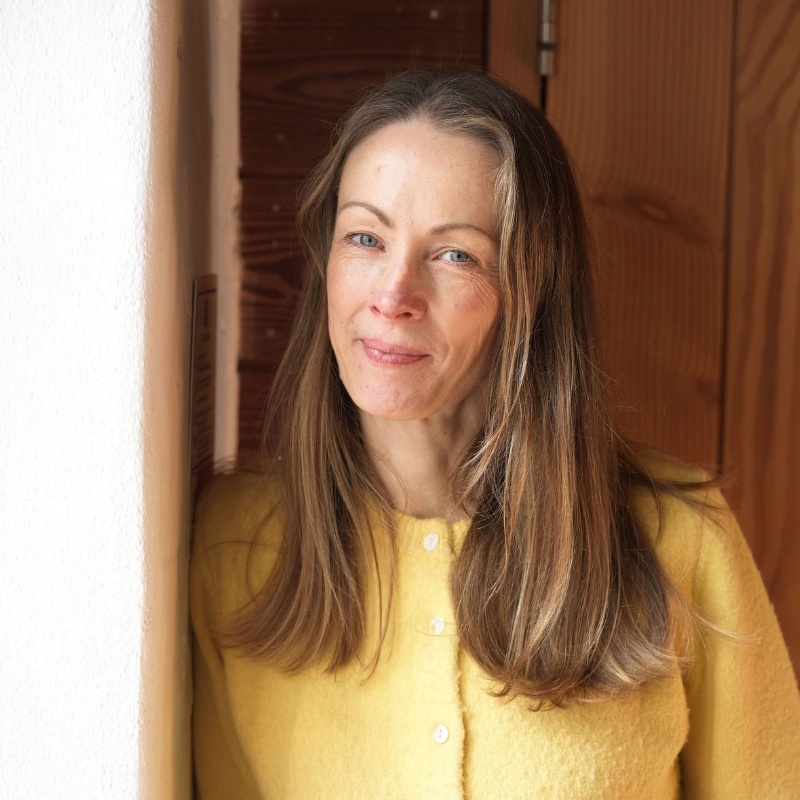
Suzie Cumming spends much of the year bringing the School’s programme together, working with more than 30 artists to create courses for the studios and online. She’s an artist herself, with a practice driven by colour, composition and a willingness to experiment with materials.
Her route into painting began with textile design and screen printing, and her work continues to draw on traditional textiles, folk art and the places she visits. Here, Suzie talks about the balance of finding time for her own work, the inspiration she finds in the artists around her, and creating a programme built around the School’s ethos.
You can find our full programme of 2027 courses here.
For anyone who sees the finished programme but not everything that happens behind the scenes, where does planning a new year begin?
Planning begins with a large A2 printed calendar and a collection of highlighters! By the end of May, once our summer courses and September Festival workshops are in place, I start looking ahead to the following year.
It’s a process that involves a great deal of thought and reflection, looking at what has worked well, where there might be opportunities to develop the programme, and what new ideas we could explore. A big part of this is working closely with both established and new tutors to develop exciting course ideas that reflect the School’s creative ethos.
From there, it’s a matter of bringing everything together, from shaping the course descriptions for the website to overseeing all the practical details involved in getting the programme ready for its September launch.
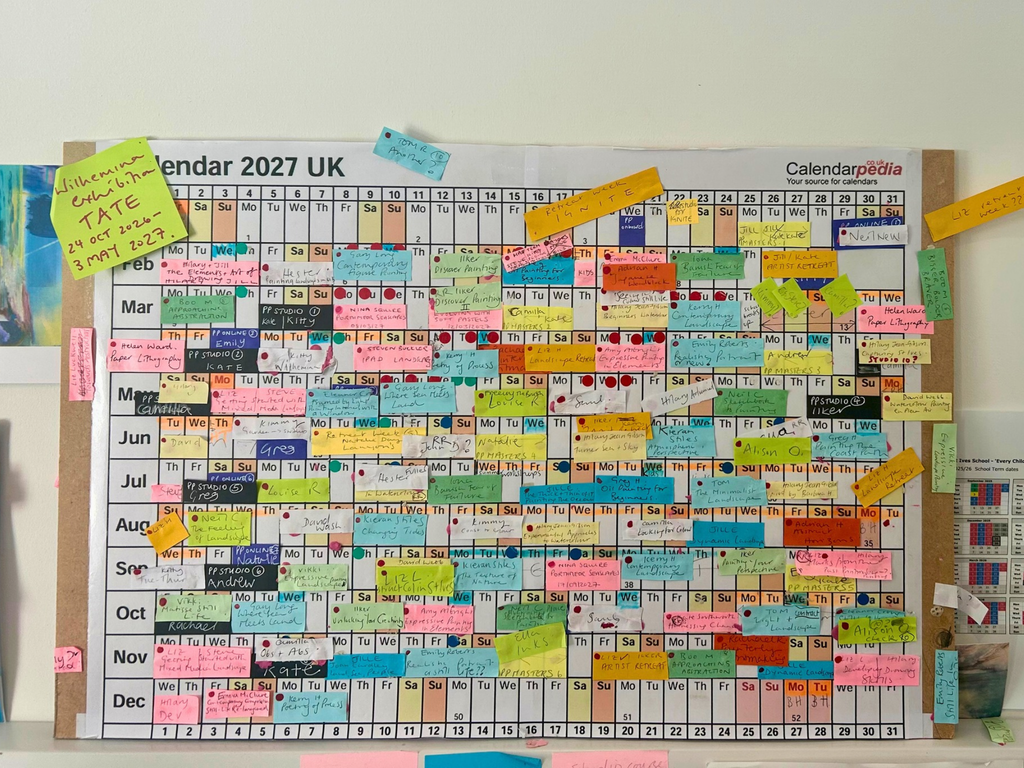
With more than 90 courses and over 30 artists to bring together, does assembling the programme feel like an enormous jigsaw puzzle? What are some of the pieces you have to consider?
Oh yes, it certainly is a huge jigsaw puzzle! One of the first considerations is tutor availability. Most of our tutors are practising artists, often balancing their teaching with exhibitions, commissions and their own creative projects, so finding dates that work for everyone can be quite a challenge.
I also think carefully about how different courses might suit particular seasons, and how to create a varied and balanced programme throughout the year. It’s important to offer a rich and varied mix of subjects and approaches, from landscape and abstract painting to exploring the figure and working en plein air, alongside our artist retreat weekends and longer, more immersive courses.
The aim is to create a programme that appeals to a wide range of artistic interests and experience levels, while encouraging students to experiment, challenge themselves and discover new directions in their work.
How do the seasons influence where courses sit within the year?
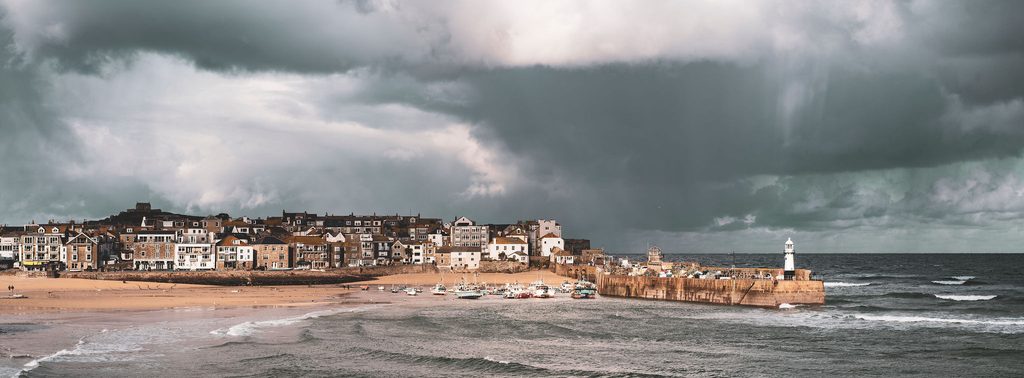
The seasons certainly play an important part in shaping the programme. Spring and summer are naturally popular times for our plein air courses, when there’s a better chance of warmer, drier weather. However, autumn and winter can be equally appealing, with a quieter atmosphere around St Ives that offers a different experience of working outdoors.
During the colder months, there’s something particularly inviting about being in the warmth of the studios, making it a lovely time for courses focused on drawing, still life or the figure. We also give careful thought to our shorter summer and September Festival art workshops, offering visitors the opportunity to experience something creative during their stay in St Ives, whether that’s experimenting with an unfamiliar medium or discovering a completely new way of working.
For me, a strong course often has a connection to St Ives, whether that’s through the landscape itself, the remarkable quality of light or the town’s rich artistic heritage.
Suzie
What tells you that an idea will make a strong course? Is there something distinctive you are looking for?
For me, a strong course often has a connection to St Ives, whether that’s through the landscape itself, the remarkable quality of light or the town’s rich artistic heritage.
I’m particularly interested in courses that draw inspiration from the influential artists who helped establish St Ives as a centre for modern art in the mid-20th century, such as Barbara Hepworth, Wilhelmina Barns-Graham, Terry Frost and Peter Lanyon, whose spirit of experimentation and willingness to challenge conventional approaches to art continue to inspire artists today.
But just as importantly, I’m always drawn to course ideas that offer something a little different, whether that’s an unexpected approach to a familiar subject or an opportunity for students to challenge themselves creatively. It’s about embracing that same spirit of experimentation and discovery, encouraging students to explore new possibilities and, ultimately, develop their own individual artistic voice.
Does being an artist help you anticipate what a student needs from a course ?
Absolutely. Having studied at three art schools and taught university students, I understand the learning experience from both sides. I know the fear of not producing something ‘good enough’ can hold people back, so it’s important to create a supportive environment where students feel able to experiment and take risks. Things don’t always have to work out perfectly; that’s part of the learning process.
Being part of a small group also gives students the chance to learn from one another, grow in confidence and form genuine connections. Some even leave with friendships that last a lifetime.
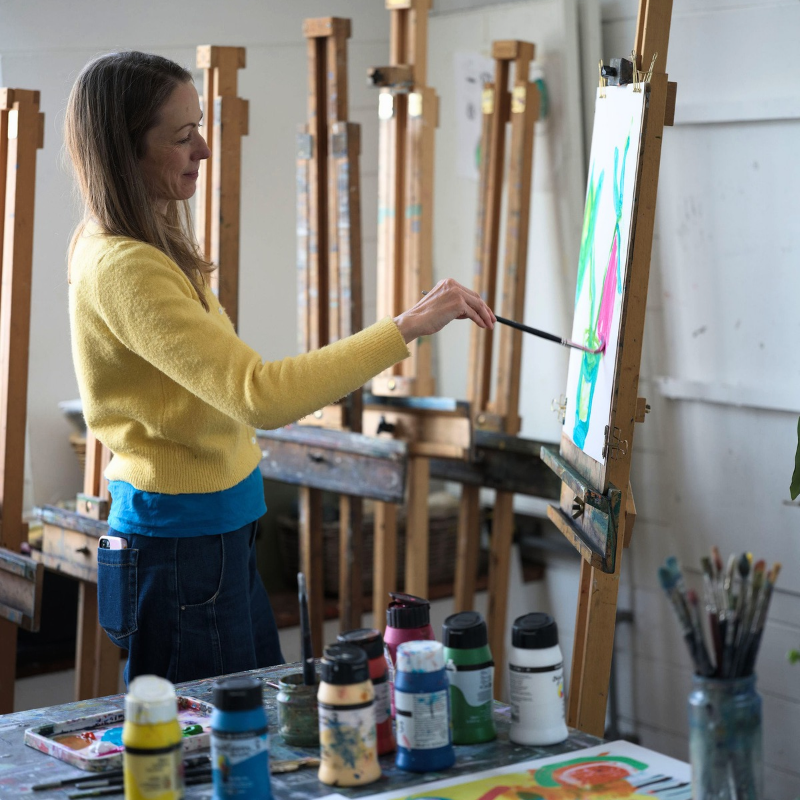
Being an accomplished artist is one thing, but being a great tutor also requires empathy, patience and a real desire to help students realise their creative potential.
Suzie
What qualities do you look for when inviting a new artist to teach at the School?
First and foremost, I look for artists who are passionate about their practice and keen to share what they know. Being accomplished is one thing; a great tutor also needs empathy and patience, and the ability to connect with students of different abilities and adapt to how they learn.
The best tutors make students feel supported while inspiring them to push their ideas and abilities further.
A good tutor needs to be able to connect with each individual, communicate ideas clearly and adapt their approach to ensure everyone feels supported and encouraged. I think there’s something particularly valuable about tutors who can inspire and challenge their students in equal measure, creating a welcoming atmosphere while encouraging everyone to push their ideas and abilities a little further.
The 2027 programme introduces several artists to the School, including Hester Berry, Saul Cathcart, Louise Rainbow and Alison Orchard. What first interested you in their work and approaches to teaching?
Each of these artists brings something different to the programme, which makes introducing new tutors so exciting. Hester Berry’s oil paintings have a light, spontaneous quality and a strong sense of landscape and place. I’m particularly drawn to the freshness and spontaneity of her work.
I’ve followed Saul Cathcart’s work for several years and have enjoyed seeing his practice develop. I’m drawn to his connection with painting directly in the landscape, and the way he brings his outdoor and studio work together. Louise Rainbow’s work has a real sense of freedom and playfulness. I love how she encourages people to experiment and have a go, making the creative process feel accessible and full of possibility.
Alison Orchard has a particularly special connection to the School. As a teenager, she attended a General Week course with her mother, studying with the late Roy Ray. It introduced her to painting outdoors, life drawing and sketching around St Ives. The Cornish landscape has continued to inspire her work, so it’s especially lovely to welcome her back as a tutor.
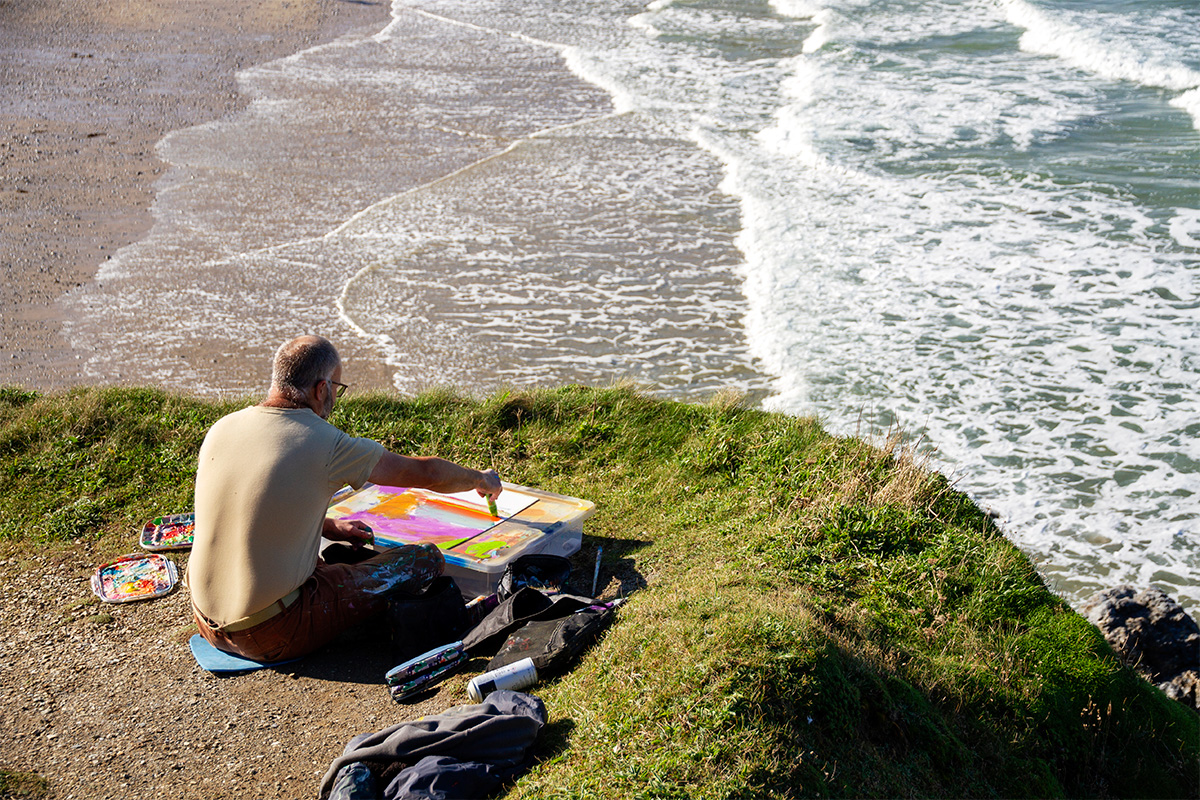
Are there any themes or ways of working that have emerged particularly strongly across the 2027 programme?
There are a couple of interesting threads running through the 2027 programme, both reflecting the School’s artistic heritage and exploring new approaches to painting. We’re fortunate to have Tate St Ives just around the corner from our studios, and with its major Wilhelmina Barns-Graham retrospective continuing into 2027, we’ll be offering further opportunities to explore her work through Kitty Hillier’s course, which takes inspiration from Barns-Graham’s wonderful approach to colour, form and abstraction.
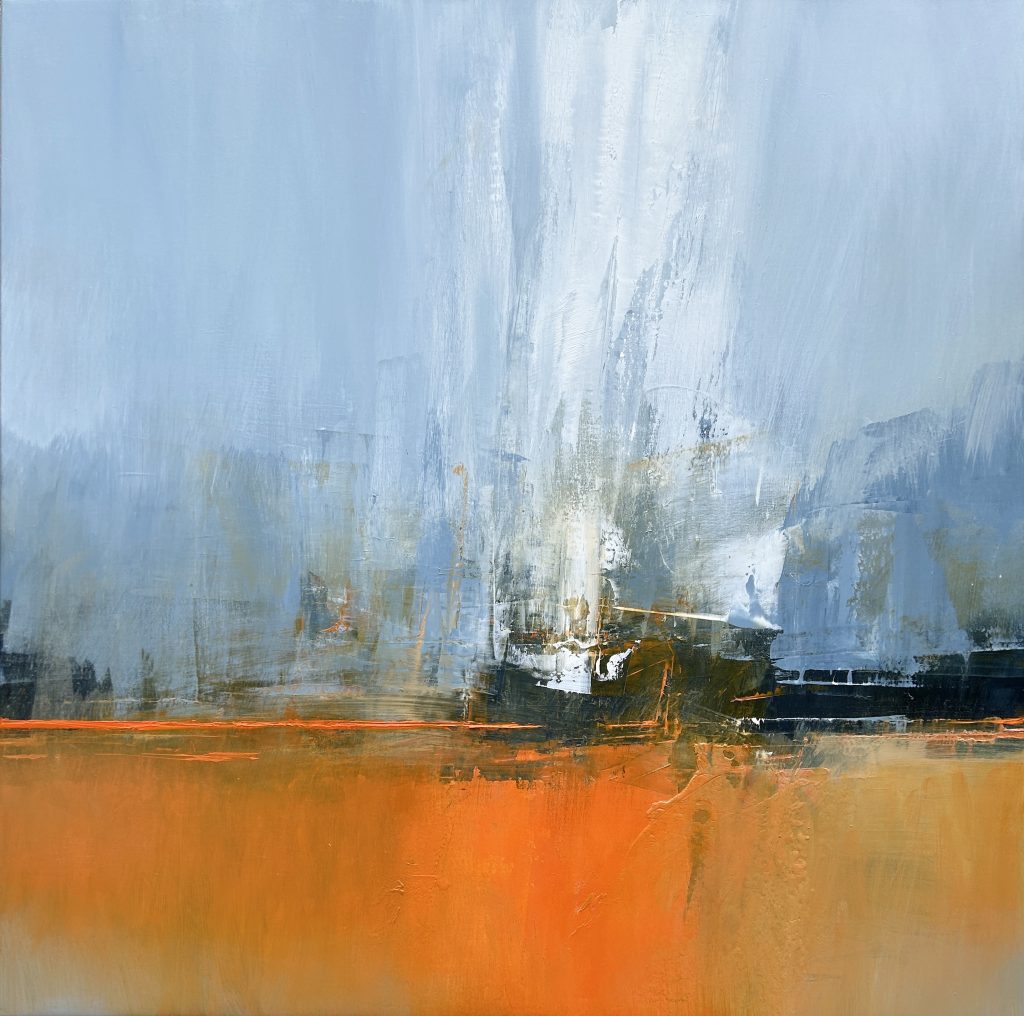
There’s also a strong focus on intuitive, expressive responses to the landscape. Saul Cathcart’s course combines painting outdoors, while Neil Canning (featured right) encourages students to capture the feeling of a place, responding to its weather, atmosphere and the emotions it evokes.
After spending so long working on the courses, what are you personally most excited to see come to life in the studios during 2027? Which would you secretly most like to join?
That’s a difficult one, as I’d secretly love to do them all! I’m particularly excited to see Louise Rainbow’s new course come to life in the studios. I’m a huge admirer of Patrick Heron’s work and love painting on a large scale myself, so I’m really looking forward to seeing how students respond to this approach and the work they create.
As for which course I’d most like to join, I think my dream would be Ignite: Creative Kickstart at the beginning of the year. Having five whole days dedicated to my own creative practice, with mentoring, inspiration from different artists and time for independent exploration, sounds like absolute heaven!
Kerry Harding’s Poetry of Process would also be high on my list, both to develop my oil painting skills and to embrace those wonderful happy accidents that can happen when you really push the creative process. I think that’s one of the joys of putting the programme together. Even after spending so much time developing the courses, I still find myself wanting to be a student on so many of them.
What’s next for programming?
With most of our 2027 studio programme now in place, my attention is turning to our online courses and developing the next series of our Online Art Club. We launched the Online Art Club in 2026 with Camilla Dixon and Iona Sanders, offering four blocks of weekly sessions throughout the year, each exploring a different subject or creative approach. The response has been fantastic, with really encouraging feedback from participants, so I’m looking forward to building on that success. We may even have a special Christmas edition in the pipeline!
We’re also working on some exciting new online courses, including a pre-recorded Getting Started with Drawing course with Hilary Jean Gibson, as well as plans for a portraiture course in 2027.
It’s an exciting time for the School, and I’m really looking forward to continuing to develop new ways for people to learn, experiment and connect through art, whether that’s here in our St Ives studios or from their own homes.
Suzie Cumming, The Artist
Can you tell us about your own artistic practice and the ideas or materials you are drawn to?
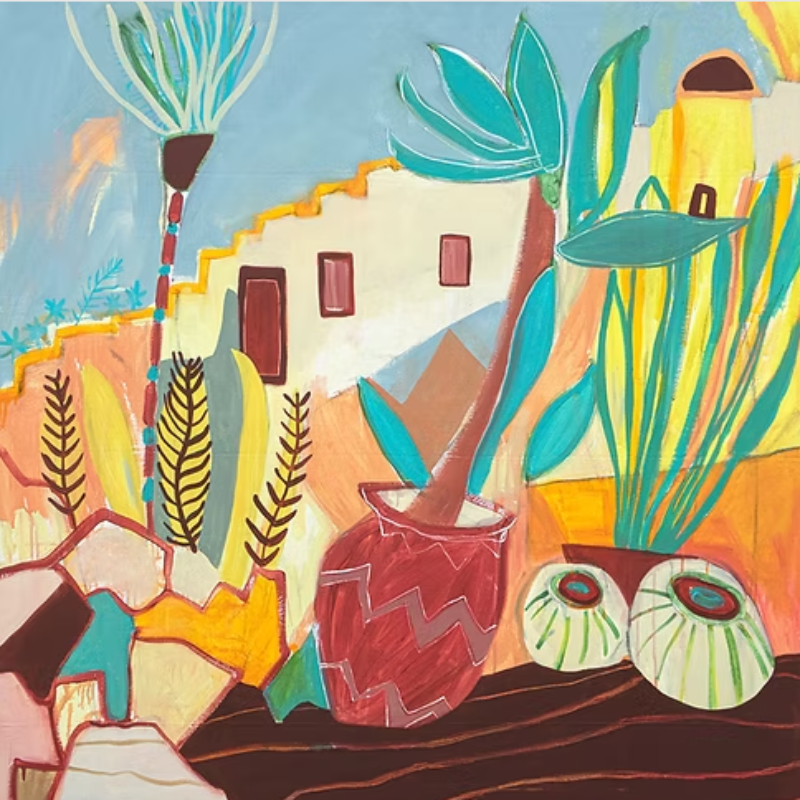
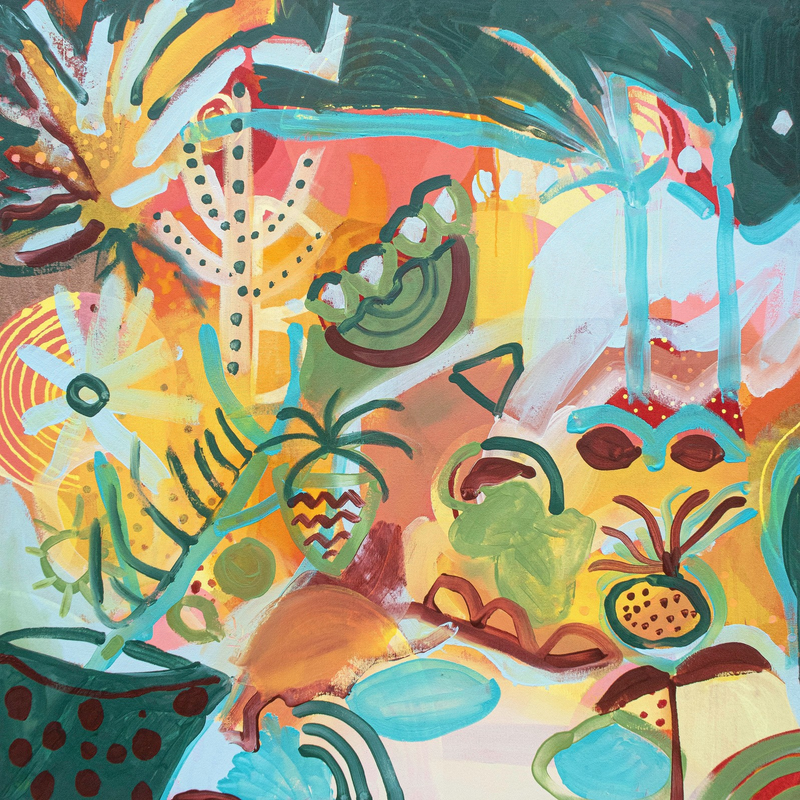
Colour drives my work. I’m fascinated by how colours interact through layers of paint, how its thickness affects them and the unexpected combinations that emerge. Composition matters just as much: my love of photography has shaped my interest in arranging shapes, colours and forms.
I’m also inspired by traditional textiles and art, especially their rich use of colour and pattern. After studying textile design, I travelled to Mexico, where the folk art, brightly coloured animal figures and intricate yarn paintings left a lasting impression. My background in screen printing has fed my love of layering, experimenting with materials and welcoming happy accidents. I move between drawing, painting and collage, choosing what best suits each piece.
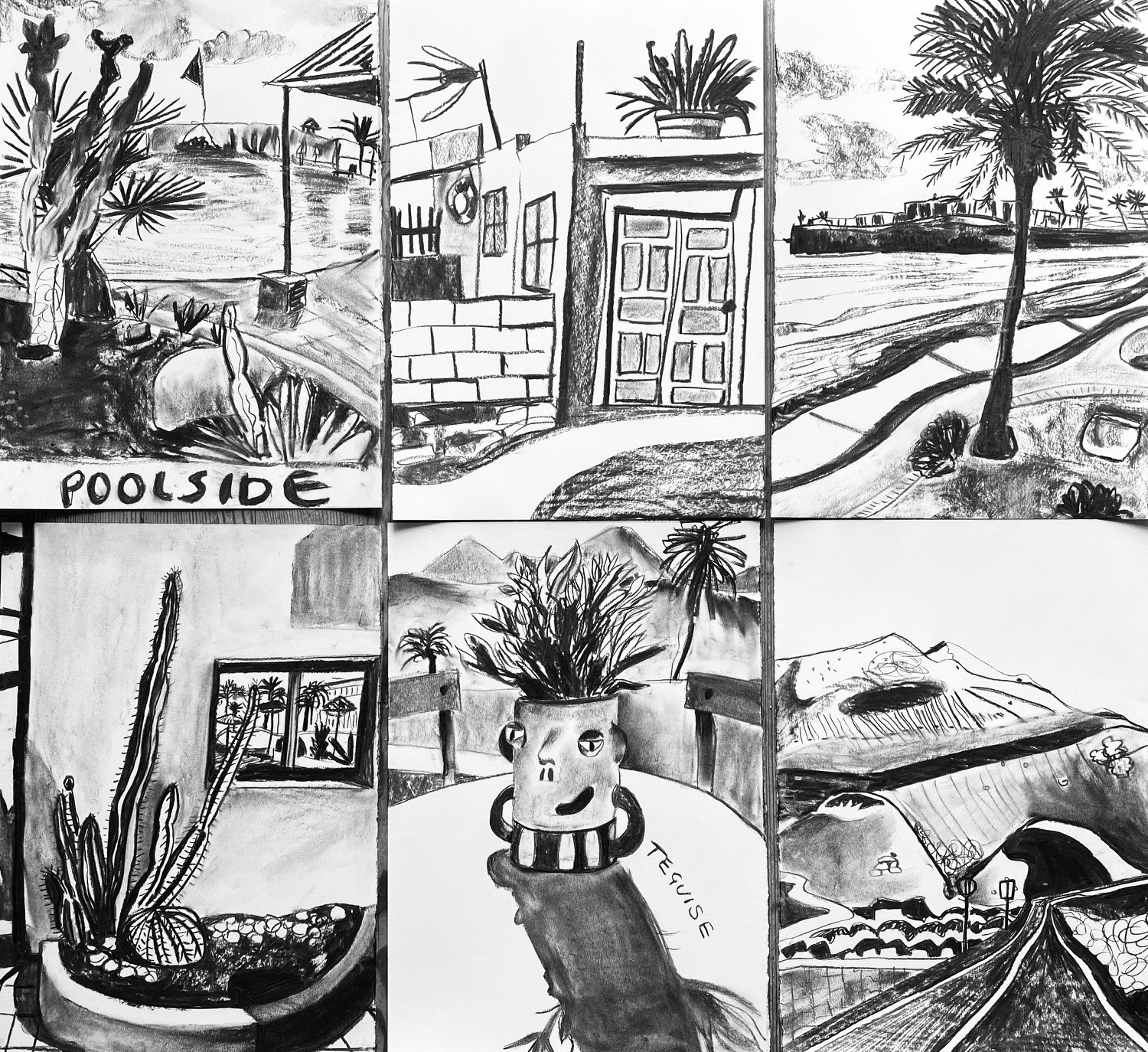
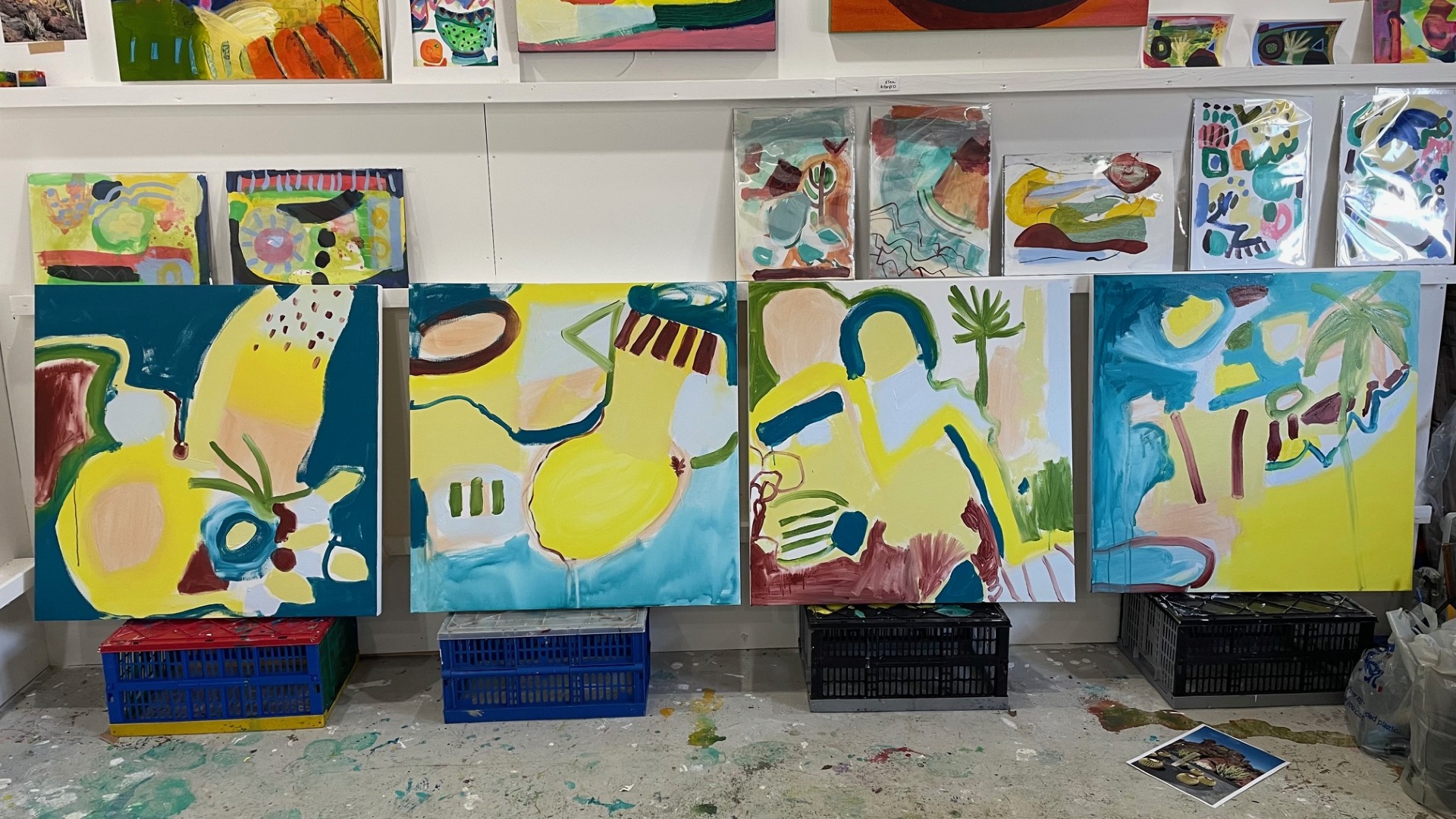
I’m developing a collection of large-scale paintings inspired by a recent visit to Lanzarote. Using expressive brushwork, acrylics and oil bars, I’m exploring its colours and atmosphere, from palm trees and the ocean to its volcanic landscape. The paintings grew from charcoal studies and small colour sketches. I see each collection as a chance to capture the essence and feeling of a subject, rather than simply reproduce what I see.
How does working so closely with more than 30 artists affect your own work?
It’s almost impossible not to feel inspired when you’re surrounded by so many talented artists. A recent example of this happened when I was given a palette of leftover oil paint from one of Jill Eisele’s courses. I’d been meaning to return to oil painting for some time, so I took the palette home to my studio and, the following week, finally picked up my brushes again. That small moment of inspiration led me to experiment with water-mixable oils and eventually develop a whole new collection of oil paintings!
There’s something quite magical about our studios. Even now, walking into the Fuller Studio, with the familiar smell of paint and artwork covering the walls, gives me that little tingle of excitement and an overwhelming urge to pick up my brushes.
I feel incredibly fortunate to work in such a stimulating creative environment, with the opportunity to learn from so many artists, whether through conversations with our tutors, seeing their teaching in action or exploring the wealth of knowledge shared through our online courses.
Quick Fire Questions
A season you most enjoy making art in?
Winter, particularly that peaceful period between Christmas and New Year, when everything seems to slow down. I love having the time and space to switch off, reflect and lose myself in painting during the long evenings. But I also love spring, with its sense of new beginnings and the opportunity to spend more time outdoors, immersed in nature and finding fresh inspiration for painting.
Studio silence or something playing in the background?
Definitely studio silence! My mind is so busy during the working week that I really value the peace and quiet of my own studio. Painting is almost like a form of meditation for me, becoming completely absorbed in mixing colours, making marks and exploring composition. It’s a chance to switch off from everything else, recharge and find a sense of calm before returning to the busyness of everyday life.
The best advice another artist has given you?
“Just do you, because nobody else can do you as well as you can!”
A course you would love to introduce one day?
There are always new ideas bubbling away! One area I’m particularly interested in exploring is the use of the iPad as a creative tool alongside more traditional drawing and painting techniques.
I think there are some really interesting possibilities for experimenting with composition, colour and mark-making digitally, and then bringing those ideas back into the studio to develop further. It’s something I’d love to explore within the programme.
You can view more of Suzie’s work over on her website, or view our full 2027 programme of art courses in Cornwall, here. Keep an eye out for new online courses coming soon.
27/10/2026
Share on
Related Stories
Remembering David Hockney: A Life of Looking
Following the passing of David Hockney, and as we approach what would have been his 89th birthday, we are taking a moment to reflect on the extraordinary legacy of one of Britain’s most influential artists. Born in Bradford in 1937, Hockney’s career spanned more than seven decades, moving through drawing, painting, printmaking, photography, stage design...

The Guardian - How I learned to paint in St Ives
In November 2024, we were joined by author and journalist, Wyl Meinmuir on our Discover Painting course led by Ilker Cinarel. From a novice painter’s perspective, he followed the course with a write up for readers of The Guardian, you can read more below! Written by Wyl Meinmuir A novice painter finds the artistic heritage...
The Sunday Times: The Art of Learning
As seen in… Is it a bird, is it a plane? Our budding Rothko, Sean Newsom, signs up for an abstract art class in St Ives. Can I remind you that this jumble of fisherman cottages and harbour walls was also – for a time – the forcing house of British abstract art? – When...