The Rise of Gelli Printing: Why This Playful Printmaking Technique Is Everywhere
In recent years, Gelli Printing has surged in popularity across the creative world. From professional artists and illustrators to hobbyists, teachers, and journalers, more people than ever are discovering the joy of this accessible and experimental form of printmaking.
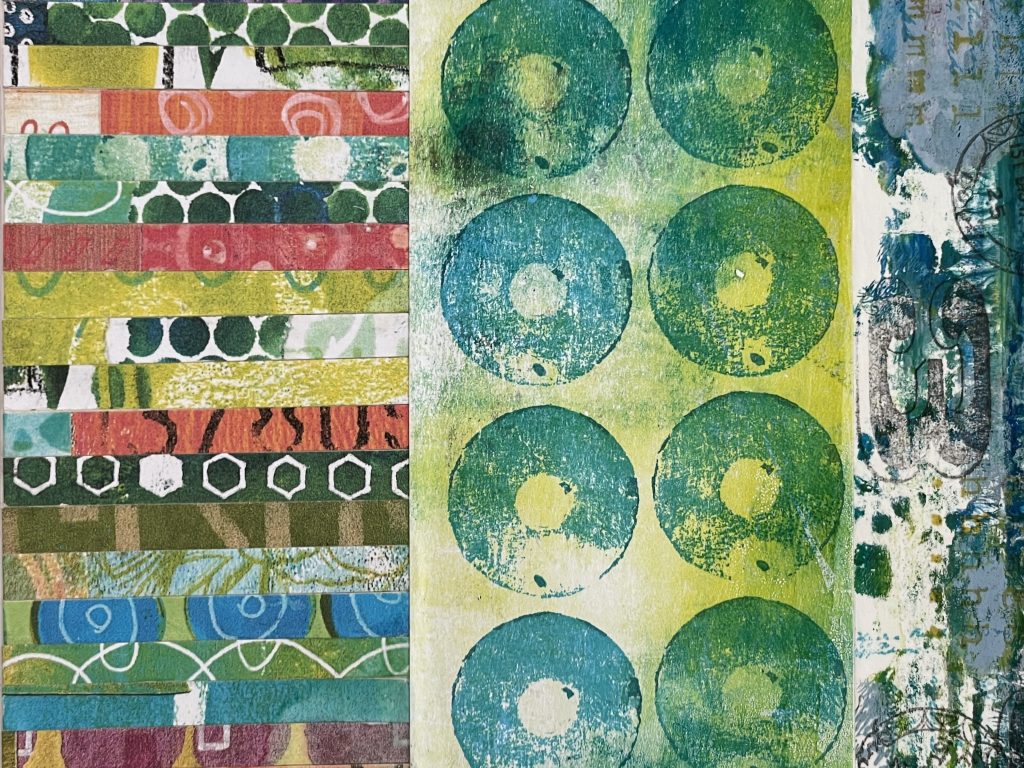
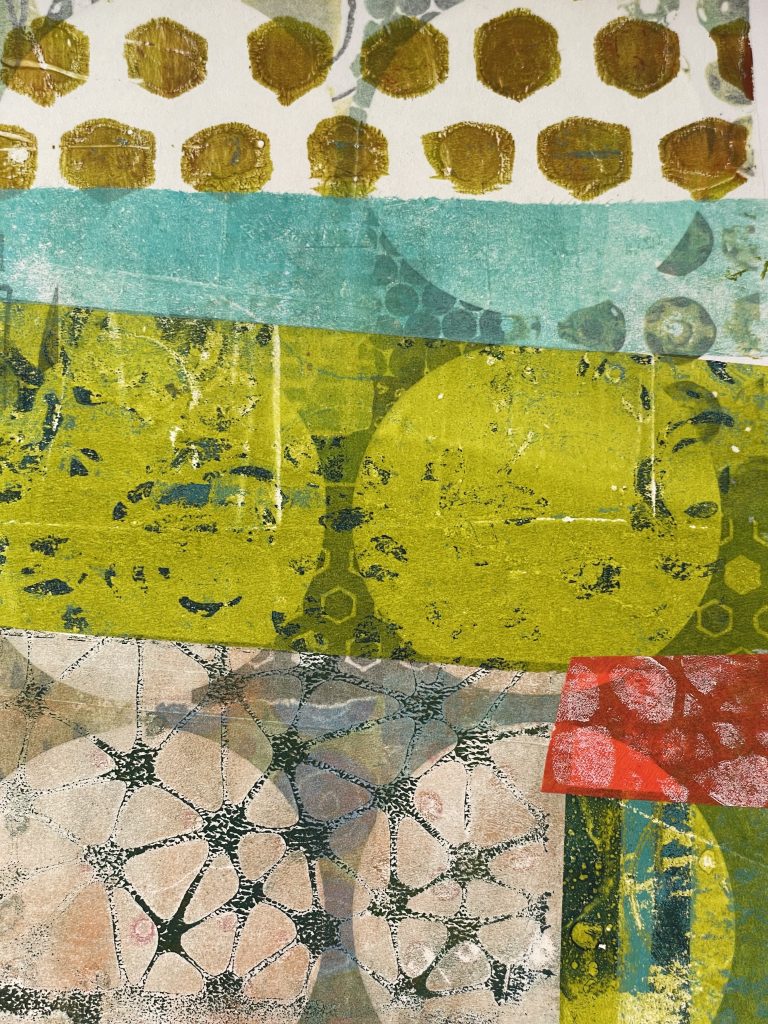
Scroll through social media or wander into a modern art studio, and chances are you’ll spot colourful layers, botanical textures, and expressive marks that all point to one thing: Gelli Printing.
So what exactly is Gelli Printing, and why has it captured the imagination of so many creatives?
What is Gelli Printing?
Gelli printing is a form of monoprinting that uses a soft, flexible gelatin-style printing plate, most commonly made from synthetic materials rather than traditional gelatin. Artists apply acrylic paint or ink to the plate, create textures using tools or found objects, and then press paper onto the surface to transfer the image. The result is a one-of-a-kind print every time.
Unlike traditional printmaking methods such as etching or screen printing, gelli printing requires no press, no chemicals, and very little setup. This simplicity makes it approachable for beginners while still offering depth for more experienced artists.
Why it has become so popular
One of the biggest reasons for gelli printing’s rise is accessibility. The materials are relatively inexpensive, easy to store, and safe to use at home. A basic setup can include a gelli plate, acrylic paint, paper, and everyday household items like bubble wrap, leaves, stencils, or cardboard.
Another major factor is the element of surprise. Gelli printing embraces imperfection and experimentation. You never fully know how a print will turn out, and that unpredictability is part of the magic. In a world that often values polished, it’s a refreshing return to hands-on creativity and happy accidents.
Social media has also played a significant role. Short videos and time-lapse clips of layered prints peeling off the plate are visually satisfying and endlessly shareable. Platforms like Instagram, TikTok, and YouTube have helped gelli printing reach a global audience, inspiring people to try it for themselves.
Many artists are drawn to gelli printing for its meditative qualities, like many art forms. The process encourages play, curiosity, and letting go of expectations. There is no “wrong” way to gelli print, which makes it especially appealing for those looking to reconnect with creativity without pressure.
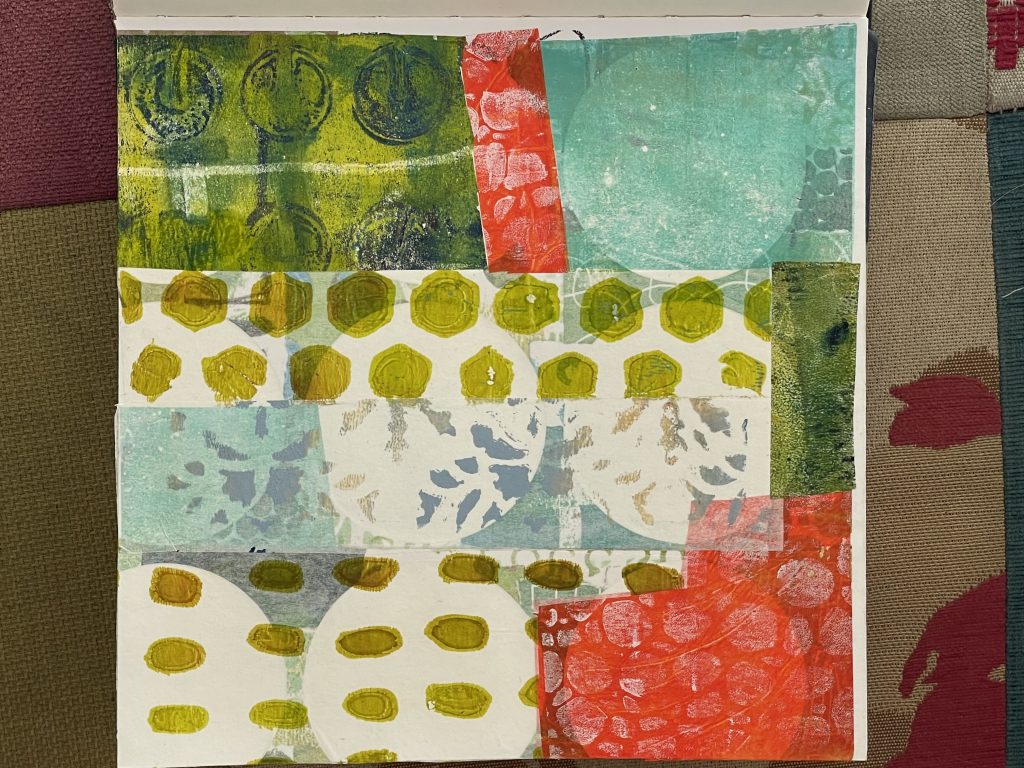
It’s also incredibly versatile. Gelli prints can stand alone as finished artworks or be used as backgrounds for collage, mixed media pieces, art journals, handmade books, and even textile design. This flexibility allows artists to incorporate gelli printing into almost any creative practice.
Why the art form is here to stay
Gelli printing’s rise is not just a trend; it reflects a broader desire for joyful and process-driven creativity. In an increasingly digital world, the appeal of rolling paint, pressing paper, and revealing a one-of-a-kind print feels deeply satisfying.
Whether you’re an experienced artist or someone picking up paint for the first time, gelli printing offers an open invitation to explore, experiment, and play. And as long as people continue to seek creative freedom and hands-on expression, gelli printing is likely to remain a much loved and growing art form.
Want to try it out? Learn Gelli Printing at St Ives School of Painting
Our upcoming 2-day workshop with artist Lesley Plumridge starts by creating a rich collection of collage papers using a variety of playful techniques, including Gelli printing, painted papers, simple printing with everyday objects and stamps, collage, stencils and stitch. These papers will form the visual foundation of the work and will be brought together to design bold, individual book covers.
On the second day, explore a range of book forms and concepts, including pages, signatures, and different binding approaches. With guided demonstrations, select and organise your papers, assemble pages, and bind them together using stitch, before finishing your very own unique book with the covers created on the first day.
21/1/2026
Share on
Related Stories
In Conversation: Ella Carty
We’re pleased to welcome artist Ella Carty to our team of artist tutors for 2026! We managed to catch her during a packed schedule, so we took the chance to sit down and learn more about her practice and the way she works. Ella Carty is a painter who investigates her own experiences of the...

The Salt Path film in cinemas now
Discover The Salt Path, a poignant adaptation of Raynor Winn’s bestselling memoir. The film chronicles the transformative 630-mile trek along the South West Coast Path undertaken by Raynor and her husband, Moth, after losing their home and grappling with a terminal illness diagnosis. Directed by acclaimed theatre director Marianne Elliott and scripted by Rebecca Lenkiewicz,...
In conversation with Porthmeor Programme Alumnus, Gwynne Penny
We caught up with Porthmeor Programme alumnus Sue Watt to get an insight into life before, during and after the programme. Sue lets us in on her daily routine, her artistic inspiration and her upcoming show (at the time) at Penwith Gallery.