St Ives September Festival: What to See & Do
Every September, the town of St Ives comes alive with a vibrant celebration of art, music and culture. Now in its fifteen-day run (Saturday 12th to Saturday 26th September 2026), the St Ives September Festival offers an inspiring mixture of exhibitions, performances, workshops, theatre, walks, comedy, poetry, films and more.
If you’re thinking of attending, here are some of the top things to see and do – plus insider tips to help you soak up everything this festival has to offer.
Don’t forget, we offer short workshops throughout the festival, every weekday: 09.30 – 12.30 and 13.30-16.30. Find out what’s coming up below!
Top Things to See & Do
Headline Shows & Live Music
Not The Beatles, St Ia Church
Bryhers Boys, St ia Church
Joanna Cooke & her Band, Arts Club
True Foxes, St Ia Church
Jude Johnson, Art Club
These are ticketed events, so booking ahead is strongly recommended. Find out more about the music here and headline acts taking place during St Ives September Festival 2026.
Open Studios & Art Exhibitions
One of the festival’s greatest charms is its Open Studios trail, where local artists throw open their workshops so you can see see their work and the space they use to create.
Galleries throughout St Ives – including Penwith Gallery, Leach Pottery, Tate St Ives and many smaller ones – host free or low-cost exhibitions. Great chance to explore the huge variety of art that St Ives has to offer.
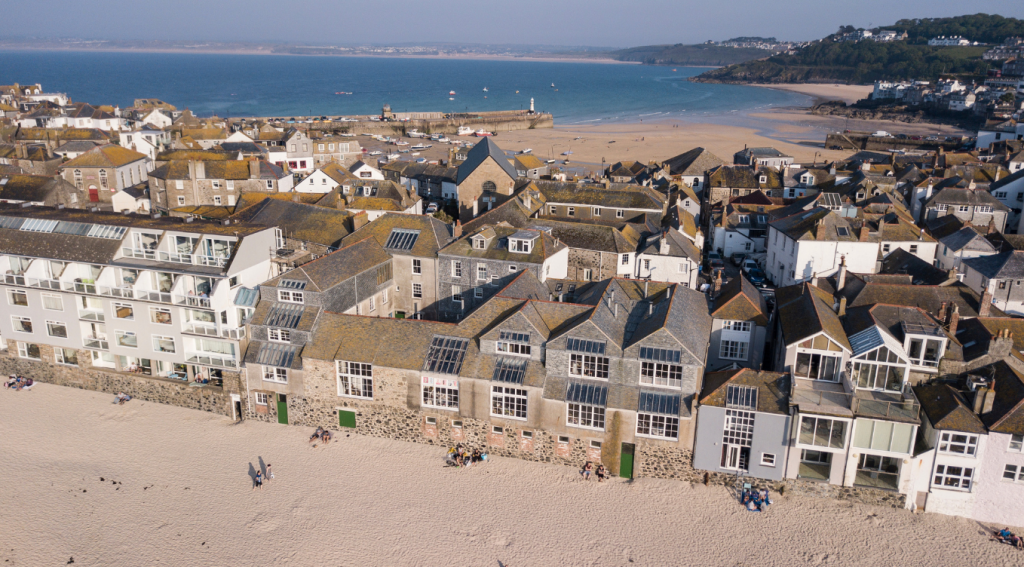
Creative Workshops at St Ives School of Painting
Try drawing, painting, printmaking workshops at St Ives School of Painting – whether you’re a beginner or more practiced, we welcome all levels of abilities.
Our programme of half-day workshops, which take place every morning and afternoon during the festival, are filling up fast. Don’t miss you chance to join us in the historic Porthmeor Studios.
Street Entertainment & Atmosphere
The festival includes a whole host of street entertainment including marching bands, performances in the open air. Great for wandering, getting surprised, and absorbing the local atmosphere. Buskers, small pop-ups, impromptu performances across venues add to the festival’s charm.
Tips for Getting the Most Out of the Festival
Book in advance for ticketed shows: Popular performances often sell out early.
Plan your days with variety: mix events (e.g. a workshop or talk in the morning, an exhibition in the afternoon, live music or theatre in the evening).
Check times & venues carefully: Multiple venues across town and open studios have varying opening hours.
Allow time to explore the town: Beaches, cafés, galleries outside the festival programme. The environment is part of the experience.
Be flexible with weather: Outdoor events/street entertainment may be affected. Having a backup plan (indoors, theatres, galleries) is wise.
Stay close or centrally: It reduces time lost in travel between events/venues, and lets you soak up the festival atmosphere.
And most importantly… enjoy!
23/4/2026
Share on
Related Stories
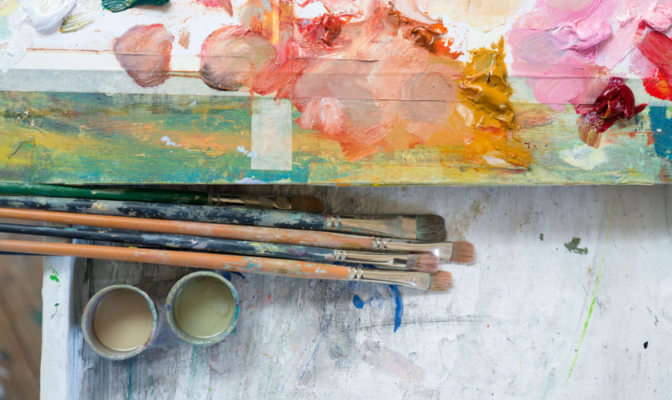
How to Choose the Right Online Oil Painting Course for You
With the rise of online learning, we now have access to a wealth of oil painting courses at our fingertips. Whether you’re a complete beginner or looking to refine your skills, choosing the right course can make all the difference. But with so many options available, how do you know which is best suited for...
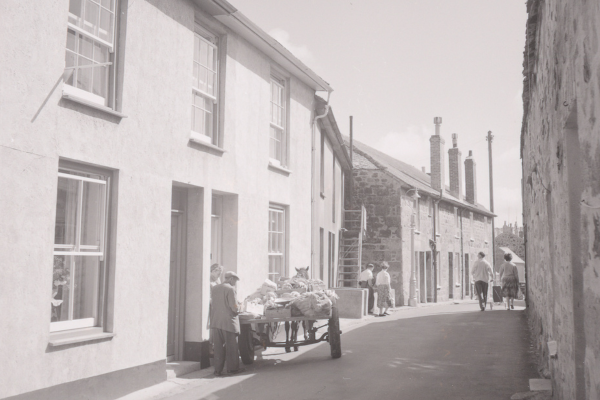
'Images of Downlong - 1880s-to the present day'
We are pleased to share an exclusive talk and Q&A with Janet Axten and a panel of local artists, including Hilary Jean Gibson, artist tutor at St Ives School of Painting, as they discuss why comparatively few artists have chosen to paint Downlong, one of the most historic parts of St Ives. ‘Images of Downlong...
Your Monthly Roundup: November
A monthly round up of the latest news, insights and events. Sign up to our newsletter to receive this update straight to your inbox!