Wilhelmina Barns-Graham Life and Legacy
This autumn, a major retrospective at Tate St Ives will bring together more than 170 paintings, drawings, prints and rarely seen archival materials by Wilhelmina Barns-Graham. Spanning eight decades, the exhibition offers an opportunity to look again at an artist whose work was continually evolving – moving between landscape, geometry, colour and abstraction with remarkable curiosity.
Barns-Graham was an important figure in British modernism and the artistic community that developed in St Ives during the mid-20th century. But her relevance extends beyond that moment in art history. Her close attention to the natural world and willingness to experiment and develop her visual language continues to offer something valuable to artists today.
The Artist’s Life and Legacy
Wilhelmina Barns-Graham, known as Willie, was born in St Andrews, Fife on 8 June 1912, the eldest child of Allan Barns-Graham and his wife Wilhelmina Meldrum.
Willie showed very early signs of creative ability which could safely be dismissed by her parents as mere diversions of childhood. But the sensations of artistry were too deeply imprinted to go away. (Douglas Hall, WBG Trust, The Artist.)
By the time she was a senior pupil at St Hilda’s School in Edinburgh, Willie had her heart set on becoming an artist, and with support of an aunt, she was eventually able to attend the Edinburgh College of Art.
After Willie graduated in 1937, she relocated to St Ives, where so many of the advanced talents in Britain had gathered. She took out a studio at the then ‘School of St Ives’ in Porthmeor Studios where she worked until her death.
Throughout her early years in St Ives, Barns-Graham was introduced to leaders of the modern artists, such as Ben Nicholson, Barbara Hepworth and Naum Gabo, and after the end of the war a new wave of painters known as the St Ives School formed, including Peter Lanyon, Terry Frost, Bryan Wynter and Roger Hilton. The St Ives scene became competitive at this time but after Barns-Graham met her husband, poet David Lewis in 1949 (married until 1963), the following ten years saw the development of Barns-Graham’s as a modern painter.
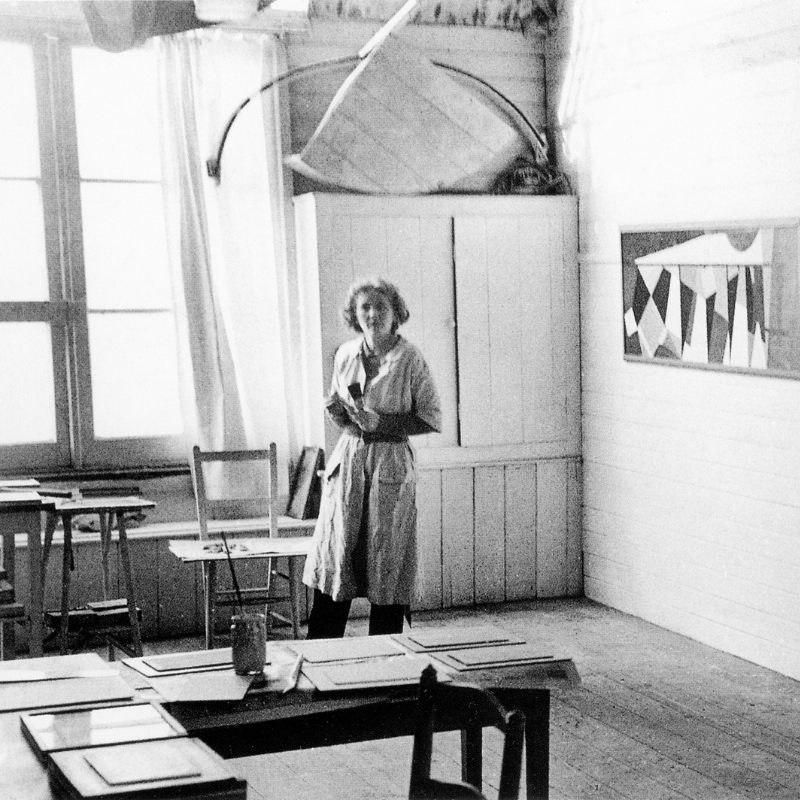
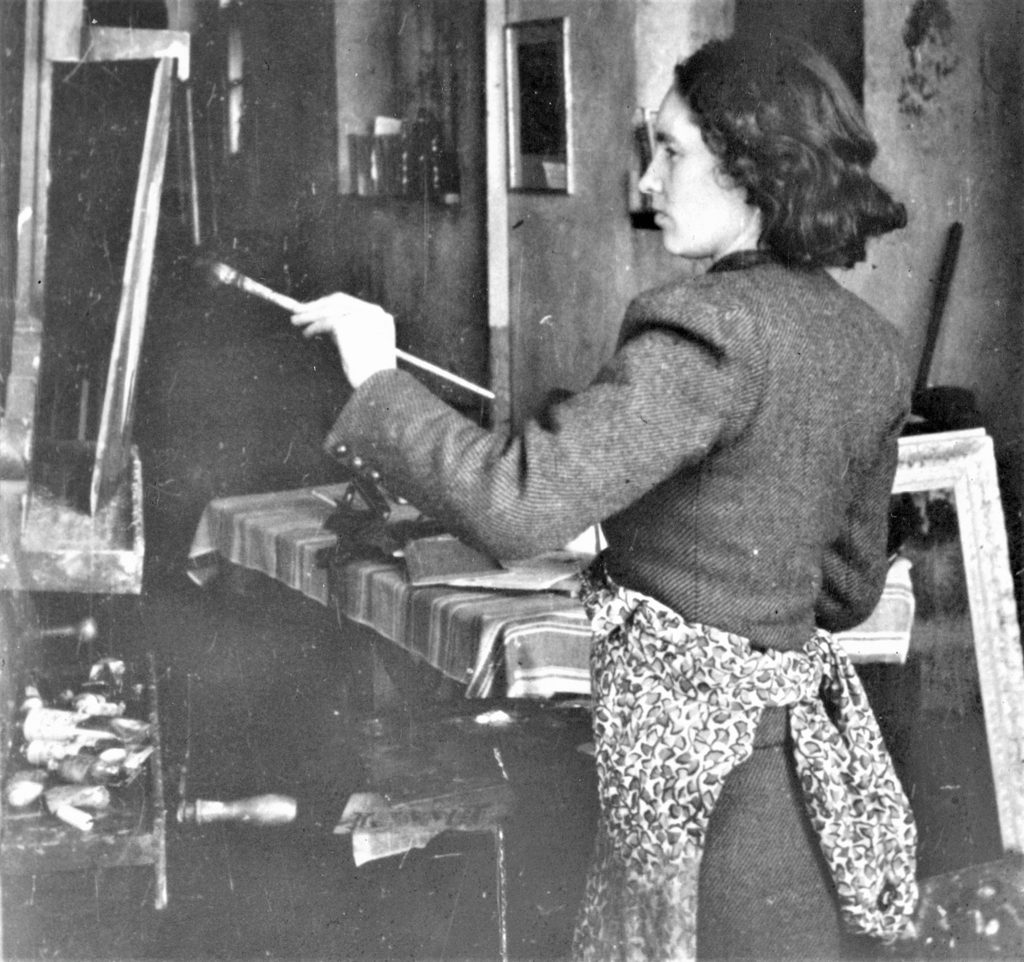
Throughout the 1960s and 1970s, Willie continued her career and life, dividing her time between St Ives and St Andrews. Her work did not falter but it changed direction, now employing hard-edged geometric and linear forms. Her capacity to make them serve the purpose of expression was unique. Never static, her forms are always in motion across the surface. (Douglas Hall, WBG Trust, The Artist.)
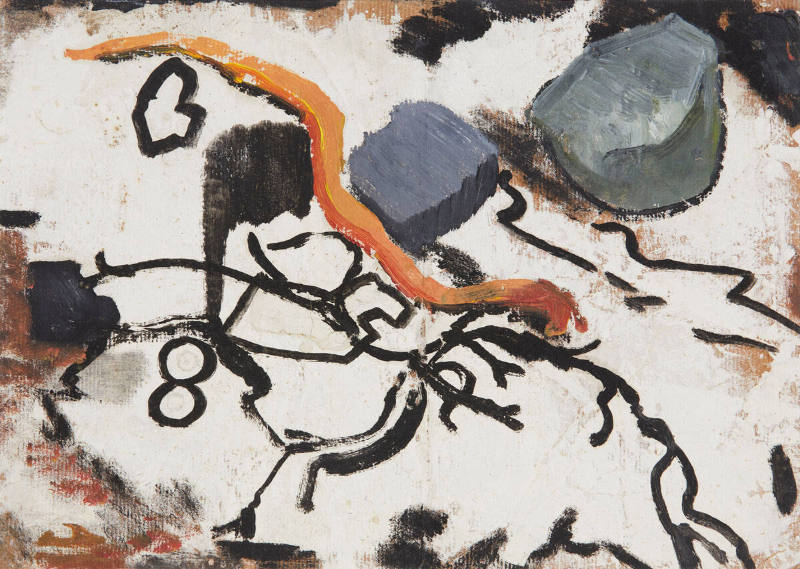
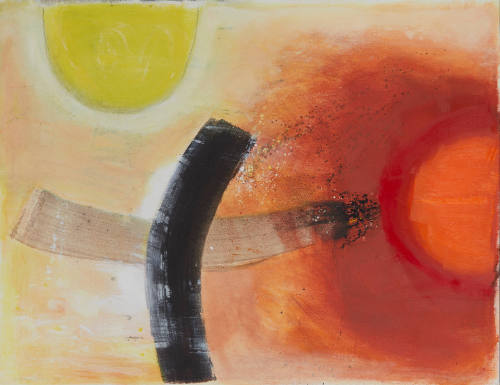
During her final years, from the late 1980s to her death in 2004, Willie created some of her most triumphant and beautiful work, spanning line, colour, shape and calligraphic brushwork, showing the talent of a vastly experienced painter. She also added screen prints which introduced her vibrant work to a new market.
Wilhelmina Barns-Graham died on 26 January 2004, and she was made CBE in 2001.
Wilhelmina Barns-Graham at Tate St Ives
Opening at Tate St Ives on 24 October 2026, this major retrospective brings together more than 170 paintings, drawings, prints and rarely seen archival material by Barns-Graham. Spanning eight decades, the exhibition follows the development of her work from her student years at Edinburgh College of Art and her arrival in St Ives in 1940 through to the bold, energetic abstractions of her later career.
The exhibition explores how landscape and close observation remained central to Barns-Graham’s practice, even as her work became increasingly abstract. From the rocks and coastline of Cornwall to the glaciers of Switzerland and the landscape surrounding her home in Fife, she transformed the places she encountered into distinctive arrangements of line, shape, rhythm and colour. It offers a timely opportunity to see the full breadth of her practice and reconsider her place as one of the most inventive figures in British modernism.
Her Legacy
The Wilhelmina Barns-Graham Trust was established by Barns-Graham in 1987. The trust aims to foster, protect and promote the reputation of Barns-Graham as well as supporting and inspiring art and art history students through the provision of bursaries and scholarships.
By her Will, Barns-Graham set up a charitable trust for the better preservation of her artistic legacy, and to provide bursaries for art students such as she herself received in her youth.
The Trust exists to enhance the reputation and understanding of Wilhelmina Barns-Graham as one of Britain’s most significant 20th century artists, and through her legacy support young people and other individuals to fulfil their potential in the visual arts.
Now, thanks to funds from The Trust as well as the Roy Ray Legacy Fund, St Ives School of Painting has established an Emerging Artists Bursary for up and coming Cornish artists aged 19-25.
Find out more about the Bursary and how the trust is continuing to bring through some of the most exciting talent in Cornwall via the link below.
21/8/2026
Share on
Related Stories
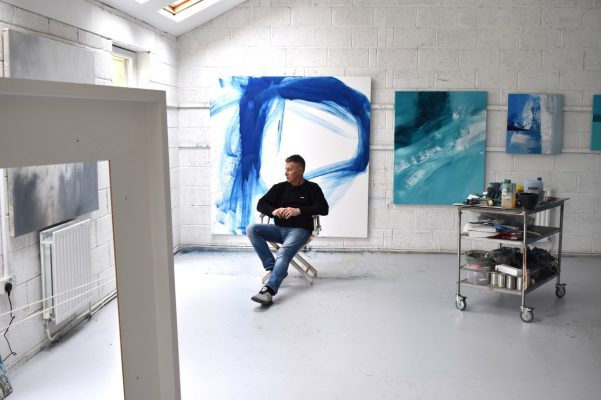
In Conversation: Neil Canning
We’re pleased to welcome artist Neil Canning to our team of artist tutors for 2026! We caught up with Neil ahead of his first studio course taking place in June. Although on the surface Neil’s work may appear to be quite abstract, it remains very much a part of the landscape/seascape tradition. Rather than taking...
Your Monthly Roundup: December
A monthly round up of the latest news, insights and events. Sign up to our newsletter to receive this update straight to your inbox!
Restaurants & Beaches
With its rocky outcrops and golden crescents, St Ives’ peninsula is awash with beach options that rival any in the world, with world class surfing, powdery white sands, crystal water. Plus: some of the finest restaurants and cafés in Cornwall are just a stone’s throw away. Eating in St Ives Nestled in the town’s historic...