Peter Lanyon: Flight, Landscape, and the Spirit of St Ives
Few British artists are as inseparable from place as Peter Lanyon. His art is not just inspired by Cornwall – it moves through it, shaped by wind, cliffs, sea, and lived experience. Nowhere is this connection more felt than in St Ives, the artistic community that became both his home and the centre of his creative development.
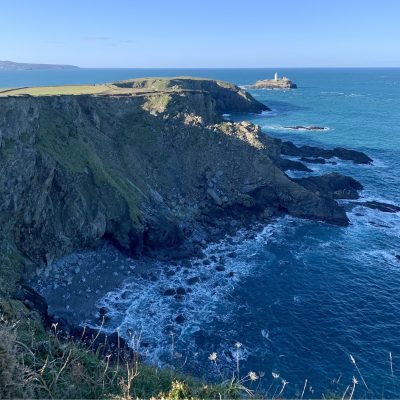
For Lanyon, Cornwall was never a backdrop. Raised here, he absorbed Cornwall’s mining heritage, rugged coastline, and volatile weather from an early age. These elements later re-emerged in his work not as literal depictions but as abstracted forces: tension, movement, weight, and space.
Lanyon rejected the idea of painting landscape as something seen from a distance. Instead, he wanted to convey the experience of being within it – walking across the land, feeling the pull of gravity on a cliff edge, or sensing the turbulence of wind off the Atlantic.
St Ives’ Artistic Community
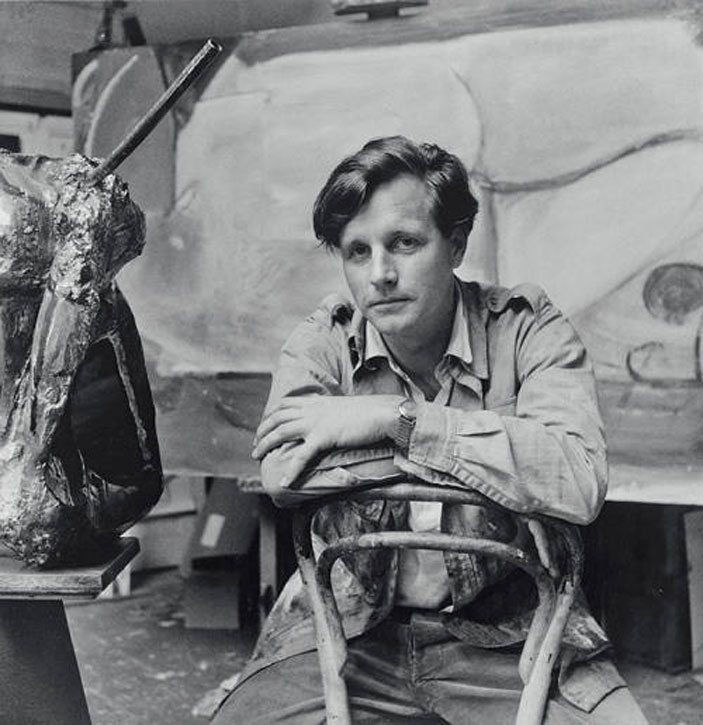
1954, photograph by Gilbert Adams (1906–1996)
In the mid-20th century, St Ives became one of the most important centres of modern art in Britain. Lanyon was a central figure in what became known as the St Ives School, alongside artists such as Ben Nicholson and Barbara Hepworth.
Unlike Nicholson’s purist abstraction or Hepworth’s sculptural clarity, Lanyon’s work remained deeply entangled with the physical world. St Ives offered him both intellectual exchange and direct access to the dramatic Cornish environment – an ideal setting for an artist determined to merge abstraction with lived experience.
In the mid-20th century, St Ives became one of the most important centres of modern art in Britain. Lanyon was a central figure in what became known as the St Ives School, alongside artists such as Ben Nicholson and Barbara Hepworth.
Unlike Nicholson’s purist abstraction or Hepworth’s sculptural clarity, Lanyon’s work remained deeply entangled with the physical world. St Ives offered him both intellectual exchange and direct access to the dramatic Cornish environment – an ideal setting for an artist determined to merge abstraction with lived experience.
The landscape is not a background; it is something you are in.
Peter Lanyon
From Painting to Taking Flight
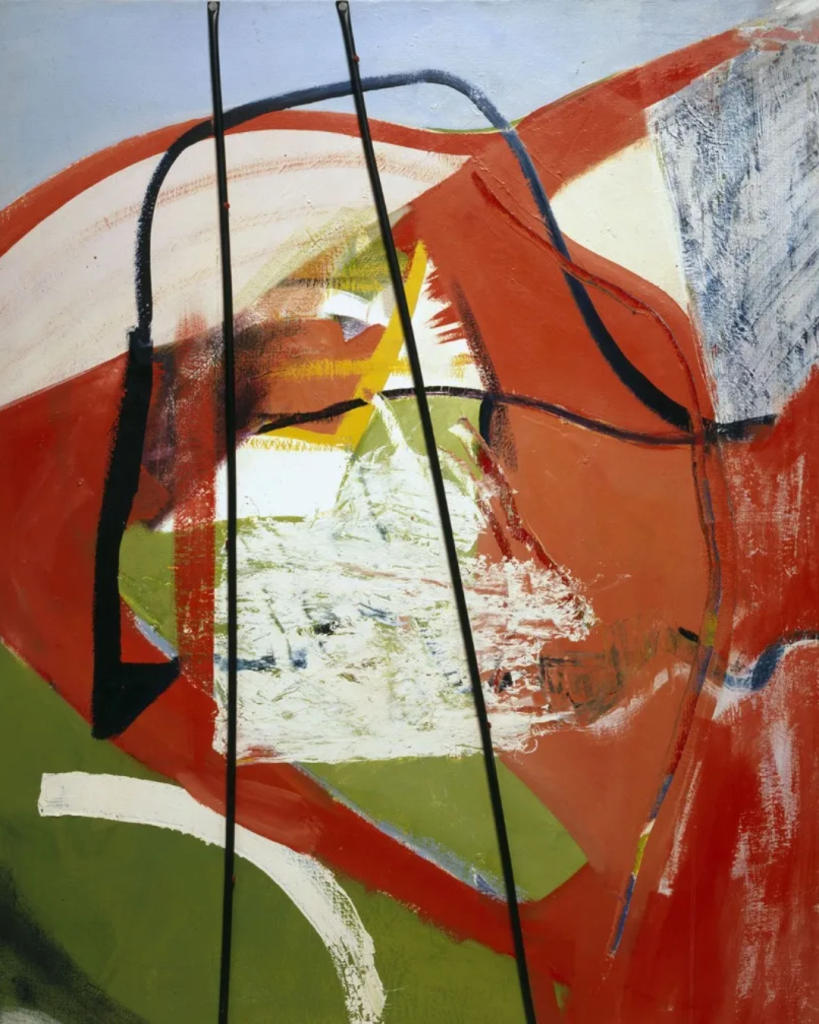
Lanyon’s canvases are often large, dynamic, and energetic. Lines sweep, collide, and hover; colours feel weathered, earthy, and airborne at once. His titles – often referencing specific Cornish places or mines – anchor the abstraction back to the land.
Famously, Lanyon extended his engagement with landscape beyond painting. He took up gliding in the late 1950s, believing that flight would allow him to better understand space, movement, and the forces shaping the land. This aerial perspective influenced his compositions, which began to feel suspended and expansive.
Although Lanyon’s life was cut tragically short in 1964, his influence lives on. He remains one of the most compelling examples of how modern abstraction can be grounded in geography and experience. His work captures Cornwall not as a picturesque destination, but as a living system of pressures and rhythms.
Today, to look at a Peter Lanyon painting is to feel something of St Ives itself – the wind off the headland, the pull of the sea, the sense of standing within a vast, shifting space. His art reminds us that landscape is not just something we look at, but something we inhabit.
Our upcoming course, Abstract Landscapes inspired by Lanyon explores these themes further – looking at how a sense of place, movement, and sensation can merge to form a deeply personal visual language. Guided by artist Natalie Day, you will develop the confidence to take risks and learn to ‘read’ the landscape so that you can work more intuitively, only abstracting what you need. Find out more here.
2/2/2026
Share on
Related Stories
St Ives Food & Drink Festival
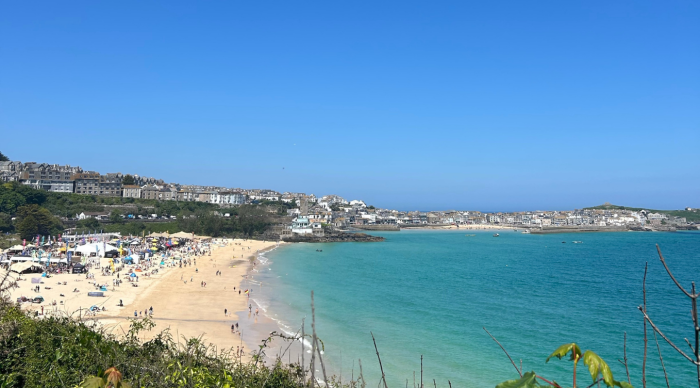
Join us at this year’s St Ives Food & Drink Festival where you can try join us in the community tent, enter our prize draw and ‘make your mark’! Taking place on the stunning Porthminster Beach on Friday 15th – Sunday 17th May, the festival will host a line-up of culinary talent, artisan markets, craft...
Ithell Colquhoun: The Alchemist of Surrealism
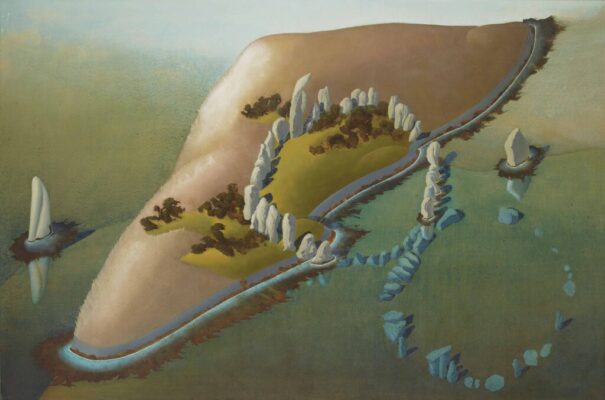
Ithell Colquhoun (1906–1988) was a visionary artist who stood between surrealism and mysticism. Known for her profound exploration of the unconscious and her dedication to esoteric studies, Colquhoun’s legacy is enigmatic and fascinating. Colquhoun’s Foundations Born in India to British parents, Colquhoun’s early life was shaped by exposure to diverse cultures. Moving to England, she...
Where to go in West Cornwall | Tourist Guide
West Cornwall offers a unique blend of art, culture, and coastal adventures – making it one of the most inspiring places to visit in the UK. From rich artistic heritage to stunning beaches and vibrant events, there’s always something for everyone to enjoy. Whether you’re joining us for a workshop or looking for ideas to keep a partner or...