How to Get Back Into Making Art
January doesn’t need to be about becoming a new creative.
For many, this time of year is quieter, slower, and a little disorienting. You might feel creatively flat after the Christmas break – or you might be standing at the beginning, unsure where to start. This guide isn’t about fixing yourself or setting ambitious resolutions. It’s about creating the the space for creativity to return – gradually, practically, and in ways that suit where you are right now.
1) Preparation & Organisation
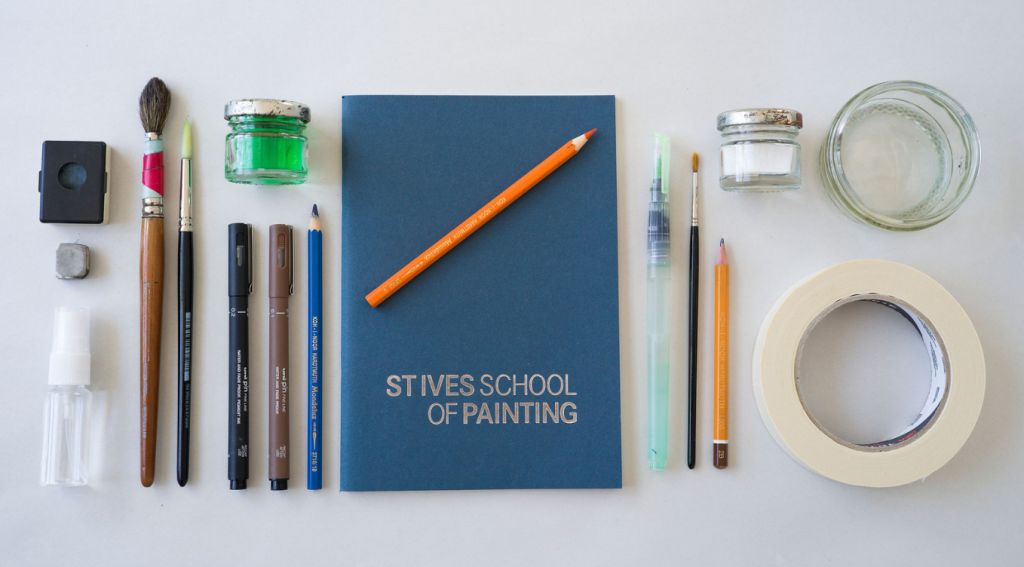
This isn’t about buying new equipment or overhauling your setup – it’s about getting organised so creativity feels easier to access when you’re ready.
You might consider:
- Revisiting and organising the tools you already own
- Clearing out unusable tools or materials to make space
- If you don’t yet have a workspace, setting up a small, dedicated place to create (even temporarily)
Did you know that when you go into your studio or workspace, you don’t actually have to make anything? Sometimes it helps simply to be there – looking, thinking, or going through your tools. Give it a go.
2) Creating a Framework
Often, the biggest barrier to making work is that we don’t allow ourselves the time or space to do so. Setting overarching goals, and creating a loose framework for the year ahead, can be hugely beneficial for staying motivated – giving you anchors to return to when momentum dips.
Goals can be as big or as small as you like:
- A DIY residency such as weekly block of time to dedicate to making (minimal distractions)
- Potential courses or workshops you’d like to attend
- Deadlines for open-call exhibitions
- Exhibitions or gallery openings you’d like to visit
These anchors can help you step outside your own thoughts, and creating a framework can be the first step out of frustration.
3) Feed your creative mind
When making feels hard, consuming thoughtfully can be an easier entry point. Instead of scrolling endlessly, choose input that’s intentional and nourishing.
Books to return to or discover
- Books on process, not productivity (How to Art by Kate Bryan, How to Live an Artful Life by Katy Hessel)
- A selection of your favourite artist essays, interviews, or studio diaries
- Fiction or poetry that shifts how you see the world
Websites or Online Spaces
- Platforms that showcase work slowly and thoughtfully
- Archives, digital exhibitions from your favourite gallery, or long-form writing (Google Arts & Culture is a great resource for research and inspiration)
- Newsletters or journals created by artists you admire
- YouTube How To tutorials to help spark inspiration
Get Outdoors
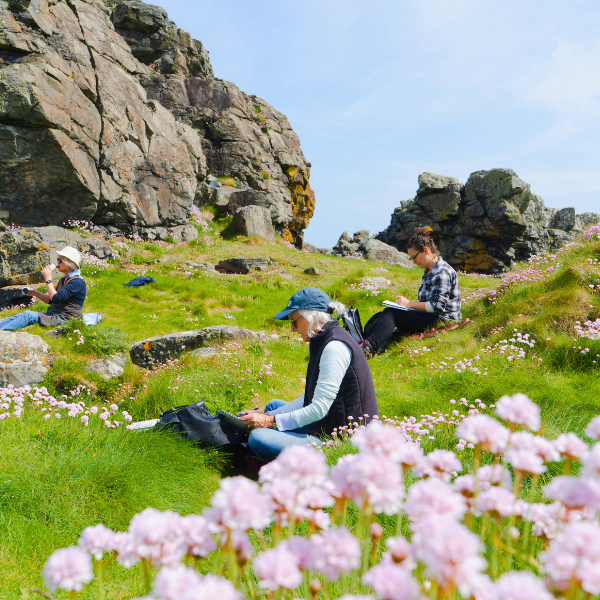
We know that stepping outside – whether into the countryside or a bustling town or city – can help unlock that stifled feeling. A rush of fresh air often allows us to think more freely. If you can, try working a walk into your creative time. Maybe take a sketchbook with you.
Working out which feel-good activities and mechanisms suit you best is a great place to start. It’s almost like having a toolbox ready and on hand when that familiar frustration creeps in.
4) Go where art already exists
Seeing work in the real world can unlock perspective and provide inspiration. But visiting galleries or exhibitions can sometimes feel daunting. Remember: standing in front of a painting and thinking, “I’m not sure what I’m looking at,” is perfectly fine. In fact, that’s often where the magic begins.
Galleries & Exhibitions
Visit without pressure to analyse
Notice what holds your attention and why
Pay attention to scale and materials
Talks, lectures & screenings
Artists talks or panel discussions
Recorded lectures online or archive talks which are often easier to access
Open studios
Many large studio complexes host open studios once or twice a year, with organised opening hours. They can be a wonderful way to learn more about artists you admire – and an inspiring opportunity to see how different spaces shape creative work. Cornwall Open Studios (next open in May 2026) is a great way to explore this beautiful part of the world and visit hundreds of artists studios around the county.
The real question, when taking in all of this work and information, is simple: how does it make you feel?
5) Make it social (if you like)
Creativity doesn’t have to be solitary – but it also doesn’t need to be performative. If you’re feeling isolated or stuck, low-commitment social learning can help.
Workshops & Courses
It’s not just professional artists who benefit from this kind of learning. There are opportunities for all levels – whether you’re starting from scratch, building on existing skills, or looking for support to grow your practice.
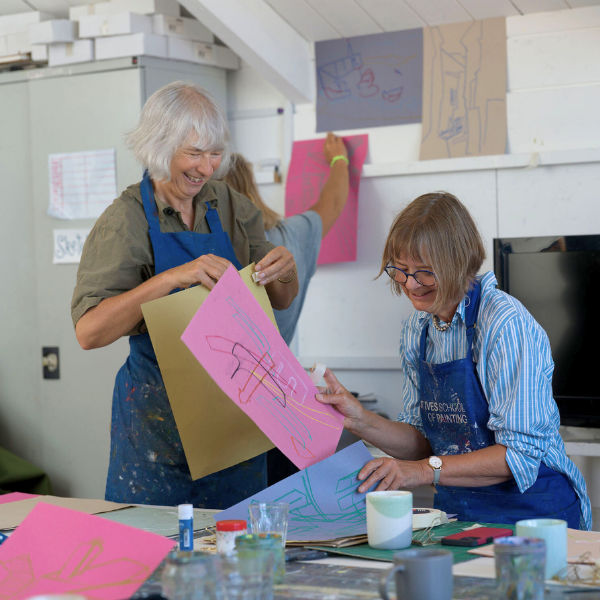
At St Ives School of Painting, we offer a range of programmes, courses, and workshops, including:
- 3 or 4 day art courses in our studio
- 1 day workshops or half day workshops throughout the summer months
- Artist Retreat weeks which include 1-1 mentoring
- Yearlong programmes to help you find your creative voice
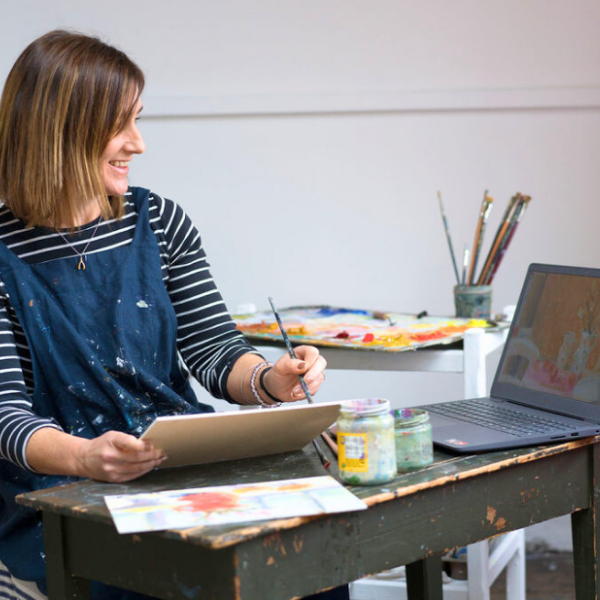
- Online art courses as well as a regular online art club
Creative Communities
- Reading groups
- Open studios
- Online forums (for example, anyone who joins one of our courses will be invited to join our Alumni Group on Facebook, where students can share work, feedback and have discussions!)
Speaking to others can be hugely beneficial, helping to restore momentum in a natural way.
6) Start small and stay consistent
PSA: You don’t need a grand project to begin again.
A sketch a day.
A single study.
A weekly experiment.
Momentum comes from repetition, not ambition.
Ask yourself:
- What feels doable right now?
- What would make this feel lighter?
- How can I lower the bar just enough to begin?
A note for beginners
If you’re just starting out: you’re not late, and you’re not behind.
The goal isn’t to master everything quickly – it’s to build curiosity and confidence over time. Start with fundamentals. Learn slowly. Let your taste develop alongside your skills.
Most creative journeys don’t start with clarity – they start with a willingness to be open-minded and curious.
And finally…
This year doesn’t need a creative overhaul.
It can be about:
- returning to what already interests you
- strengthening what you already know
- creating spaces where making feels possible again
Many of the best creative resources – including courses and workshops – are designed not to replace your skills, but to build on them.
If you’re feeling inspired, here are few ways to keep that momentum going:
- Browse our 2026 studio courses and join us for a creative escape in St Ives
- Take a look at our latest online courses and series, so you can start creating from the comfort of your own home
- Join our brand-new online art club
- You can gain inspiration and ideas through our How To Series, short exercises taken from our longer online courses, available now on YouTube
6/1/2026
Share on
Related Stories
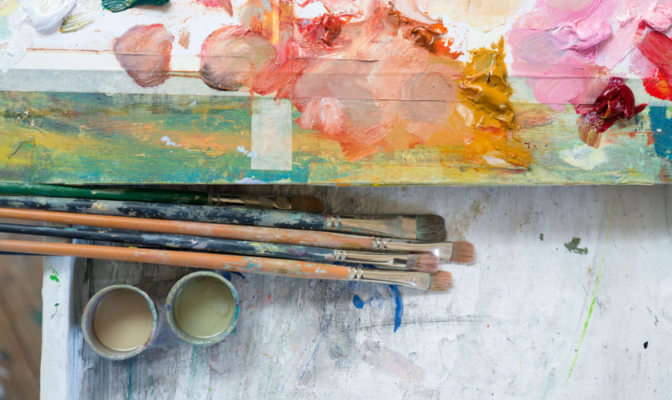
How to Choose the Right Online Oil Painting Course for You
With the rise of online learning, we now have access to a wealth of oil painting courses at our fingertips. Whether you’re a complete beginner or looking to refine your skills, choosing the right course can make all the difference. But with so many options available, how do you know which is best suited for...
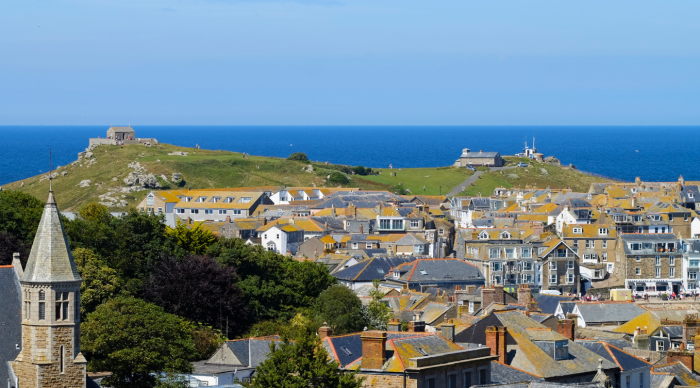
St Ives September Festival: What to See & Do
Every September, the town of St Ives comes alive with a vibrant celebration of art, music and culture. Now in its fifteen-day run (Saturday 12th to Saturday 26th September 2026), the St Ives September Festival offers an inspiring mixture of exhibitions, performances, workshops, theatre, walks, comedy, poetry, films and more. If you’re thinking of attending,...
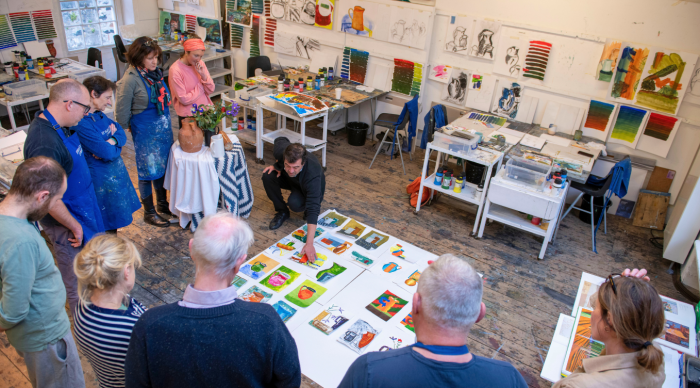
How to Start Painting after 20 Years
We often hear from people who haven’t painted in years and aren’t sure where to begin. Recently, one of our own team decided to find out for herself. From Office Manager to Amateur Artist “I haven’t painted in over 20 years… where do I even start?” It’s something we hear all the time from prospective...