The Turning Point: How St Ives School of Painting Survived and Evolved
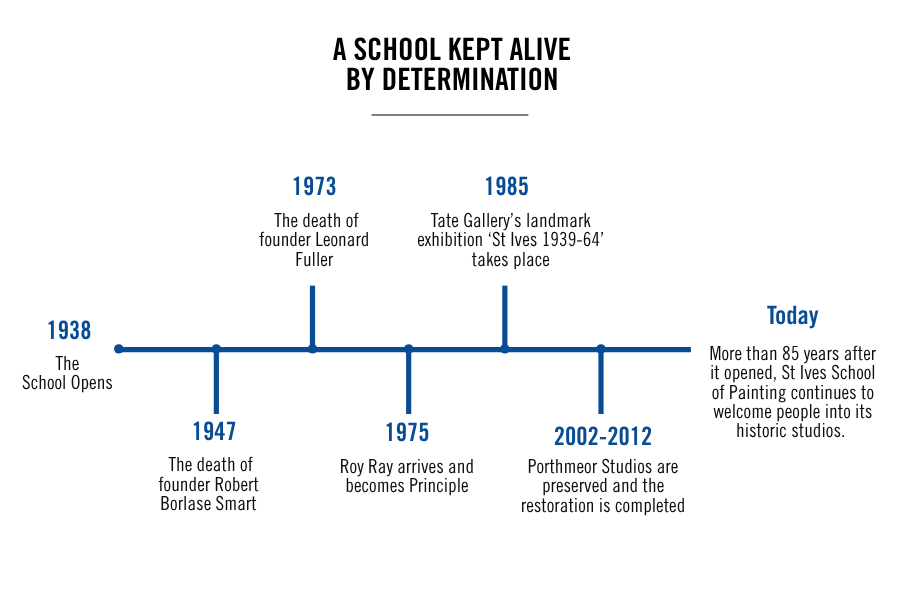
By the 1970s, St Ives School of Painting was facing an uncertain future. Its founders had passed away, the art world was changing and the historic Porthmeor Studios were increasingly vulnerable. Yet a small group of determined people ensured that the School – and its place within St Ives’ artistic community – survived.
And now, through our new short film, The Turning Point, we explore this pivotal period in the School’s history: from its founding in 1938 and its place within the story of British modernism to its decline, renewal and continuing purpose today.
The Turning Point for St Ives School of Painting is one of five films in the St Ives Stories collection. Together, the films explore the culture and history of St Ives, from its hidden creative spaces to its fishing heritage, as told by storytellers from across the community.
Watch Now
The story before The Turning Point
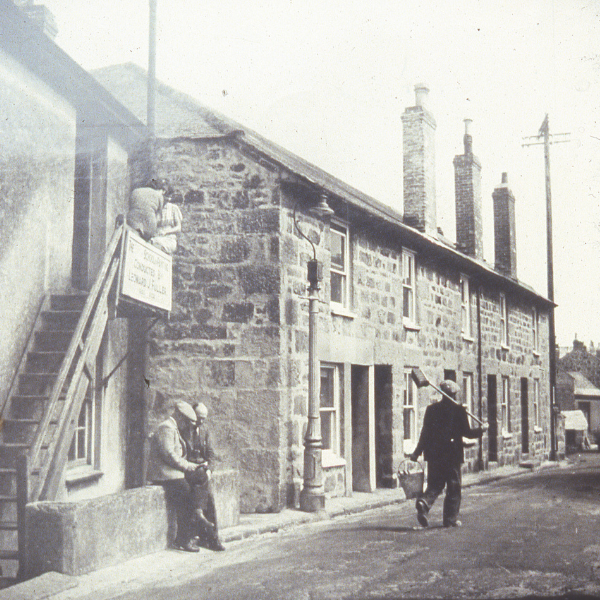
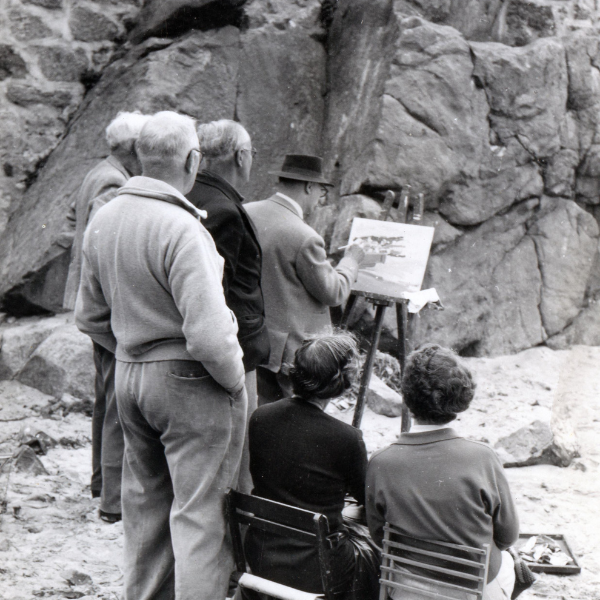
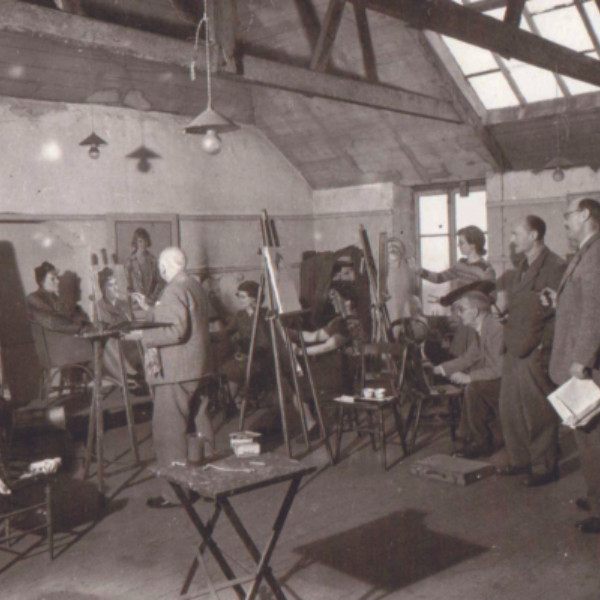
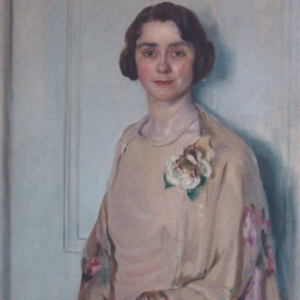
St Ives School of Painting opened in April 1938, realising a promise made by artists Borlase Smart and Leonard Fuller while serving in the trenches of the First World War: if they survived, they would one day live and paint in St Ives. Smart went on to become known for his boldly painted seascapes and played an important role in championing the town’s artists. By the mid-1930s, he recognised the need for a central art school in St Ives and persuaded Fuller – then a successful portrait painter and Drawing Master at Dulwich College – to leave London and establish the School in Porthmeor Studios. It quickly attracted students from Britain and overseas.
Just a year later, Ben Nicholson, Barbara Hepworth and Naum Gabo arrived in St Ives, joining an artistic community that already included potter Bernard Leach. Together, they helped establish the town as a centre for modern art with an international reputation. Leonard Fuller welcomed these new ideas, while Borlase Smart invited Nicholson and Hepworth to join the St Ives Society of Artists. Younger artists including Peter Lanyon, Terry Frost and Wilhelmina Barns-Graham also made regular use of the School – particularly its life-drawing classes -placing it at the heart of an increasingly vibrant and influential creative community.
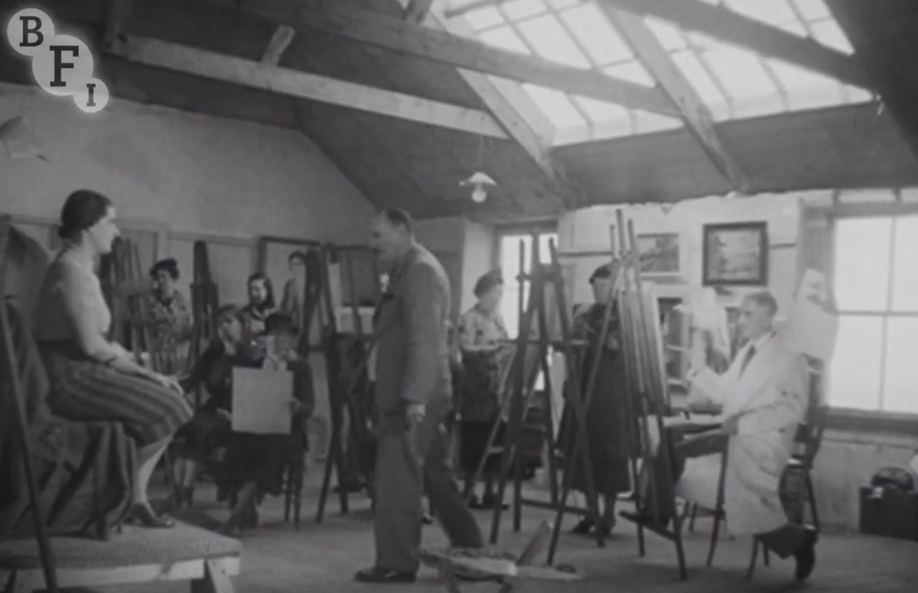
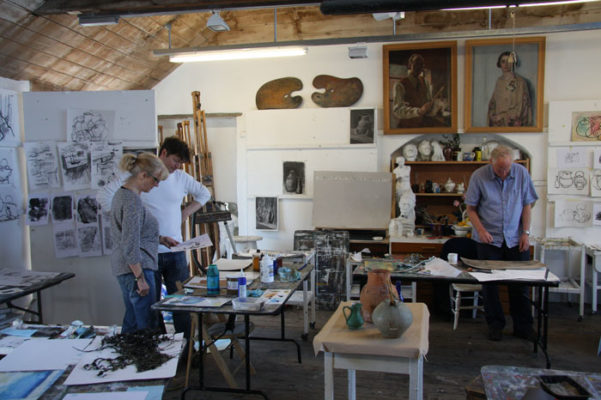
A Glimpse Inside St Ives School of Painting in 1948
The turning point
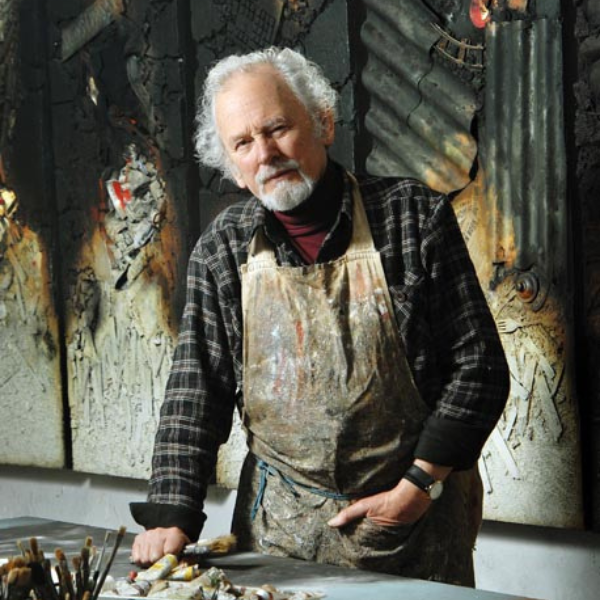
Following Leonard Fuller’s death in the mid-1970s, his widow Marjorie continued his work, determined to keep the School going during an increasingly uncertain period. In 1975, she turned to Roy Ray – a practising artist and London lampshade maker who knew the School from visits during the 1960s – and asked him to take on the role of Principal. What he found on his arrival, and how he set about reviving the School, is a story best left to those who witnessed it. Through their memories – some poignant, others decidedly humorous – the film reveals how Roy restored momentum, introduced new ideas and began laying the foundations for the School’s future.
Renewal, but not security
Interest in St Ives and its artistic legacy began to grow again, helped by the Tate Gallery’s landmark 1985 exhibition, St Ives 1939-64. The campaign for a permanent gallery in the town was later launched from the School, contributing to the opening of Tate St Ives in 1993. Yet renewed recognition did not guarantee the School’s survival. Porthmeor Studios remained vulnerable, with the building deteriorating under the effects of its exposed coastal setting and its future far from assured.
Protecting the studios would require determination, campaigning and significant investment. The story became about more than preserving an important historic building, it was about ensuring that Porthmeor remained a place where art continued to be made and taught. The film explores how that future was secured – and why the survival of working creative places like St Ives School of Painting still matters today.
St Ives School of Painting Today
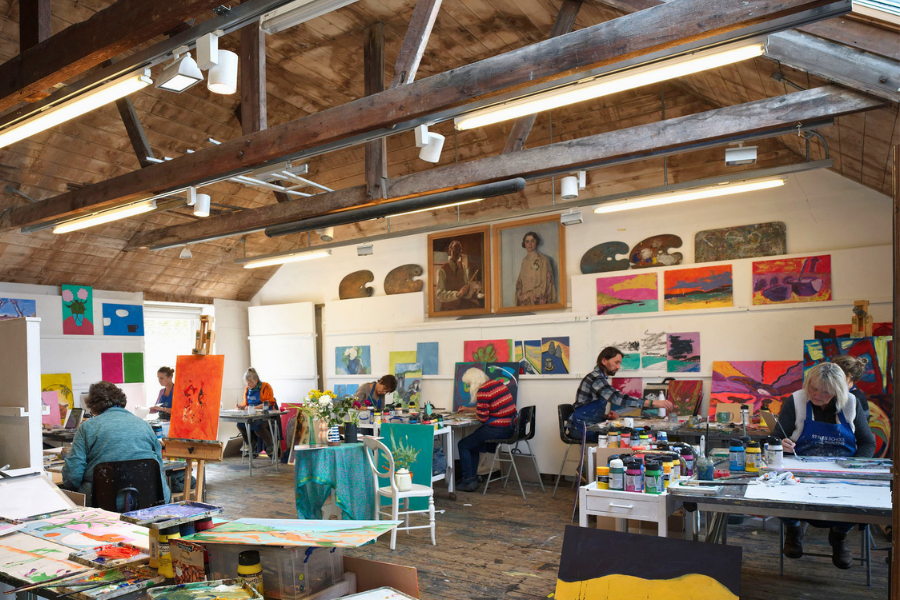
Today, Porthmeor Studios remain working creative spaces. The studios remain as the home of St Ives School of Painting. Students continue to paint from the same studios, encounter the St Ives landscape and learn from practising artists. The survival of the School means that this history is not confined to an archive – it continues to be shaped by everyone who enters the studios.
23/9/2026
Share on
Related Stories
The Sunday Times: The Art of Learning
As seen in… Is it a bird, is it a plane? Our budding Rothko, Sean Newsom, signs up for an abstract art class in St Ives. Can I remind you that this jumble of fisherman cottages and harbour walls was also – for a time – the forcing house of British abstract art? – When...
Artists & Illustrators: The Art of Keeping it Simple
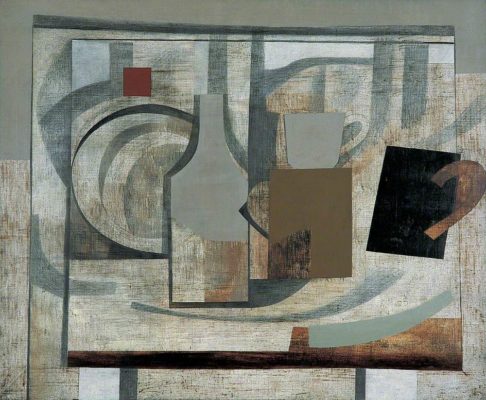
As seen in… Artists and two of tutors Liz Luckwell and Marion Taylor share their insights to achieving modernist minimalism in a modern time frame. Harness the powerful abstract potential of the still life, inspired by modernist icons William Scott and Ben Nicholson. Though still resolutely abstract, these 1940s paintings had a domestic quality to...
Your Monthly Roundup: February
A monthly round up of the latest news, insights and events. Sign up to our newsletter to receive this update straight to your inbox!