Course details
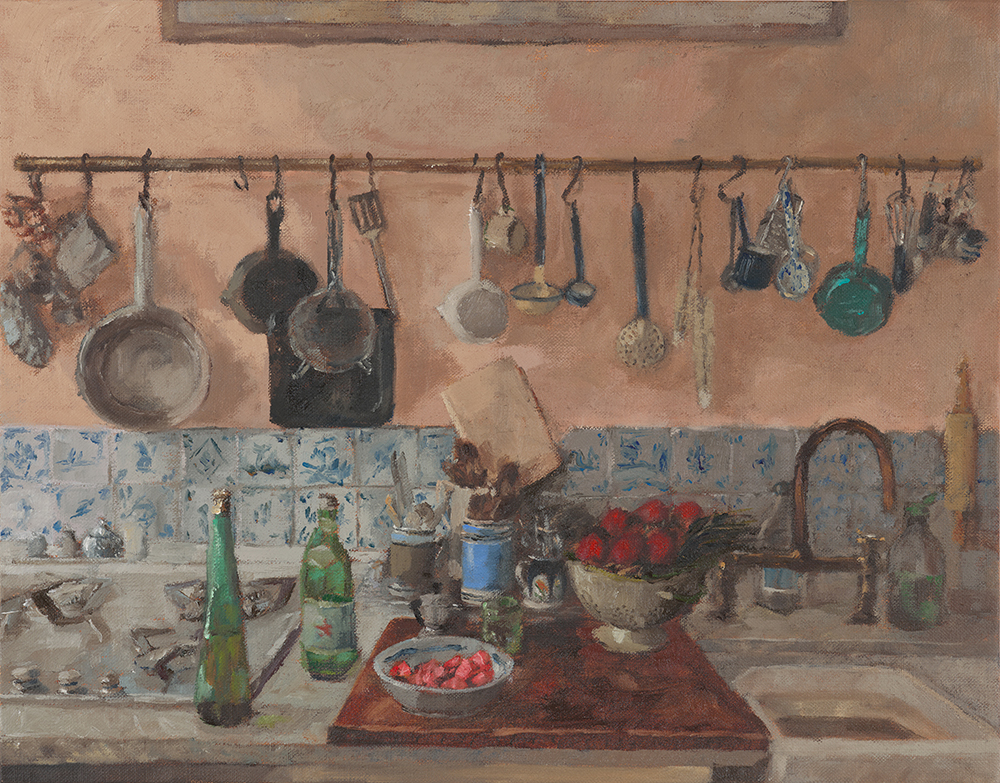
Discover how to turn simple everyday objects into expressive still-life oil paintings, focusing on light, mood, and refined composition.
How do you find inspiration from your everyday surroundings? How do you work out interesting compositions when drawing or painting things you find in your house?
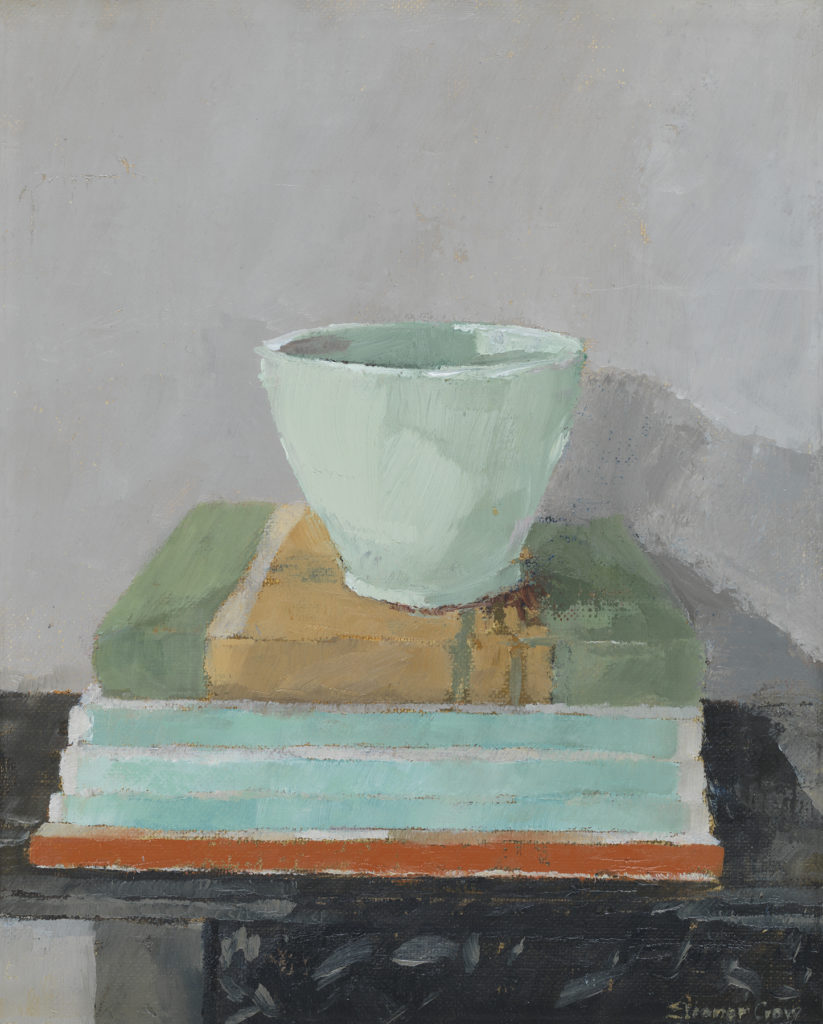
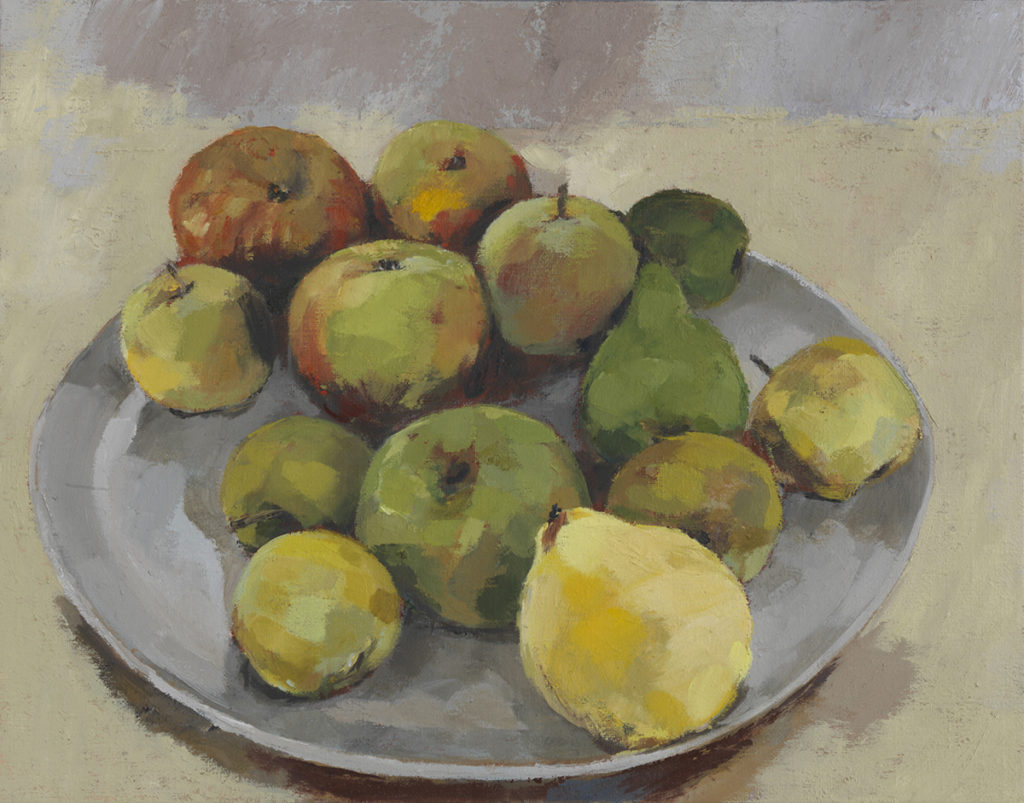
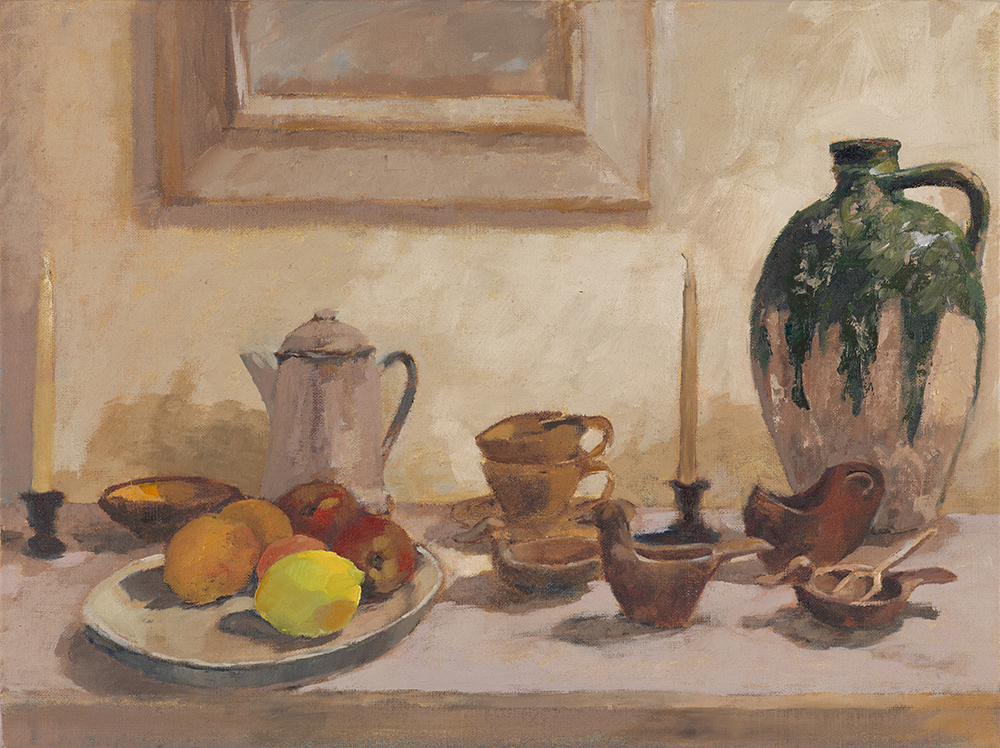
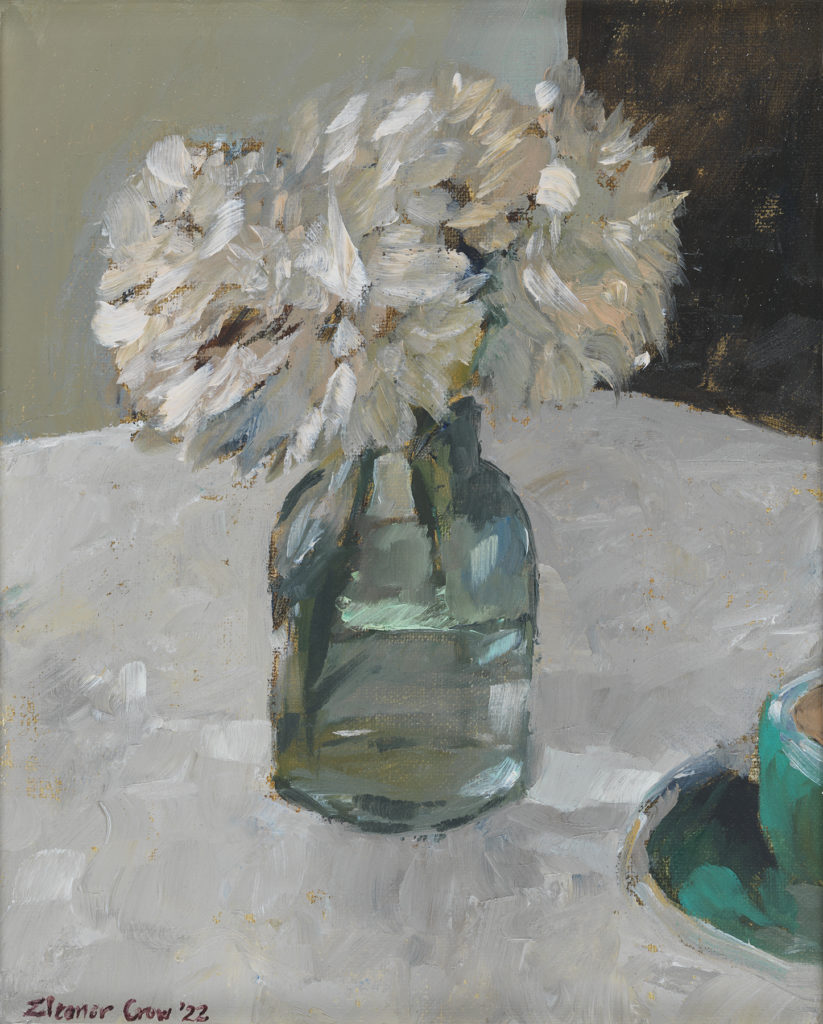
On this three-day course, artist Eleanor Crow teaches you the subtle art of capturing the beauty of vases, bowls, bottles, fruit and flowers. Introducing you to how masters including Morandi, William Scott, Diebenkorn and Gwen John used the domestic setting as a place for inspiration, learn to capture the subtle tones in apparently simple subjects. Create captivating still-life compositions that capture subtle shifts of light and mood.
Working from your own still-life set-up, start by exploring tone and composition then create a tonal palette in limited colours. See how altering the combination of objects and the changing light – natural or artificial – can add rhythm and texture to your still-life set-ups. Eleanor will demonstrate how to transform your smaller studies into larger compositions, and how to add depth, tone and luminosity to your oil paintings. Ideal if you are new to oil painting, or are simply looking for new sources of inspiration, or ways to freshen up your approach.
Day to day plan
This is a rough indication of what to expect over the course. However sometimes the structure of the days may alter depending on the nature of the group and weather.
Day 1
Starting with an introduction to the idea of ‘groupings’, look to artists including Morandi, William Scott and Gwen John. Focus on tone and composition in charcoal and graphite in the morning, and then move to colour mixing in oils in the afternoon.
Day 2
Add to the colour mixing started on day one and then work on small studies. By the afternoon, begin a more involved, longer work.
Day 3
Working towards a finished, larger piece, you will have the opportunity to see your fellow students work in the afternoon.
What will I learn?
- Gain inspiration from your everyday surroundings. See how simple domestic objects you find in your home can inspire your work.
- Build confidence in working with oil paints.
- A greater understanding of other artists who have been inspired by still-life painting.
- Adding tone, depth and luminosity to your paintings.
- Gain confidence in building a composition.
Who would this course suit?
If you are interested in finding new ways of capturing the environment around you, this course is for you. Most importantly, this will be a chance to explore and experiment without judgement.
Ahead of your oil painting course with us if you would like to brush up your skills, you are entitled to 25% off our online “Getting Started with Oil Painting” course here. You will be given a code after purchasing our studio oil painting course.
Our studio ‘Beginner’s Oil Painting’ courses can be found here.
Taught by
What to Bring
Our studios are fully equipped and we provide you with all the materials you need for your course. However, if you have a favourite set of brushes or any specialist materials that you would prefer to use, please bring them with you.
Timings and Breaks
The first day starts at 10am and finishes at 4.30pm, please aim to arrive ten to fifteen minutes before the start time.
All course days after that start at 9.30am and finish at 4pm and there will be an hour for lunch. There are plenty of nearby places to eat and we will serve tea and coffee at break times during the day.
What our students say
Eleanor is a brilliant teacher, she managed to spend plenty of time with us individually as well as in a group and was encouraging and inspired us to make the most of our own individual styles.
Fantastic course. Eleanor was very generous with her advice and knowledge, and I certainly went away with a lot of information on how to approach tone, palette, and composition.
FAQs
Art Courses
Do I need any previous art experience?
Not always. We offer courses for all levels, including complete beginners, intermediate students and more experienced artists. You can look for the experience level listed on the individual course page to find the most suitable option for you. If you need any guidance on what course might suit you best, contact on our friendly team on 01736 797180 and they will be able to help.
Art Courses in St Ives
How do I log in to my online account?
To log in to your account, please follow these steps:
- Go to our website: www.schoolofpainting.co.uk
- Click on the ‘Log in’ button (usually found near the top right of the page)
- Enter the email address and you used when booking
- Click “Log in” to access your account
Once logged in, you’ll be able to view your bookings, outstanding payments, online courses and any relevant account information.
If you’ve forgotten your password, simply click ‘Forgot password?’ on the login page and follow the instructions to reset it.
If you have any trouble accessing your account, please email us and we’ll be happy to help.
Do you offer art classes for children and teenagers?
Yes. Our Young Artists Programme includes art workshops for children and teenagers, with sessions designed for different age groups. During the summer, we also run creative workshops for children aged 7-13.
How large are your art classes?
Our studio courses are taught in small groups of around 10 to 12 people, allowing tutors to provide individual guidance alongside group demonstrations and discussions.
What is included in an art course?
Course fees include professional tuition from a practising artist and use of the School’s studio facilities. Materials and equipment are all included in our in person courses, workshops and life drawing sessions – so you can just turn up and get started. Teas and coffees are also provided throughout the day.
Can I attend an art course on my own?
Absolutely. Many students come to St Ives School of Painting independently. Courses offer a welcoming and sociable environment, with plenty of opportunities to meet other people who share an interest in making and learning.
Do you offer beginner painting courses?
Yes. Our programme includes beginner-friendly painting courses covering materials such as oils, acrylics and watercolours. These courses introduce you to essential tools and techniques while giving you plenty of time to practise and explore your own ideas.
How do I choose the right art course?
Start by considering how you would like to work. You may want to learn a particular medium, improve a skill such as drawing or colour mixing, explore a subject such as landscape or still life, or develop a more personal approach. Each course page explains the content, materials, level and teaching approach to help you decide. Our friendly, helpful team are always available to help further.
Please call us on 01736 797180 to discuss your options or email [email protected].
Who teaches your art courses?
Our courses are led by practising artists – including Jill Eisele, Alice Mumford, Iona Sanders and Neil Canning – all with extensive knowledge of their chosen subjects and materials. Each tutor brings their own artistic experience, working methods and approach to teaching, giving students the opportunity to experience a wide range of ideas and techniques.
How do I get my work home?
Tutors have special techniques for transporting oil paintings and for our 3 day courses we will give you a plastic folder with a handle. These are also available to purchase for £3.50 or do bring a portfolio.
Please note: For the course Bigger, Bolder, Braver with Boo Mallinson, we will provide a large A1 size plastic folder for your work but please consider how you will be able to transport the larger canvases home safely before signing up for the course as we will not be able to store large paintings in the studio. On this course you will be painting on a 50cms x 50cms and a 1m x 1m canvas alongside smaller pieces.
For international students we are happy to arrange transportation of your work back home, postal costs will be borne by you.
What times do courses run?
Most of our courses start at 10am and end at 4.30pm on the first day. Subsequent days we start at 9.30am ending at 4pm.
Short workshops start at 10am in the Summer and 9.30am/ 1.30pm during September festival
In Person Courses
What art courses do you offer in St Ives?
We offer a varied programme of art courses in St Ives, including painting, drawing, printmaking, mixed media and life drawing. You can choose from one-day workshops, short summer sessions and more immersive three- and four-day studio courses. We also offer longer development courses for those looking to take their practice to the next level.
What do I need to bring?
You don’t need to bring anything with you unless we specify beforehand. All materials, aprons and tools are provided, however some people do like to bring along their favourite set of brushes or sketchbooks.
What do I do for lunch?
Courses allow an hour’s break for lunch and there are numerous places nearby or you are welcome to bring a packed lunch into the studio.
Can I bring my dog?
The studios are busy places with lots of equipment and not suitable for bringing a pet dog. We can accommodate assistance dogs with prior notice so we can make suitable adjustments. If you wish to bring an assistance dog please call 01736 797180 or email [email protected]
Choosing an Art Course
Do you run life drawing classes in St Ives?
Yes. We hold regular life drawing sessions in St Ives, including Thursday evening and Saturday morning classes. These welcoming, tutored sessions are open to a range of experience levels and provide an opportunity to practise drawing from a life model. Our life drawing sessions are held just a 5 minute walk from our studios at The Island Centre.
Do you offer art courses for adults?
Yes. We run art classes and courses for adults throughout the year, from accessible introductory workshops to more intensive courses for people looking to deepen their creative practice.
What types of painting can I learn?
Our courses cover a wide range of approaches, including oil painting, acrylic painting, watercolour, gouache, landscape painting, still life, portraiture and abstraction. We also offer courses exploring colour, composition, mark-making and creative confidence.
You might also like...
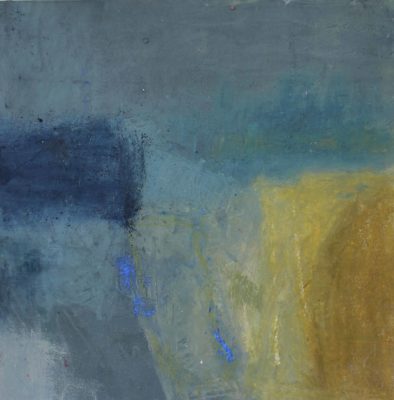
Line, Texture, Tone - Coldwax Painting
Fri 22 Sep 2028 - 4.5 hours over 3 sessions
Laura Menzies
Enjoy creating luminous abstract paintings using coldwax painting. Learn how these three fundamental aspects - texture, line and shape - can help develop your unique visual vocabulary.
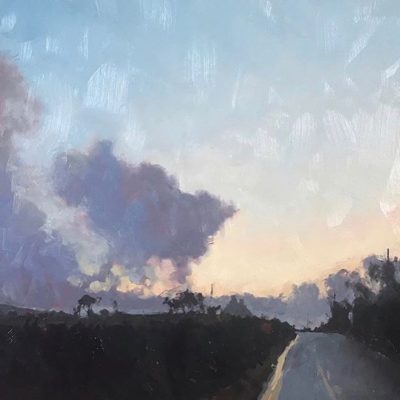
Painting Twilight in Oils - Winter Solstice
Fri 22 Sep 2028 - 2.5 hr
Tom Rickman
Learn how to capture twilight in oils, where fading light and the rich colour of the sea and the sky can naturally lead you into abstraction.
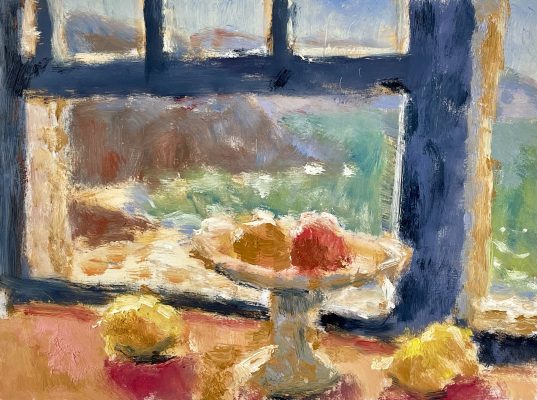
Colour, Light + Depth In Painting
Fri 22 Sep 2028 -
Alice Mumford
Would you like to explore colour more deeply? Join Alice Mumford to see how the shifting relationship between light, space and our point of view transforms the colours we see. Come on the journey to translate that understanding into paint.
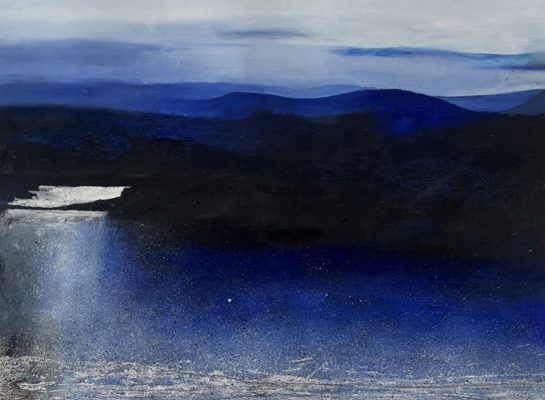
Atmospheric Perspective in Oils
Mon 21 - Wed 23 Jun 2027 - 3 days
Kieran Stiles
Join artist Kieran Stiles and explore the phenomenon of 'atmospheric perspective', where we see objects in the distance as more blue. Since the 15th Century, artists have experimented with this idea in order to create a greater sense of depth and perspective in a painting.
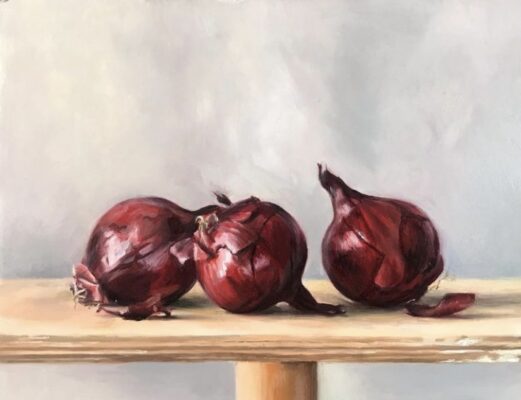
Painting Still Life in Oils
Mon 16 - Wed 18 Nov - 3 days
Emily Roberts
Craft a striking layered oil painting that evokes depth and volume through the masterful use of texture, colour, and chiaroscuro.
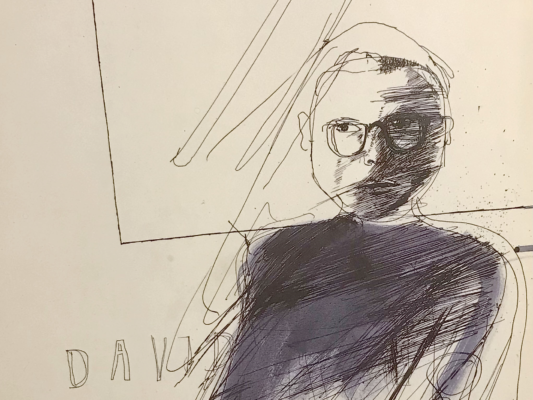
Figure - Inspired by David Hockney (R)
Fri 22 Sep 2028 - 2 hours
Gary Long
Join artist Gary Long for this David Hockney-inspired life drawing webinar. Recorded from our studio in St Ives with a model, you are invited to join at home with guided exercises.
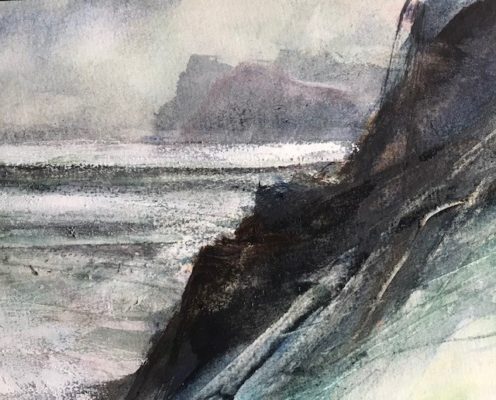
The Elements + Art of Drawing
Mon 1 - Thu 4 Feb 2027 - 4 days
Hilary Jean Gibson + Jill Eisele
Why learn to draw? Drawing can both underpin and free-up your painting practice, and drawing doesn’t need to be ‘correct’ to be fun or creative!