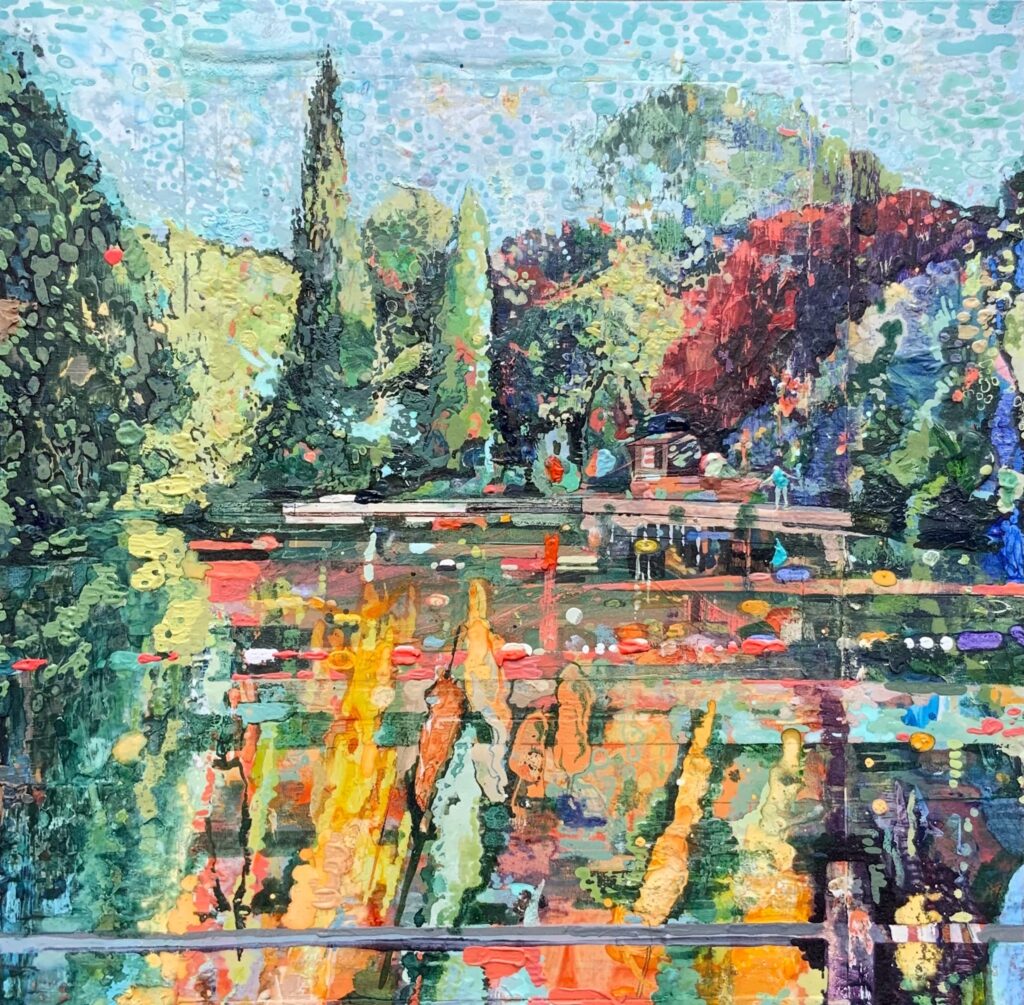
Figure In A Landscape
Drawing / Oil / Painting / Figure - Materials included
We haven’t scheduled this course yet. Please email us to register your interest for future availability.
Register InterestCourse details
An exploration of integrating the human figure into the landscape through outdoor and studio-based study, encompassing drawing and painting techniques.
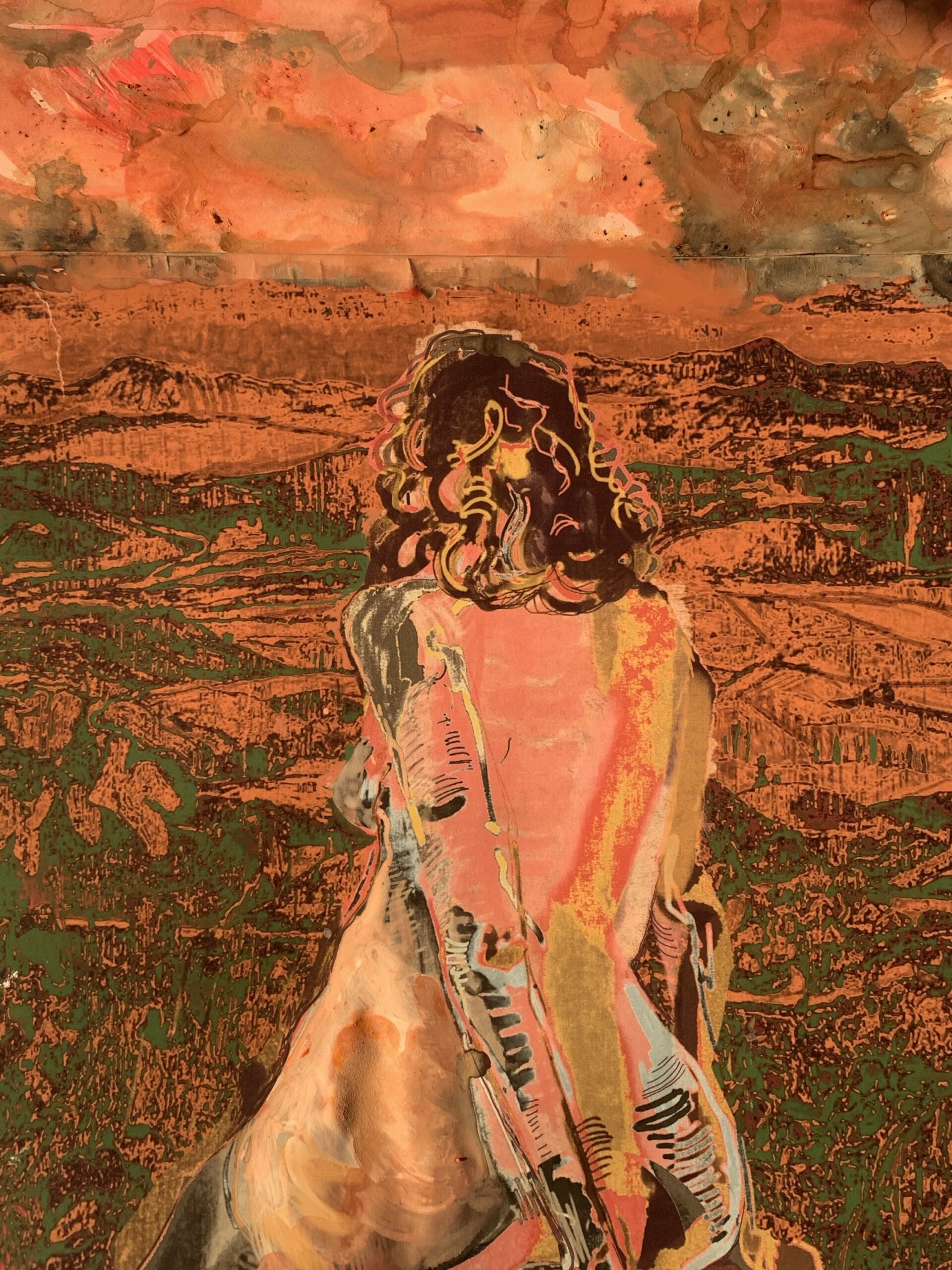
The relationship between the figure and its environment has been a major focus for many artists throughout the history of art, from Piero della Francesca to Tintoretto, Munch to Francis Bacon. Artists have sought to portray the mundane and extraordinary moments of daily life, offering viewers a glimpse into the emotions, activities, and interactions that shape our world, reflecting the universal experiences and connections that bind us all.
In the skilled hands of artist and tutor Julian Vilarrubi, who has taught painting and drawing for over two decades in his hometown of Brighton, participants are guided through a thoughtfully structured course that balances inspiration, observation, and experimentation.
The course opens with a visual introduction that places the human figure within a landscape context, drawing on inspiring examples from artists who have explored this relationship. Through discussion and demonstration, key themes and creative possibilities are introduced, setting a foundation for the practical work to follow. Participants then move outdoors to work directly from the clothed figure in the landscape, exploring ideas around abstraction, simplification, colour, decoration, composition, and context using a range of media.
The second day deepens observational work through a series of structured scenarios with the model in the landscape. These sessions investigate scale, gesture, expression, sequence, and narrative, encouraging varied responses and the collection of visual material in both colour and monochrome. This body of work becomes the source material for subsequent studio development.
The course then transitions fully into the studio, where participants are introduced to oil and acrylic painting techniques. Through guided experimentation, layering, and reworking, ideas developed outdoors are translated into painted responses. Emphasis is placed on process-led exploration, allowing work to evolve through a series of paintings and pushing creative boundaries.
The final day focuses on consolidating and resolving work into one or more finished pieces. Group discussion and reflection support an understanding of how individual responses to the figure and landscape have developed, while also encouraging consideration of future directions and continued exploration beyond the course.
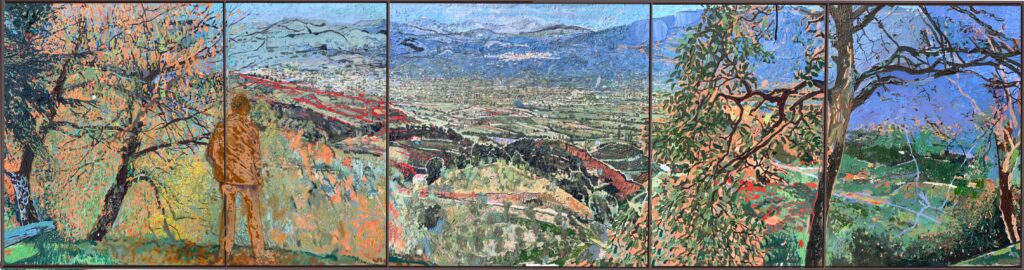
Day to day plan
This is a rough indication of what to expect over the course. However sometimes the structure of the days may alter depending on the nature of the group and the weather conditions.
Day 1
There will be a visual introduction to the week with inspiring contextual examples to demonstrate how artists have integrated the figure into their landscapes. Using these examples Julian will be illustrating the ideas and possibilities that emerge which will then be explored over the days of the course.
After the introduction painted papers will be prepared in the studio for use in the afternoon.
In the afternoon you will be in the landscape (weather permitting) working directly from the figure in order to explore ideas based around abstraction, simplification, colour, decoration, composition and context in a variety of media.
Day 2
In the morning you will be working with the model in the landscape from a new scenario that explores the themes of scaling, context, gesture, expression and sequence using a variety of materials.
In the afternoon the model will be in the third final scenario which introduces a set-up that suggests a story or narrative element. All the visual material in colour and monochrome collected from the model in the landscape will now form the basis to expand upon and refine in the studio for the work made over the next two days.
Day 3
In the studio using oil paint and acrylic Julian will introduce a number of techniques and approaches in order to begin exploring processes to provoke responses to the ideas and studies you have made in the landscape .
In the afternoon you will be working through possibilities in painting, perhaps in a series of works, layering and reworking in order to push your ideas and boundaries into new directions.
Day 4
On the final day you will work on a painting or a series of works. We will be discussing in the group your thoughts, thinking about and recognising how your response to the landscape and the figure has evolved whilst considering new avenues in order to further extend your work in the future.
What you will learn
- Understand how artists integrate the figure within landscape contexts.
- How to transfer visual information from studies to canvas or other surfaces using the squaring up method.
- How to apply colour theory through practical studies.
- Explore ideas based around abstraction, simplification, composition, and context in a variety of media.
- How to exploit drawing materials and how to build and develop compositions using collage techniques.
- How to work with coloured grounds in acrylic.
- Oil paint application, layering and painting effects.
- How digital software such as Procreate can help you to select, edit, manipulate and construct an image.
- How the photocopier can extend your ideas by selecting, editing and manipulating your visual references.
Who would this course suit?
This course would suit anyone at all levels who wants to extend their skills in painting and drawing whilst building their confidence in visualising, setting up painting possibilities and acting upon them to produce a series of outcomes that ideally would offer up further opportunities for development.
Taught by
What to Bring
Our studios are fully equipped and we provide you with all the materials you need for your course. However, if you have a favourite set of brushes or any specialist materials that you would prefer to use, please bring them with you.
If you have an iPad or similar device please bring it along with you. During the course, Julian will be talking about how digital software programmes such as Procreate can be used to help you to select, edit, manipulate and construct images.
Timings and Breaks
The first day starts at 10am and finishes at 4.30pm, please aim to arrive ten to fifteen minutes before the start time.
All course days after that start at 9.30am and finish at 4pm and there will be an hour for lunch. There are plenty of nearby places to eat and we will serve tea and coffee at break times during the day.
FAQs
Art Courses
Do I need any previous art experience?
Not always. We offer courses for all levels, including complete beginners, intermediate students and more experienced artists. You can look for the experience level listed on the individual course page to find the most suitable option for you. If you need any guidance on what course might suit you best, contact on our friendly team on 01736 797180 and they will be able to help.
Art Courses in St Ives
How do I log in to my online account?
To log in to your account, please follow these steps:
- Go to our website: www.schoolofpainting.co.uk
- Click on the ‘Log in’ button (usually found near the top right of the page)
- Enter the email address and you used when booking
- Click “Log in” to access your account
Once logged in, you’ll be able to view your bookings, outstanding payments, online courses and any relevant account information.
If you’ve forgotten your password, simply click ‘Forgot password?’ on the login page and follow the instructions to reset it.
If you have any trouble accessing your account, please email us and we’ll be happy to help.
Do you offer art classes for children and teenagers?
Yes. Our Young Artists Programme includes art workshops for children and teenagers, with sessions designed for different age groups. During the summer, we also run creative workshops for children aged 7-13.
How large are your art classes?
Our studio courses are taught in small groups of around 10 to 12 people, allowing tutors to provide individual guidance alongside group demonstrations and discussions.
What is included in an art course?
Course fees include professional tuition from a practising artist and use of the School’s studio facilities. Materials and equipment are all included in our in person courses, workshops and life drawing sessions – so you can just turn up and get started. Teas and coffees are also provided throughout the day.
Can I attend an art course on my own?
Absolutely. Many students come to St Ives School of Painting independently. Courses offer a welcoming and sociable environment, with plenty of opportunities to meet other people who share an interest in making and learning.
Do you offer beginner painting courses?
Yes. Our programme includes beginner-friendly painting courses covering materials such as oils, acrylics and watercolours. These courses introduce you to essential tools and techniques while giving you plenty of time to practise and explore your own ideas.
How do I choose the right art course?
Start by considering how you would like to work. You may want to learn a particular medium, improve a skill such as drawing or colour mixing, explore a subject such as landscape or still life, or develop a more personal approach. Each course page explains the content, materials, level and teaching approach to help you decide. Our friendly, helpful team are always available to help further.
Please call us on 01736 797180 to discuss your options or email [email protected].
Who teaches your art courses?
Our courses are led by practising artists – including Jill Eisele, Alice Mumford, Iona Sanders and Neil Canning – all with extensive knowledge of their chosen subjects and materials. Each tutor brings their own artistic experience, working methods and approach to teaching, giving students the opportunity to experience a wide range of ideas and techniques.
How do I get my work home?
Tutors have special techniques for transporting oil paintings and for our 3 day courses we will give you a plastic folder with a handle. These are also available to purchase for £3.50 or do bring a portfolio.
Please note: For the course Bigger, Bolder, Braver with Boo Mallinson, we will provide a large A1 size plastic folder for your work but please consider how you will be able to transport the larger canvases home safely before signing up for the course as we will not be able to store large paintings in the studio. On this course you will be painting on a 50cms x 50cms and a 1m x 1m canvas alongside smaller pieces.
For international students we are happy to arrange transportation of your work back home, postal costs will be borne by you.
What times do courses run?
Most of our courses start at 10am and end at 4.30pm on the first day. Subsequent days we start at 9.30am ending at 4pm.
Short workshops start at 10am in the Summer and 9.30am/ 1.30pm during September festival
In Person Courses
What art courses do you offer in St Ives?
We offer a varied programme of art courses in St Ives, including painting, drawing, printmaking, mixed media and life drawing. You can choose from one-day workshops, short summer sessions and more immersive three- and four-day studio courses. We also offer longer development courses for those looking to take their practice to the next level.
What do I need to bring?
You don’t need to bring anything with you unless we specify beforehand. All materials, aprons and tools are provided, however some people do like to bring along their favourite set of brushes or sketchbooks.
What do I do for lunch?
Courses allow an hour’s break for lunch and there are numerous places nearby or you are welcome to bring a packed lunch into the studio.
Can I bring my dog?
The studios are busy places with lots of equipment and not suitable for bringing a pet dog. We can accommodate assistance dogs with prior notice so we can make suitable adjustments. If you wish to bring an assistance dog please call 01736 797180 or email [email protected]
Choosing an Art Course
Do you run life drawing classes in St Ives?
Yes. We hold regular life drawing sessions in St Ives, including Thursday evening and Saturday morning classes. These welcoming, tutored sessions are open to a range of experience levels and provide an opportunity to practise drawing from a life model. Our life drawing sessions are held just a 5 minute walk from our studios at The Island Centre.
Do you offer art courses for adults?
Yes. We run art classes and courses for adults throughout the year, from accessible introductory workshops to more intensive courses for people looking to deepen their creative practice.
What types of painting can I learn?
Our courses cover a wide range of approaches, including oil painting, acrylic painting, watercolour, gouache, landscape painting, still life, portraiture and abstraction. We also offer courses exploring colour, composition, mark-making and creative confidence.
You might also like...
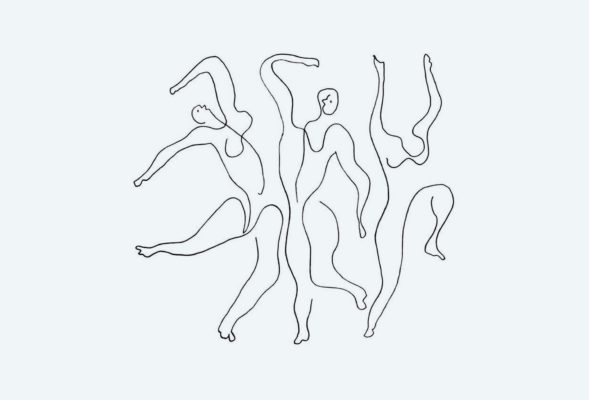
Figure - Inspired by Picasso
Fri 22 Sep 2028 - 2 hr
Ilker Cinarel
Join artist Ilker Cinarel from our studio in St Ives for this Picasso-inspired webinar with a clothed model.
Introduction to Matisse - Pattern + Illusion
Fri 22 Sep 2028 - 5 hours
Alice Mumford
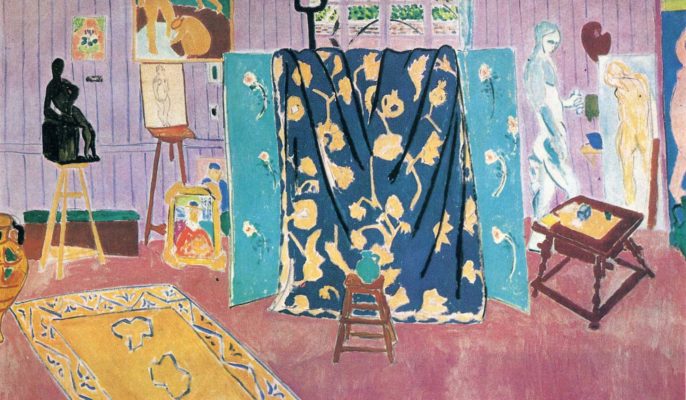
In this 2 part course led by artist Alice Mumford, learn how Matisse used pattern to create the illusion of three dimensions and immerse yourself in the joy of looking and painting in oils.
Everyone Can Draw (1)
Mon 15 Feb 2027 - 1 day
Steven Buckler
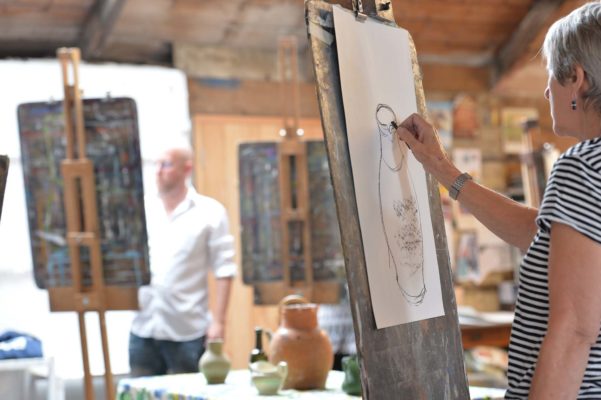
Maybe you are eager to express your ideas on paper, but something is stopping you — a lack of confidence, fear of making mistakes, or not knowing where to start. If that sounds familiar, this workshop is for you.
Changing Tides
Mon 9 - Wed 11 Aug 2027 - 3 days
Kieran Stiles
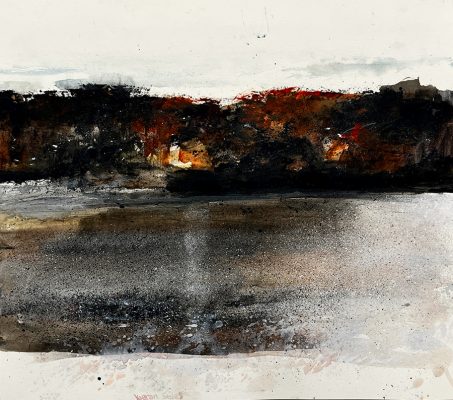
Explore the ever-changing ebbing and flowing of the ocean and learn how to create the effect of light shimmering on water in oils.
Beginners Oil Painting
Mon 15 - Wed 17 Feb 2027 - 3 days
Greg Humphries
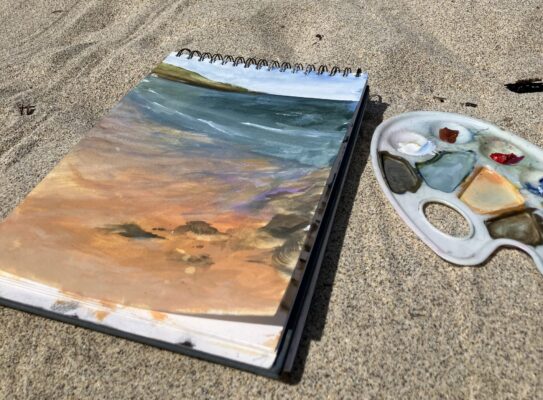
A thorough introduction to this versatile and accessible medium: learn simple and dynamic approaches to painting with oils, responding to landscape and working from still life in the studio.
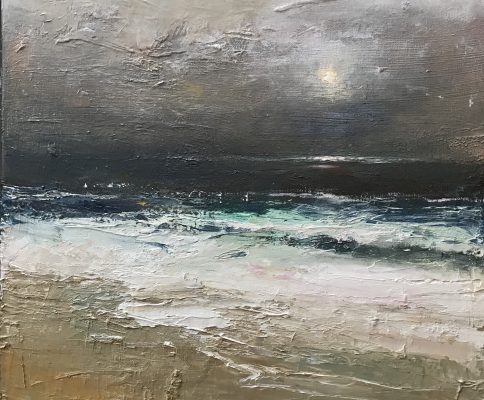
The Thick + the Thin of it: Painting the Ocean
Fri 16 - Sun 18 Jul 2027 - 3 days
Jill Eisele
This course revels in the bounty of materials available to you as a painter. Use differences in texture and viscosity to describe organic coastal forms. Combine sheer washes and sprays with thicker, impasto marks by layering, scraping and saturating, building the dramatic expanse of the sea.
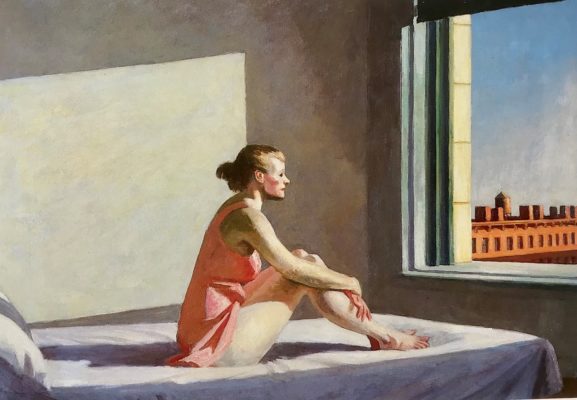
Figure- Edward Hopper
Fri 22 Sep 2028 - 2 hour
Gary Long
Join us for this two hour online figure class inspired by artist Edward Hopper. Recorded from our studio in St Ives with a clothed model.