How to Choose the Right Online Oil Painting Course for You
With the rise of online learning, we now have access to a wealth of oil painting courses at our fingertips. Whether you’re a complete beginner or looking to refine your skills, choosing the right course can make all the difference.
But with so many options available, how do you know which is best suited for you?
We’ve broken down the key factors to consider when choosing an online oil painting course. From understanding your skill level and preferred learning style to evaluating course content, we’ll help you make an informed decision.
Determine your skill level
Understanding your current ability will help narrow down your options, try to gauge one of three levels:
- Beginner: Covers basic techniques, colour mixing, and foundational skills.
- Intermediate: Focuses on refining techniques, composition, and development of style.
- Advanced: Deep dives into professional techniques, advanced brushwork, and development of your own artistic voice.
Define your learning goals
What do you hope to achieve? Are you looking to learn oil painting techniques, maybe a specific subject such as figure or still life, or a more impressionistic style? Clarifying what you would like to learn or develop will help you find a course that’s right for you; or maybe you just feel like giving it a go and taking up a new hobby! If so, a beginners course could be perfect.
Consider the Teaching Format
Like most online learning platforms, we offer courses in varying formats:
- Self-paced courses: Learn at your own speed with pre-recorded videos.
- Live webinars: Interactive sessions including feedback and Q&As with practicing artist tutors
- Hybrid models: A mixture of pre-recorded courses and live webinars
You can view our library of pre-recorded, self-paced courses here, and keep an eye out for upcoming live webinars!
Course content and structure
All learning platforms will offer varying content and structures for their online courses. For example, our Online Oil Painting for Beginners course is self-paced and breaks the content down into five easy to follow chapters, which include:
- Setting Up:
Introduction to the course, including information on brushes and knives, types of supports, painting mediums, and workspace setup. - Colour and Marks:
Discover the painting palettes and mark-making techniques of other artists, and explore the lessons on colour mixing, mark-making and various oil painting techniques. - Still Life Painting:
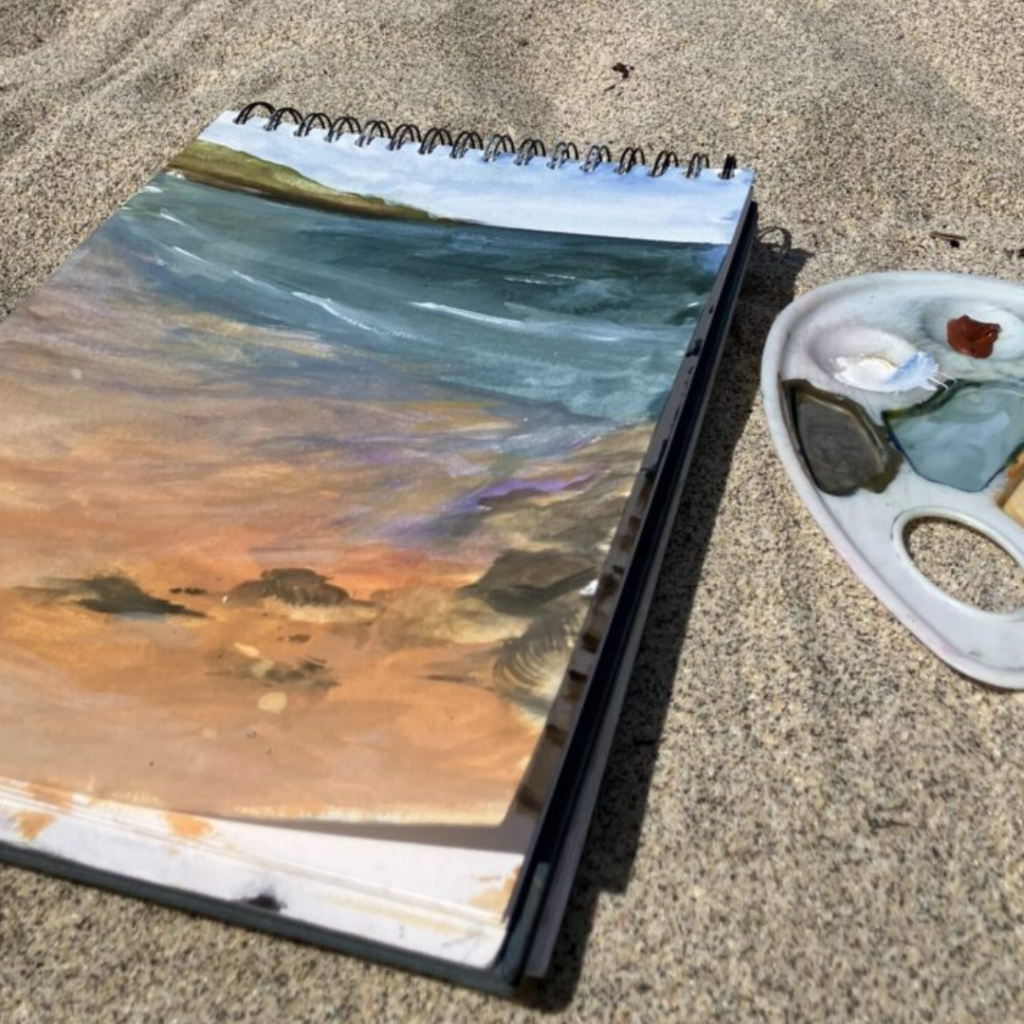
Explore how various artists depict still life, along with lessons on painting grounds, setting up a still life, colour mixing, using a viewfinder, planning a painting, and painting techniques. - Working en Plein Air:
Charcoal drawing techniques and ideas for working en plein air, including preliminary sketching with watercolour pencils and a bonus video on using a pochade box. - Landscape Painting:
Explore how artists interpret landscapes in their artwork, demonstrations on mixing a colour palette for landscape, expressive painting methods, strategies for planning and completing a painting.
Look for Student Reviews and Ratings
Reading feedback from past students can provide valuable insights into course quality, effectiveness, and whether it meets its promises, you can often find testimonials or feedback on the various course pages!
Choosing the right online oil painting course requires careful consideration of your skill level, what you want to achieve, and preferred teaching style. By doing your research and considering these factors, you can find a course that inspires and supports the next step in your artistic journey!
If you are still unsure on what course if best for you, you can always speak to a member of our team on 01736 797180 or email us [email protected]. We’re always here to help.
25/3/2025
Share on
Related Stories
Your Monthly Roundup: May
A monthly round up of the latest news, insights and events. Sign up to our newsletter to receive this update straight to your inbox!
Your Monthly Roundup: June
A monthly round up of the latest news, insights and events. Sign up to our newsletter to receive this update straight to your inbox!
The 8 Best Art Galleries to Visit in St Ives
Drawn by the clear Atlantic light, dramatic coastline and working harbour, generations of painters, sculptors, potters and makers have found inspiration in St Ives – helping to shape the town’s reputation as an internationally recognised art colony. Today, that creative spirit is still very much alive. From major galleries and museums to independents tucked in...