In Conversation: Neil Canning
We’re pleased to welcome artist Neil Canning to our team of artist tutors for 2026! We caught up with Neil ahead of his first studio course taking place in June.
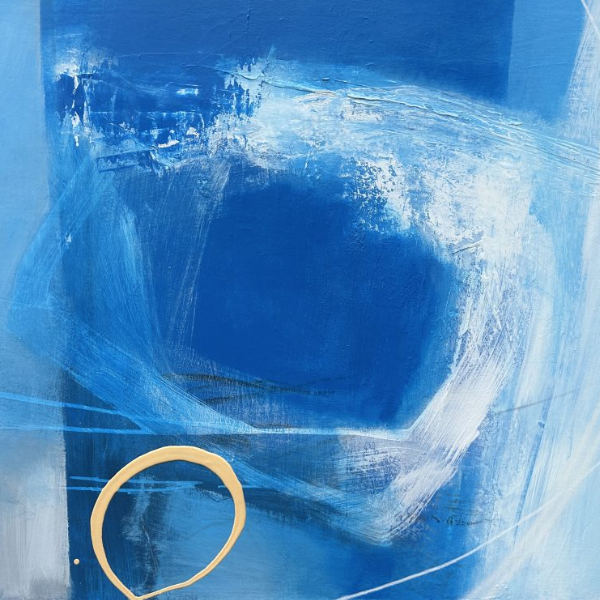
Although on the surface Neil’s work may appear to be quite abstract, it remains very much a part of the landscape/seascape tradition. Rather than taking the traditional approach of a view being recorded from a fixed viewpoint, Neil prefers to give an impression of moving through the landscape and suggest the drama of wind, tides and changing light.
Neil is largely self-taught after deciding not to pursue a conventional art school course. However, he did eventually spend time studying in the studio of a professional artist for three years as well as attending life classes.
What’s a small ritual or habit you have before (or after) you start making art?
Once in the studio I tend to spend some time looking at the work produced in the previous session. Often this involves work(s) in progress and it’s always useful to come in with a fresh eye and assess things. It helps me focus on the day ahead.
What’s your ideal soundtrack whilst you work, or do you prefer silence?
Most of the time I work in silence as I often find music intrusive if I’m really concentrating. When working on larger canvases I may have classical music in the background. If preparing canvases or framing then I tend to listen to BBC Radio 4 or a wide range of contemporary music.
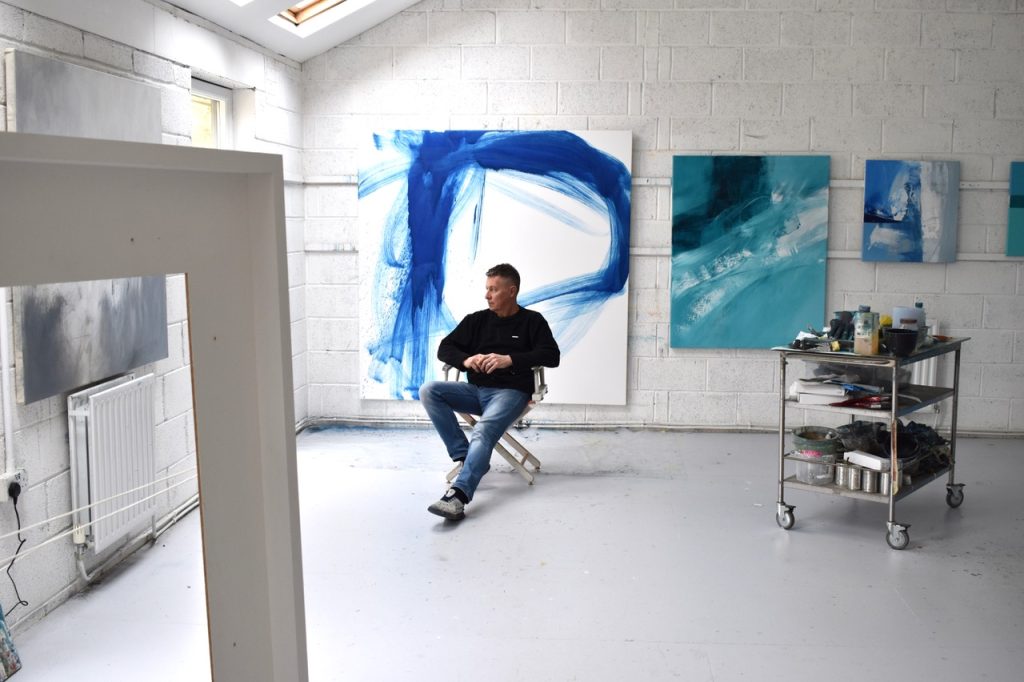
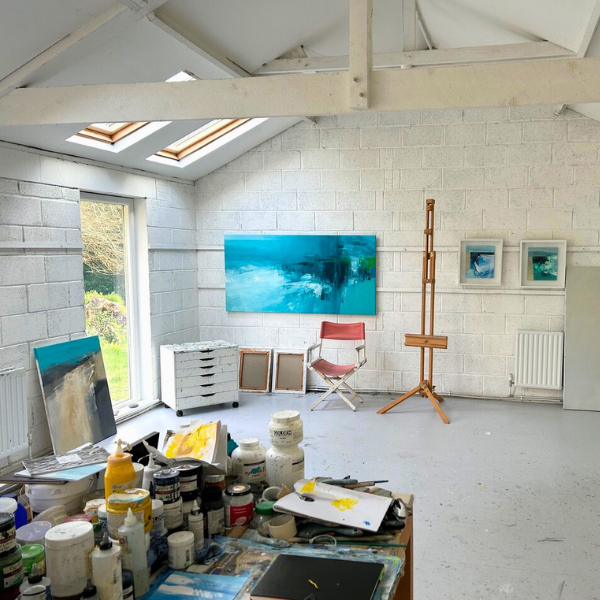
How does your workspace setup influence the way you create?
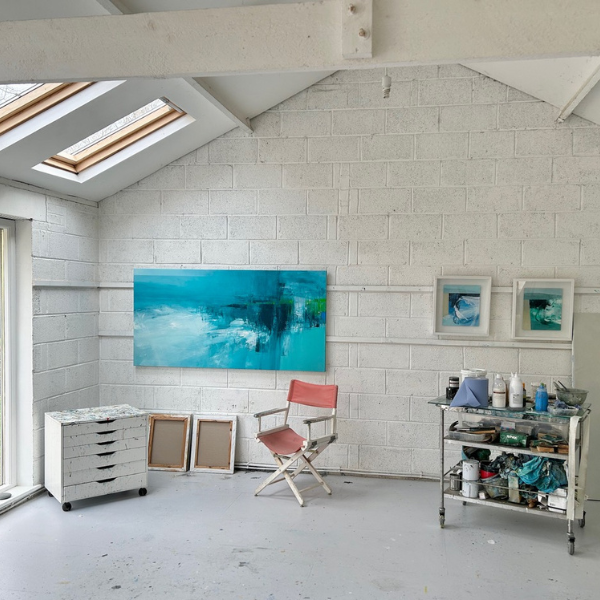
Finished works are all stored in racks which are not in my main working area. This keeps the main studio free specifically for just painting. The end wall has the best light and it’s here that I work on canvases. They hang directly onto the wall and I have the full length of the studio to stand right back to view canvases when necessary.
There are also two large workbenches on wheels which can be moved around. This means the works space is very flexible and can be easily rearranged. All of this allows me to work on many pieces at the same time, maybe as many as 30. Paintings on paper evolve at the same time as canvases and panels.
What do you do when you hit a creative block – push through or step away?
Usually spend time walking, especially near the sea. It helps clear the mind. Sometimes blocks can just be a sign that things need to change. They can often be caused by overthinking. Sometimes the only way is to carry on working through it, never easy.
What’s one lesson you’ve learned that changed how you approach your art?
There are certain times when the work just flows and others when it’s difficult to see the way forward but it’s all part of the process.
If you could spend a day in any artist’s studio (past or present), whose would it be and why?
That is a difficult one. I’m tempted to say Picasso because he was such an iconic figure and visiting him at his chateau in the south of France would have been something. He wasn’t keen on having visitors in the studio though. So I think a trip to California to meet Richard Diebenkorn might be a more welcome visit and he would have been fascinating to talk to about art. Picasso would probably just have talked about himself!
What’s the most unexpected place you’ve found inspiration?
Hong Kong.
Are there non-art influences – films, books, places, people – that shape your work?
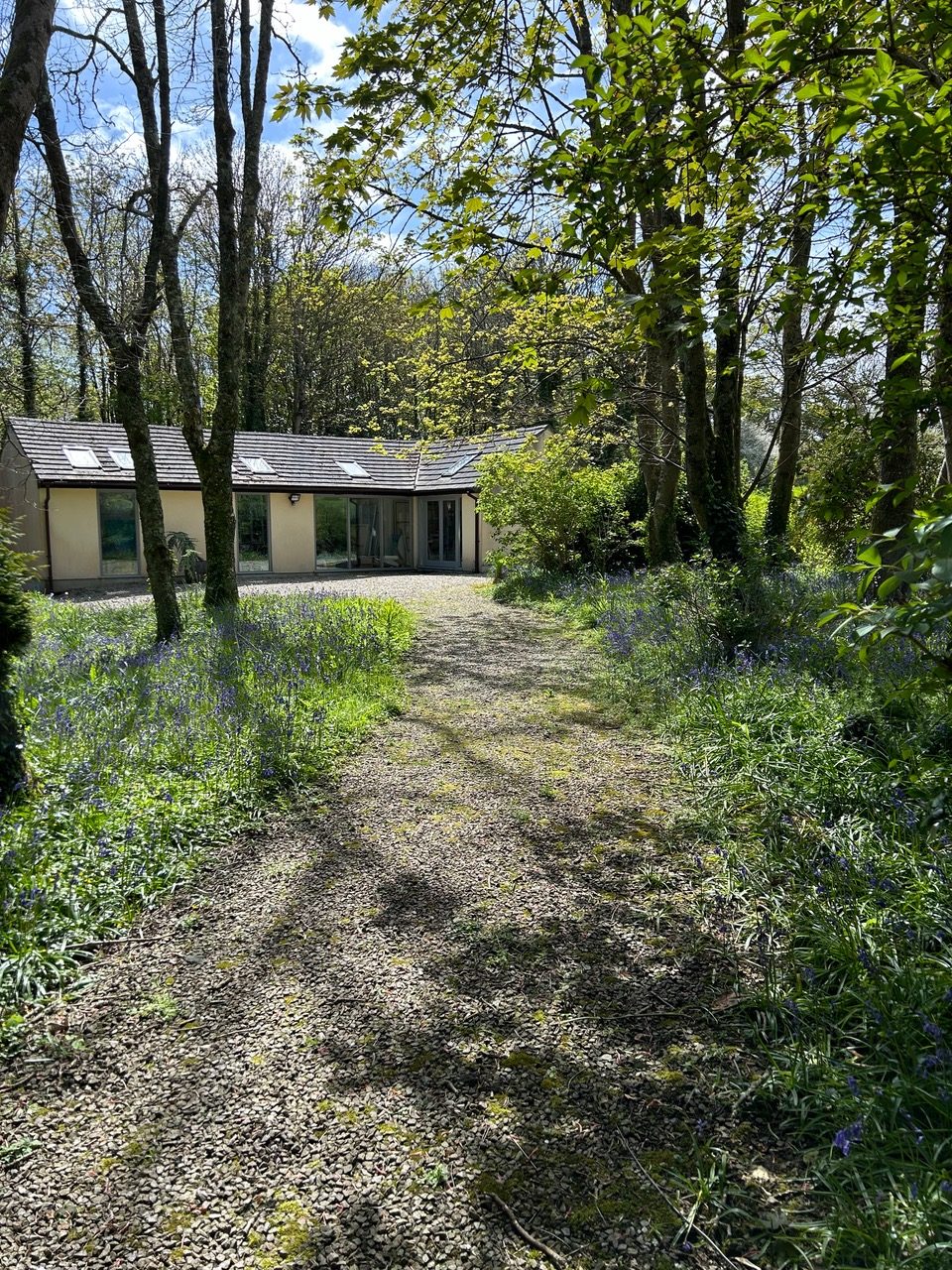
Certain places are very important to me. Cornwall has become my main focus but I find travel usually influences my work in some way, sometimes quite profoundly. It is as much about the culture and history as well as visual stimuli. I read a lot, watch films and at the end of the day it all shapes the thought process in some way.
One piece of advice you would suggest to students or someone interested in art
Observe, think, paint, repeat.
Is there a quote (art-related or not) that you find yourself returning to?
Less is more.
What belief about art or creativity has stayed with you the longest?
Never be complacent. Keep experimenting and moving the work forward.
What’s a creative risk you’re proud you took?
Not always taking the obvious path. Trying to concentrate on creating work that was right for me, not necessarily what was expected.
How has your definition of “success” in art changed over time?
It’s probably important to just concentrate on being true to yourself and creating the best work you possibly can. What many people consider to be ‘success’ is often dependent on connections or opportunities to some extent.
You can see more of Neil’s work on website: neilcaning.com Or join Neil on his course here at St Ives School of Painting: Abstracting Place: From Sketchbook to Painting
14/1/2026
Share on
Related Stories
The Rise of Gelli Printing: Why This Playful Printmaking Technique Is Everywhere
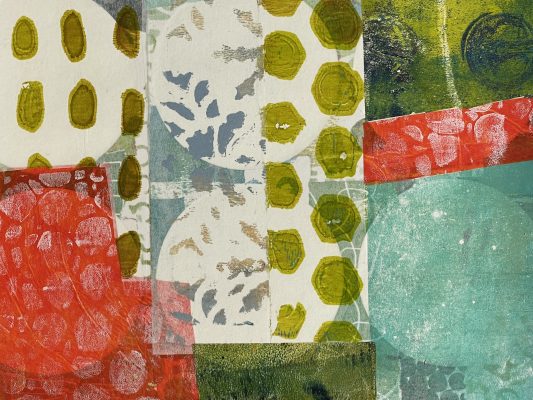
In recent years, Gelli Printing has surged in popularity across the creative world. From professional artists and illustrators to hobbyists, teachers, and journalers, more people than ever are discovering the joy of this accessible and experimental form of printmaking. Scroll through social media or wander into a modern art studio, and chances are you’ll spot...
In Conversation: Laura, Studio Technician
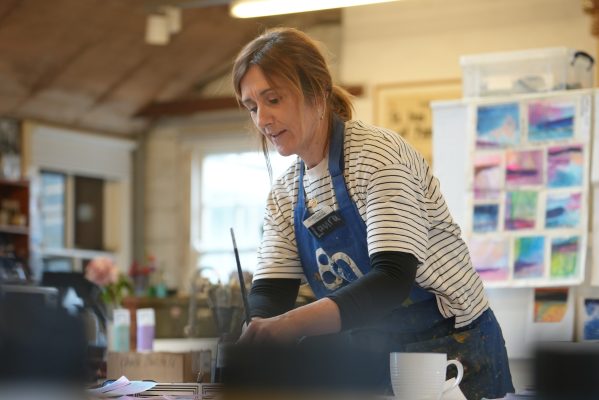
It has been a journey of discovery for Laura since she joined our yearlong Porthmeor Programme in 2019. Since then, she has become a much-loved part of the School, working alongside our Studio Team to help keep the studios running smoothly, while also nurturing young people through creativity and wellbeing. Laura, Studio Technician Life in...
Celebrating our Future Artists
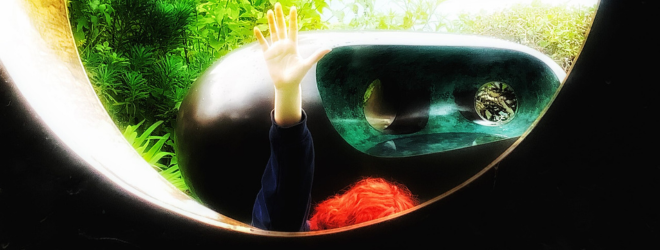
Did you know that every penny of income we receive goes directly back into teaching art and giving local youngsters the opportunity to explore their creativity? Thanks to our donations from you, and investments from our incredible funders, 2024 saw a record-breaking year for our Young Artists Programme. 2024 saw the Young Artist’s programme expand,...