How Art Could Help You Live Longer
5 reasons why staying creative is good for your wellbeing
Creativity is often seen as something reserved for artists or professionals, but in reality it’s a vital part of being human. Whether you paint, write, cook, make music, or simply enjoy learning something new, staying creative has powerful benefits for your emotional and physical wellbeing.
Here are five key reasons why making time for creativity can positively transform how you feel and function.

1. Creativity Reduces Stress and Anxiety
Engaging in creative activities helps calm the nervous system. When you’re focused on drawing, painting, writing, or making, your attention shifts away from worries and into the present moment. This mindful focus can reduce stress levels and quiet anxious thoughts.
Creative expression also provides a healthy outlet for emotions that may be difficult to articulate. Rather than bottling feelings up, creativity allows them to be explored and released in a safe, non‑judgemental way.
2. Improves Mental Clarity and Focus
Creativity encourages deep concentration. Activities such as sketching, journaling, or crafting require sustained attention, which can help improve focus over time. This kind of immersive engagement gives the mind a break from constant multitasking and digital distraction.
Many people find that after spending time being creative, they return to daily tasks with greater clarity, improved problem‑solving skills, and a refreshed perspective.
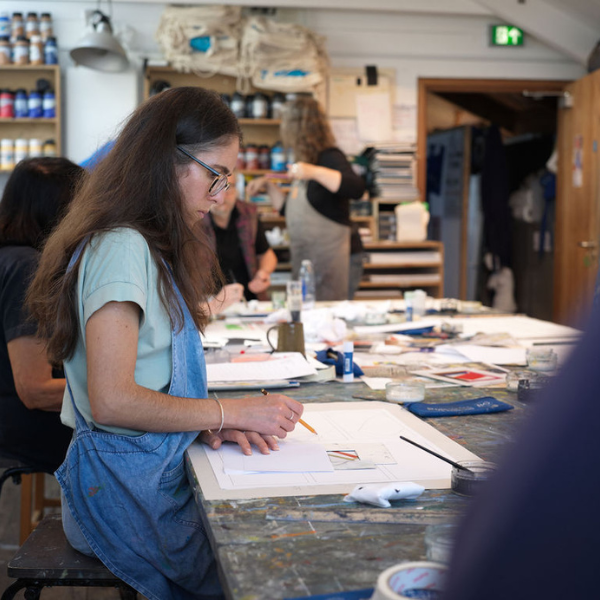
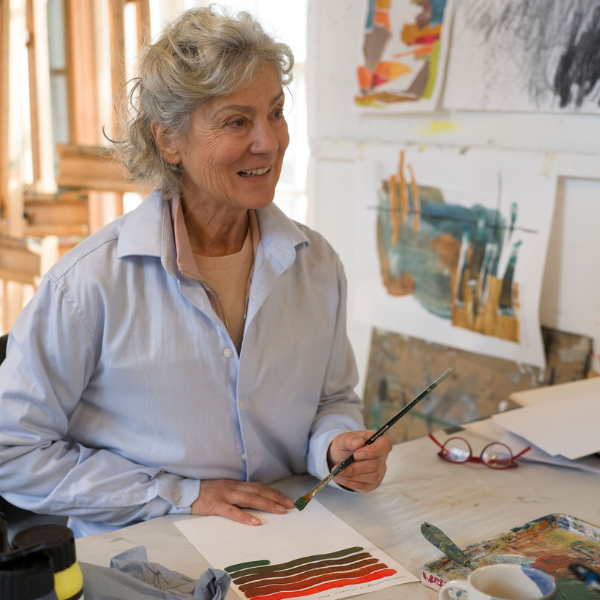
3. Builds Confidence and Self‑Esteem
Creating something, no matter how simple, brings a sense of achievement. Completing a piece of work or learning a new skill reinforces self‑belief and builds confidence.
Importantly, creativity isn’t about perfection. When you allow yourself to experiment, make mistakes, and try again, you develop resilience and self‑compassion. Over time, this mindset can positively influence how you approach challenges in other areas of life.
4. Emotional Wellbeing and Self‑Expression
Creativity provides a powerful way to understand yourself better. Through being creative, you can explore thoughts and emotions that may otherwise remain suppressed.
For many people, creative time becomes a form of self‑care – a space to reflect, process experiences, and reconnect with what matters most. This emotional awareness can lead to greater balance, improved mood, and a stronger sense of personal identity.
5. Creativity Encourages Connection and Joy
Creativity provides a powerful way to understand yourself better. Through being creative, you can explore thoughts and emotions that may otherwise remain suppressed.
For many people, creative time becomes a form of self‑care – a space to reflect, process experiences, and reconnect with what matters most. This emotional awareness can lead to greater balance, improved mood, and a stronger sense of personal identity.
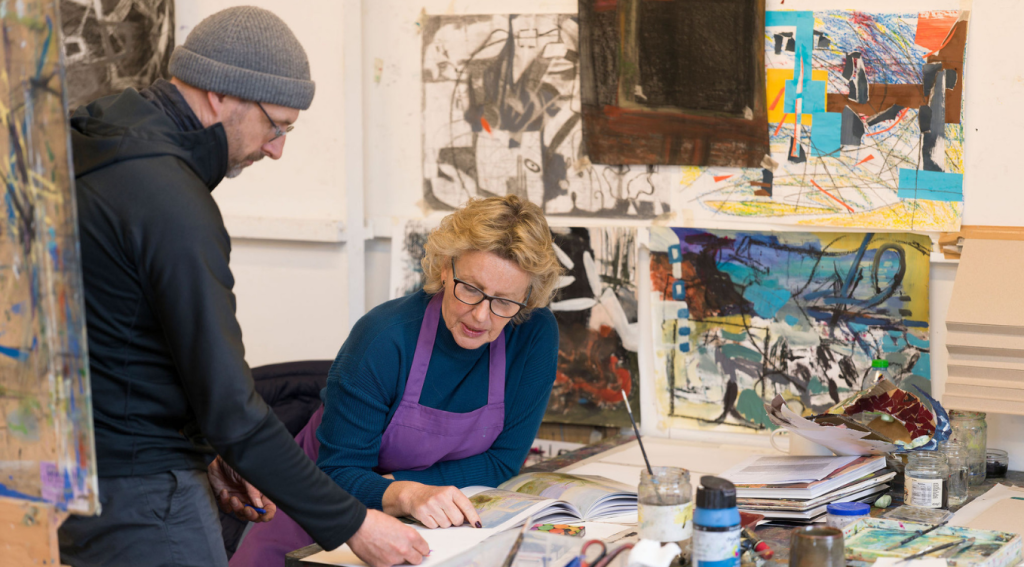
Making Creativity Part of Everyday Life
Staying creative doesn’t require talent, expensive materials, or large amounts of time. Small, regular moments of creativity -whether doodling, writing a few lines, or experimenting with colour – can have a lasting impact on wellbeing.
By giving yourself permission to create, you nurture not only your imagination, but your overall health. Creativity is not an indulgence; it’s a valuable and accessible way to support a calmer, more connected, and more fulfilling life.
13/1/2026
Share on
Related Stories
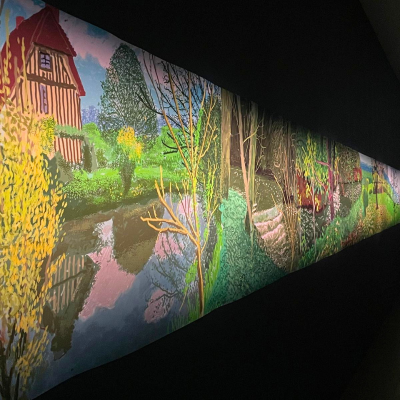
Remembering David Hockney: A Life of Looking
Following the passing of David Hockney, and as we approach what would have been his 89th birthday, we are taking a moment to reflect on the extraordinary legacy of one of Britain’s most influential artists. Born in Bradford in 1937, Hockney’s career spanned more than seven decades, moving through drawing, painting, printmaking, photography, stage design...

How to Choose the Right Online Oil Painting Course for You
With the rise of online learning, we now have access to a wealth of oil painting courses at our fingertips. Whether you’re a complete beginner or looking to refine your skills, choosing the right course can make all the difference. But with so many options available, how do you know which is best suited for...

Your Monthly Roundup: May
A monthly round up of the latest news, insights and events. Sign up to our newsletter to receive this update straight to your inbox!