 St Ives Museum
Marks of the Past: Simple Printmaking into Painting
Painting / Printmaking - Materials included
We haven’t scheduled this course yet. Please email us to register your interest for future availability.
Register InterestCourse details
Exploring the rich visual heritage of St Ives, this course encourages experimental responses in printmaking and painting that honour both history and abstraction, tradition and innovation.
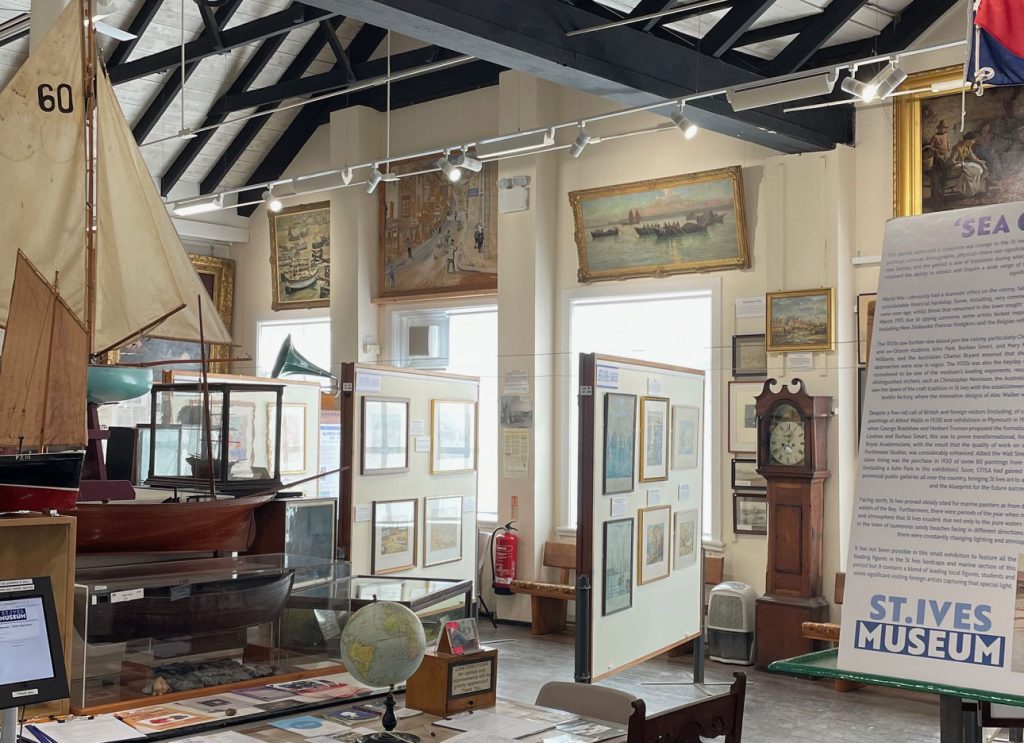
Join artists Liz Luckwell and Hilary Jean Gibson for a four-day creative exploration that draws directly from the rich heritage of St Ives. Using the St Ives Museum as a starting point, we’ll develop visual ideas through sketchbook work, abstraction, and printmaking—culminating in unique paintings that reflect both past and present.
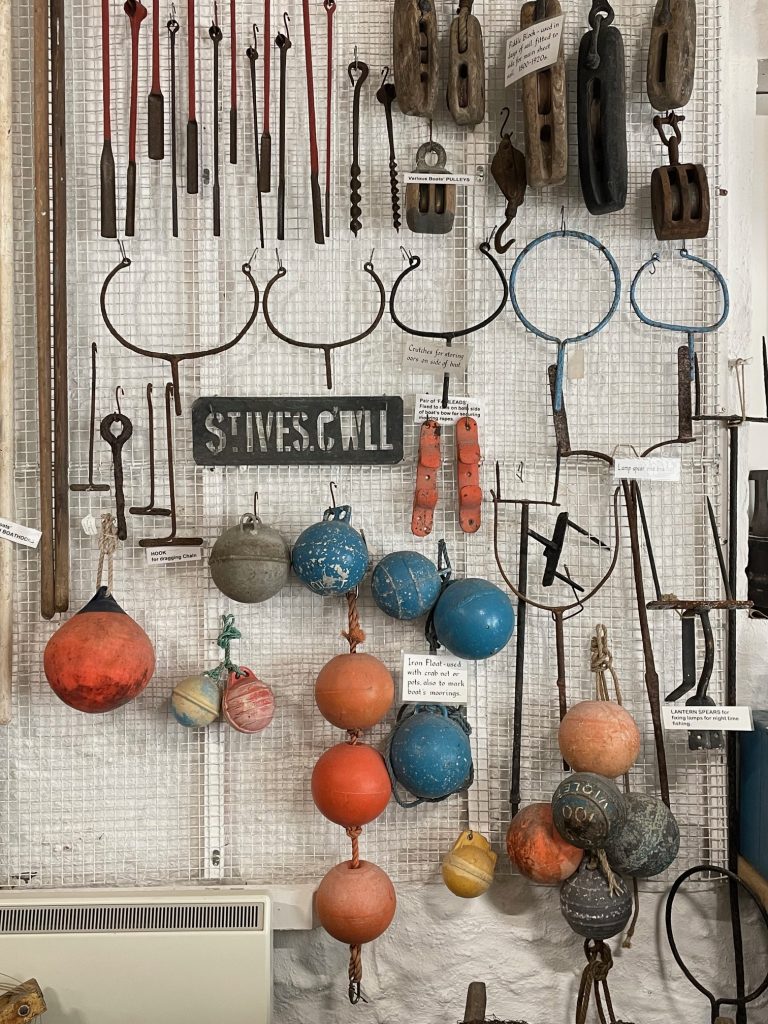
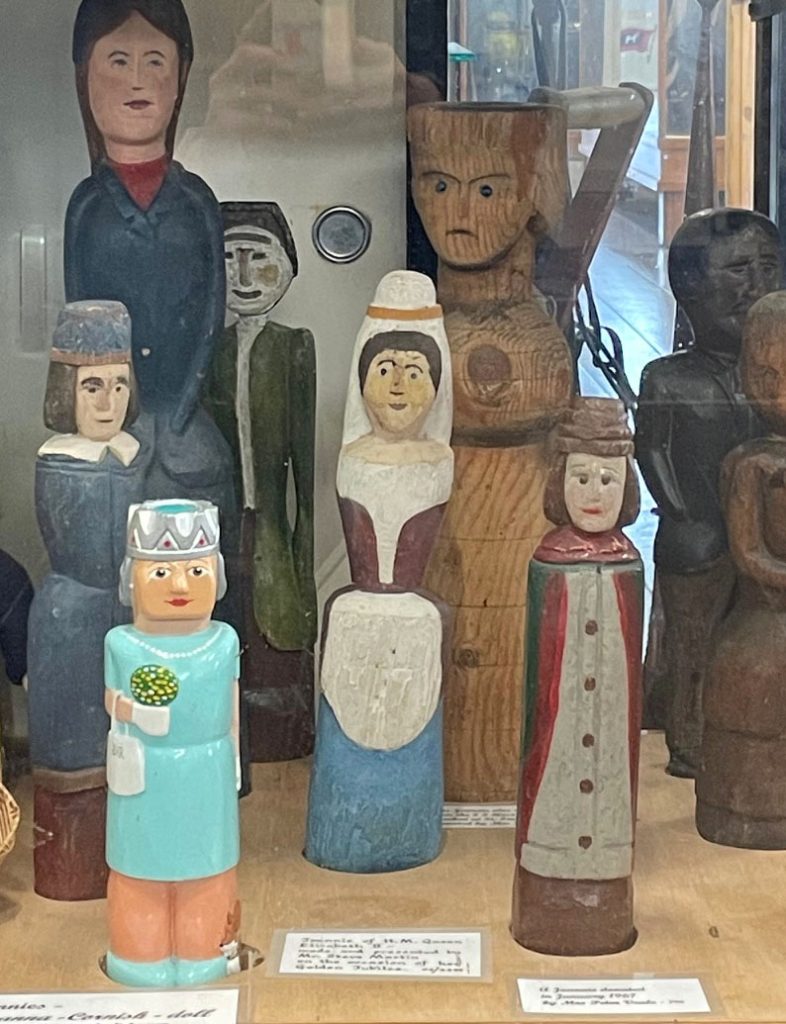
You’ll begin by sketching in the museum, focusing on objects and displays ranging from the Cornish kitchen and pilchard press to mining, fishing, and Crysede silks. Using viewfinders and cropping techniques, you’ll abstract and simplify these observations into strong, dynamic compositions.
The course then splits into two printmaking approaches:
- Liz will guide you through monoprinting, exploring contrast, texture, and the power of positive and negative space.
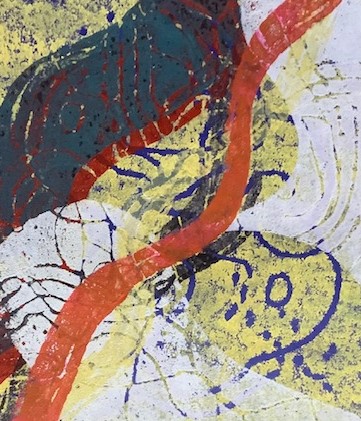
- Hilary will lead you through polyboard printing with layered colour variations, offering a playful and intuitive route into composition and palette development.
Each of your prints—completely unique—will provide the foundation for further exploration in acrylic or gouache, giving you the opportunity to reinterpret and expand your imagery.
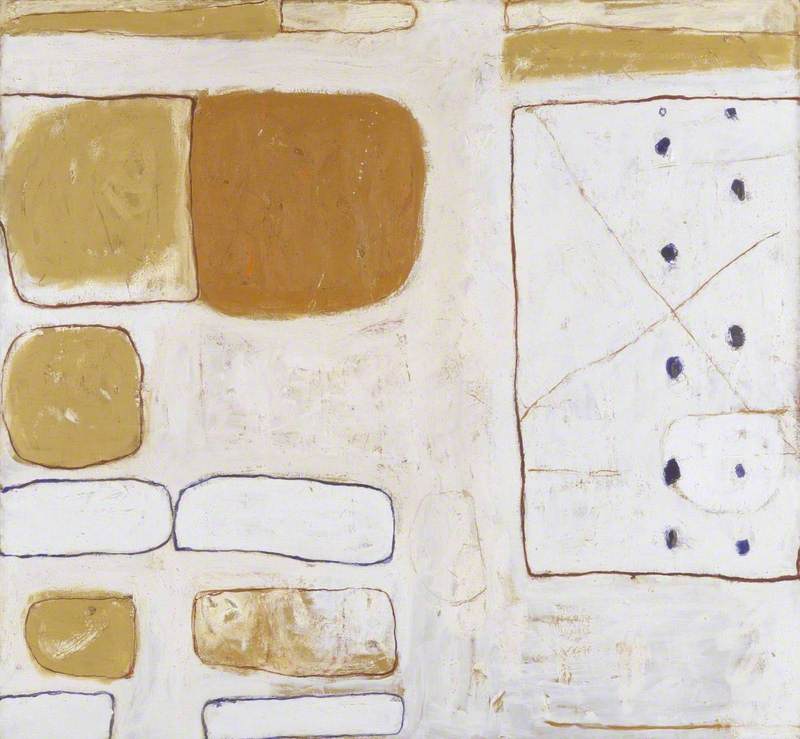
In addition, we will draw inspiration from the work of modernist artists, whose pieces are displayed at Tate St Ives, such as William Scott, Terry Frost, and Bryan Wynter. These artists are known for abstracting forms, colours and patterns from everyday objects and coastal life.
Day to day plan
This is a rough indication of what to expect over the course.
However sometimes the structure of the days may alter depending on the nature of the group and weather.
Day 1
Liz will begin by taking you to the St Ives Museum to explore and draw with pencil and charcoal. Back in the studio, she will introduce you to monoprinting, working from both large and small sections of your drawings. Experiment with a range of techniques, including the use of stencils, to create unique one-off prints. Throughout the session, Liz will draw inspiration from the work of the St Ives modernists, particularly William Scott.
Day 3
Hilary will guide you through another area of the St Ives Museum, where you’ll create drawings in pencil and pen. Back in the studio, these studies will form the basis for polyboard prints—a process similar to lino printing. You’ll develop unique, one-off prints in a range of colours, layering them to produce dynamic patterns and textures. Throughout the session, Hilary will also reference the work of St Ives modernists, including Terry Frost and Bryan Wynter.
Day 2
Working from the monoprints made the previous day as your reference, you’ll begin to develop a series of paintings using acrylics and pastel. This session will allow you to build on the shapes, textures, and ideas within your prints as you experiment with colour, layering, and mixed-media techniques.
Day 4
Referring back to yesterday’s polyboard prints, we will abstract and enlarge selected elements to develop them into new compositions, working in either acrylic or gouache. This session will give you the chance to translate your print work into visually engaging paintings while exploring colour and form.
What will I learn?
- Develop observational drawing skills inspired by the visual heritage of St Ives.
- How to simplify and re-interpret visual information using viewfinders and cropping techniques.
- Gain hands-on experience with mono-printing and poly-board printing.
- Key principles of positive/negative space, contrast, and layering in printmaking.
- Explore connections between modernist abstraction and everyday objects, informed by artists such as Terry Frost, William Scott, and Bryan Wynter.
- Leave with a series of original prints and paintings, plus a sketchbook of ideas.
Who would this course suit?
No previous printmaking experience is necessary—just curiosity and a willingness to experiment. This course is ideal for anyone interested in exploring simple, hands-on printmaking techniques, whether you are a beginner or an experienced artist looking to reconnect with playful, process-led approaches.
Taught by
What to Bring
Our studios are fully equipped and we provide you with all the materials you need for your course. However, if you have a favourite set of brushes or any specialist materials that you would prefer to use, please bring them with you.
Timings and Breaks
The first day starts at 10am and finishes at 4.30pm, please aim to arrive ten to fifteen minutes before the start time.
All course days after that start at 9.30am and finish at 4pm and there will be an hour for lunch. There are plenty of nearby places to eat and we will serve tea and coffee at break times during the day.
FAQs
Art Courses
Do I need any previous art experience?
Not always. We offer courses for all levels, including complete beginners, intermediate students and more experienced artists. You can look for the experience level listed on the individual course page to find the most suitable option for you. If you need any guidance on what course might suit you best, contact on our friendly team on 01736 797180 and they will be able to help.
Art Courses in St Ives
How do I log in to my online account?
To log in to your account, please follow these steps:
- Go to our website: www.schoolofpainting.co.uk
- Click on the ‘Log in’ button (usually found near the top right of the page)
- Enter the email address and you used when booking
- Click “Log in” to access your account
Once logged in, you’ll be able to view your bookings, outstanding payments, online courses and any relevant account information.
If you’ve forgotten your password, simply click ‘Forgot password?’ on the login page and follow the instructions to reset it.
If you have any trouble accessing your account, please email us and we’ll be happy to help.
Do you offer art classes for children and teenagers?
Yes. Our Young Artists Programme includes art workshops for children and teenagers, with sessions designed for different age groups. During the summer, we also run creative workshops for children aged 7-13.
How large are your art classes?
Our studio courses are taught in small groups of around 10 to 12 people, allowing tutors to provide individual guidance alongside group demonstrations and discussions.
What is included in an art course?
Course fees include professional tuition from a practising artist and use of the School’s studio facilities. Materials and equipment are all included in our in person courses, workshops and life drawing sessions – so you can just turn up and get started. Teas and coffees are also provided throughout the day.
Can I attend an art course on my own?
Absolutely. Many students come to St Ives School of Painting independently. Courses offer a welcoming and sociable environment, with plenty of opportunities to meet other people who share an interest in making and learning.
Do you offer beginner painting courses?
Yes. Our programme includes beginner-friendly painting courses covering materials such as oils, acrylics and watercolours. These courses introduce you to essential tools and techniques while giving you plenty of time to practise and explore your own ideas.
How do I choose the right art course?
Start by considering how you would like to work. You may want to learn a particular medium, improve a skill such as drawing or colour mixing, explore a subject such as landscape or still life, or develop a more personal approach. Each course page explains the content, materials, level and teaching approach to help you decide. Our friendly, helpful team are always available to help further.
Please call us on 01736 797180 to discuss your options or email [email protected].
Who teaches your art courses?
Our courses are led by practising artists – including Jill Eisele, Alice Mumford, Iona Sanders and Neil Canning – all with extensive knowledge of their chosen subjects and materials. Each tutor brings their own artistic experience, working methods and approach to teaching, giving students the opportunity to experience a wide range of ideas and techniques.
How do I get my work home?
Tutors have special techniques for transporting oil paintings and for our 3 day courses we will give you a plastic folder with a handle. These are also available to purchase for £3.50 or do bring a portfolio.
Please note: For the course Bigger, Bolder, Braver with Boo Mallinson, we will provide a large A1 size plastic folder for your work but please consider how you will be able to transport the larger canvases home safely before signing up for the course as we will not be able to store large paintings in the studio. On this course you will be painting on a 50cms x 50cms and a 1m x 1m canvas alongside smaller pieces.
For international students we are happy to arrange transportation of your work back home, postal costs will be borne by you.
What times do courses run?
Most of our courses start at 10am and end at 4.30pm on the first day. Subsequent days we start at 9.30am ending at 4pm.
Short workshops start at 10am in the Summer and 9.30am/ 1.30pm during September festival
In Person Courses
What art courses do you offer in St Ives?
We offer a varied programme of art courses in St Ives, including painting, drawing, printmaking, mixed media and life drawing. You can choose from one-day workshops, short summer sessions and more immersive three- and four-day studio courses. We also offer longer development courses for those looking to take their practice to the next level.
What do I need to bring?
You don’t need to bring anything with you unless we specify beforehand. All materials, aprons and tools are provided, however some people do like to bring along their favourite set of brushes or sketchbooks.
What do I do for lunch?
Courses allow an hour’s break for lunch and there are numerous places nearby or you are welcome to bring a packed lunch into the studio.
Can I bring my dog?
The studios are busy places with lots of equipment and not suitable for bringing a pet dog. We can accommodate assistance dogs with prior notice so we can make suitable adjustments. If you wish to bring an assistance dog please call 01736 797180 or email [email protected]
Choosing an Art Course
Do you run life drawing classes in St Ives?
Yes. We hold regular life drawing sessions in St Ives, including Thursday evening and Saturday morning classes. These welcoming, tutored sessions are open to a range of experience levels and provide an opportunity to practise drawing from a life model. Our life drawing sessions are held just a 5 minute walk from our studios at The Island Centre.
Do you offer art courses for adults?
Yes. We run art classes and courses for adults throughout the year, from accessible introductory workshops to more intensive courses for people looking to deepen their creative practice.
What types of painting can I learn?
Our courses cover a wide range of approaches, including oil painting, acrylic painting, watercolour, gouache, landscape painting, still life, portraiture and abstraction. We also offer courses exploring colour, composition, mark-making and creative confidence.
You might also like...
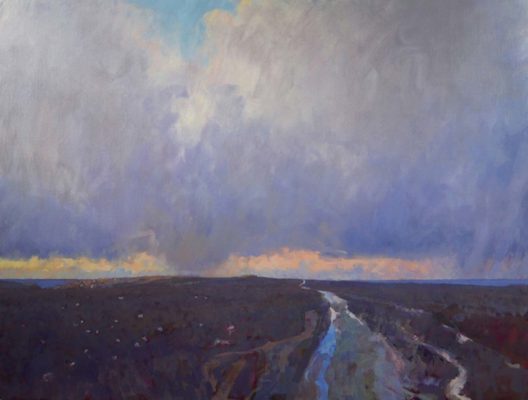
Painting Clouds
Sun 3 Jan 2027 - 3 parts + resources
Tom Rickman
Learn how to capture the shifting drama, light and atmosphere of the sky and discover how clouds can transform a landscape and become the focus of a powerful painting.
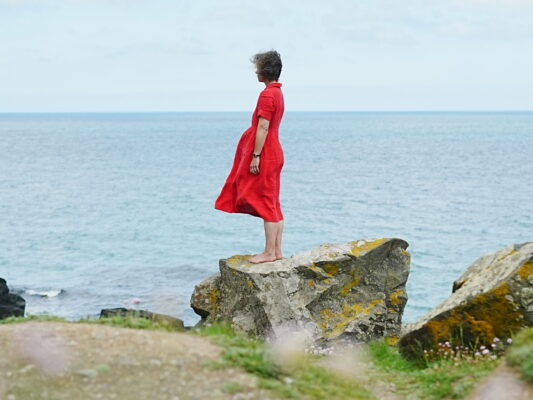
Figure on a Rock - Inspired by Dame Laura Knight (rec)
Thu 11 Feb 2027 - 2 part pre-recorded
Gary Long
Join artist Gary Long for an inspiring two-part webinar, where you’ll explore techniques for drawing and painting the human figure within a landscape. The sessions will feature scenic footage evoking the landscapes depicted by Dame Laura Knight in the early 1900s.
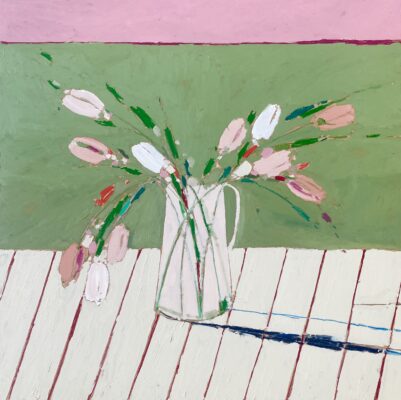
Still Life: Colour + Composition (rec)
Thu 7 Jan 2027 -
Martha Holmes
We welcome back Martha Holmes into the studio, for what will be a captivating insight into how she approaches the subject of ‘still life’, which has recently become one of her main painting focuses.
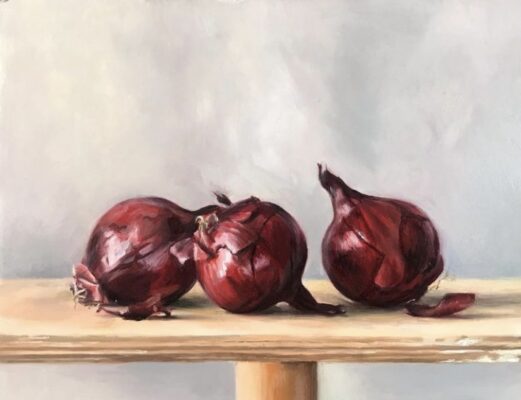
Painting Still Life in Oils
Mon 16 - Wed 18 Nov - 3 days
Emily Roberts
Craft a striking layered oil painting that evokes depth and volume through the masterful use of texture, colour, and chiaroscuro.
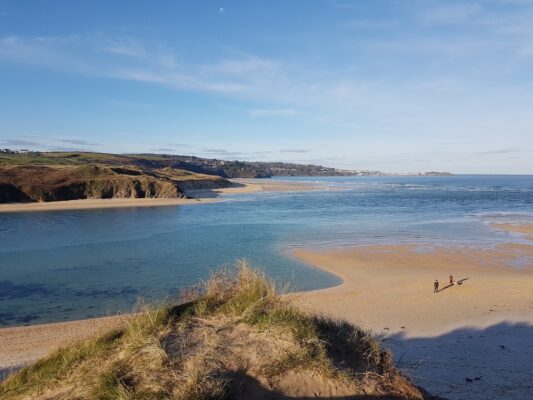
Coastal Senses - St Ives Bay
Thu 11 Feb 2027 -
Victoria Gillow
Local artist, Victoria Gillow, shares new ways of working to inspire your creative process and help you paint the places you love. Discover techniques to create vibrant and expressive paintings.
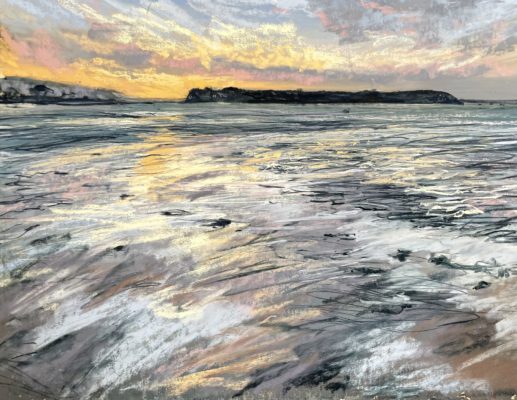
Pastel Painting - Seascapes (rec)
Thu 11 Feb 2027 -
Nina Squire
In this two-part webinar series, Dorset based artist, Nina Squire, shows you different ways of working with soft pastels to create painterly dynamic seascapes.
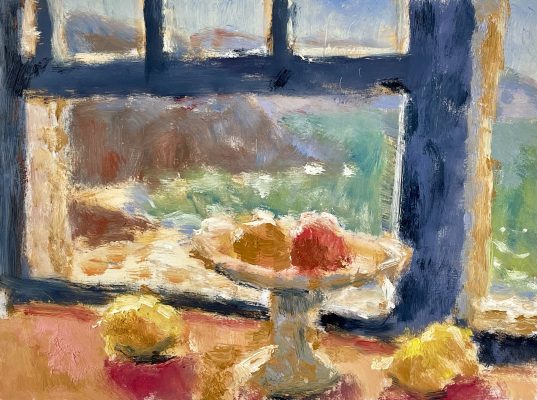
Colour, Light + Depth In Painting
Mon 8 Feb 2027 -
Alice Mumford
Would you like to explore colour more deeply? Join Alice Mumford to see how the shifting relationship between light, space and our point of view transforms the colours we see. Come on the journey to translate that understanding into paint.