Remembering David Hockney: A Life of Looking
Following the passing of David Hockney, and as we approach what would have been his 89th birthday, we are taking a moment to reflect on the extraordinary legacy of one of Britain’s most influential artists.
Born in Bradford in 1937, Hockney’s career spanned more than seven decades, moving through drawing, painting, printmaking, photography, stage design and digital work. Yet, across every medium and every chapter of his life, one thing remained constant – his deep curiosity about how we see the world.
For Hockney, looking was never passive. It was active, and full of possibility. Whether he was studying the human figure, painting the Californian light, reimagining the Yorkshire landscape or exploring new perspectives through iPad drawings, his work encouraged us to look longer and more freely.
The foundations: drawing, observation and the figure
Before the swimming pools, vivid landscapes and the bold experiments with perspective, there was drawing.
Hockney’s early figure drawings reveal the foundations of an artistic career built on close observation. These works show his ability to capture not only the form of the body, but the character and essence of the person in front of him.
In his early drawings, we can see the importance of line – direct and full of confidence. They remind us that drawing is not a preliminary stage before painting, but a way of thinking. Through drawing, Hockney developed his eye, his hand and his distinctive way of interpreting the world around him.
There is a sensitivity in these works that feels very different from the bold colour and scale we often associate with Hockney, but the same qualities are already there – close attention and a deep interest in how we experience people and space.
The teaching of drawing is the teaching of looking. A lot of people don’t look very hard.
David Hockney
Colour, landscape and changing perspective
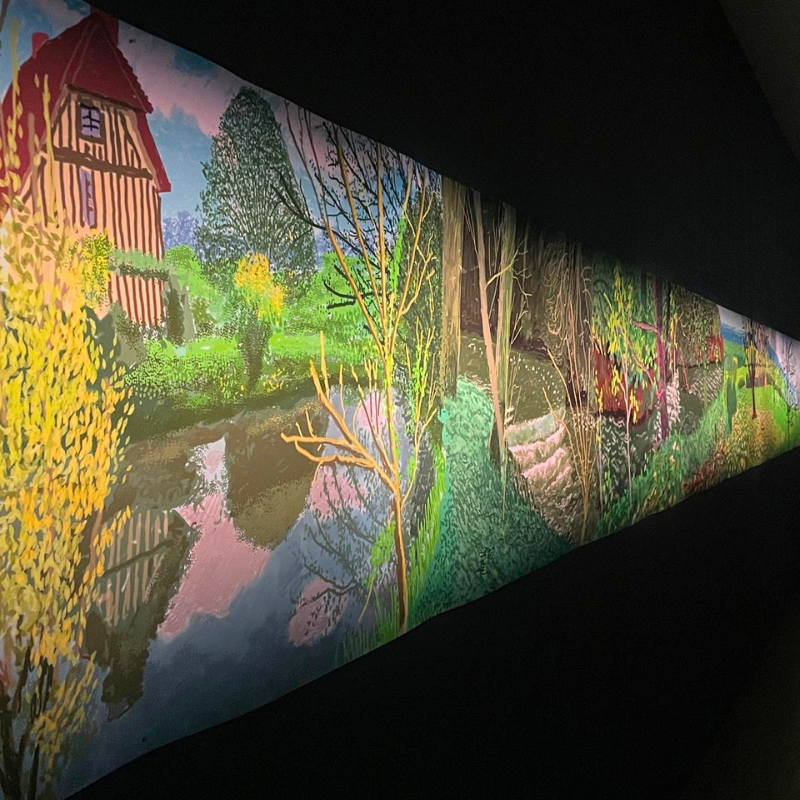
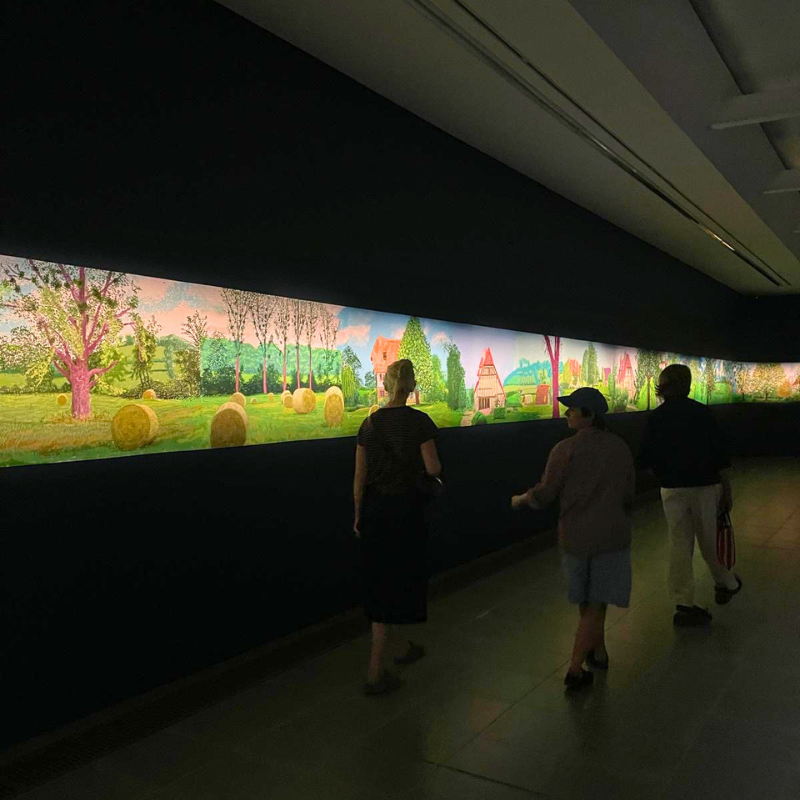
Later in his career, Hockney continued to return to landscape, bringing the same spirit of investigation to trees, fields, skies and changing seasons.
His landscapes are instantly recognisable for their vivid colour and sense of movement. Rather than recording what was in front of him, Hockney used colour to heighten experience. Roads curve, trees pulse with energy, and the landscape seems to open out in multiple directions at once.
Perspective was central to this. Hockney questioned the idea that there is only one fixed viewpoint from which to see an image. Instead, he explored how our eyes move, how we take in a scene over time, and how a painting can reflect a more active, embodied way of looking.
The eye is always moving; if it isn’t moving you are dead. The perspective alters according to the way I’m looking, so it’s constantly changing.”
Hockney on Perspective
From the human figure to the landscape, Hockney’s work shows an artist constantly returning to the question of how we see. His subjects changed, his methods evolved, and his use of technology expanded, but his curiosity remained the same.
Explore Hockney’s landscapes from the 00’s – from Early Blossom, Woldgate to Late Spring Tunnel.
For anyone drawing or painting, or thinking about drawing or painting, this is perhaps one of the most inspiring parts of his legacy: the idea that looking is never finished. There is always another way to see, another viewpoint to explore, another colour relationship to discover.
Explore Hockney’s Way of Looking
If you would like to find out more about Hockney’s approach to drawing, colour and perspective, we have two online courses inspired by different areas of his work.
The Figure: Inspired by Hockney taught by seasoned artist, Gary Long, looks at his earlier figure drawings, exploring line, observation and the foundations of his artistic language. See how to capture the essence of the model through a series of quick exercises and then a longer, more focused piece.
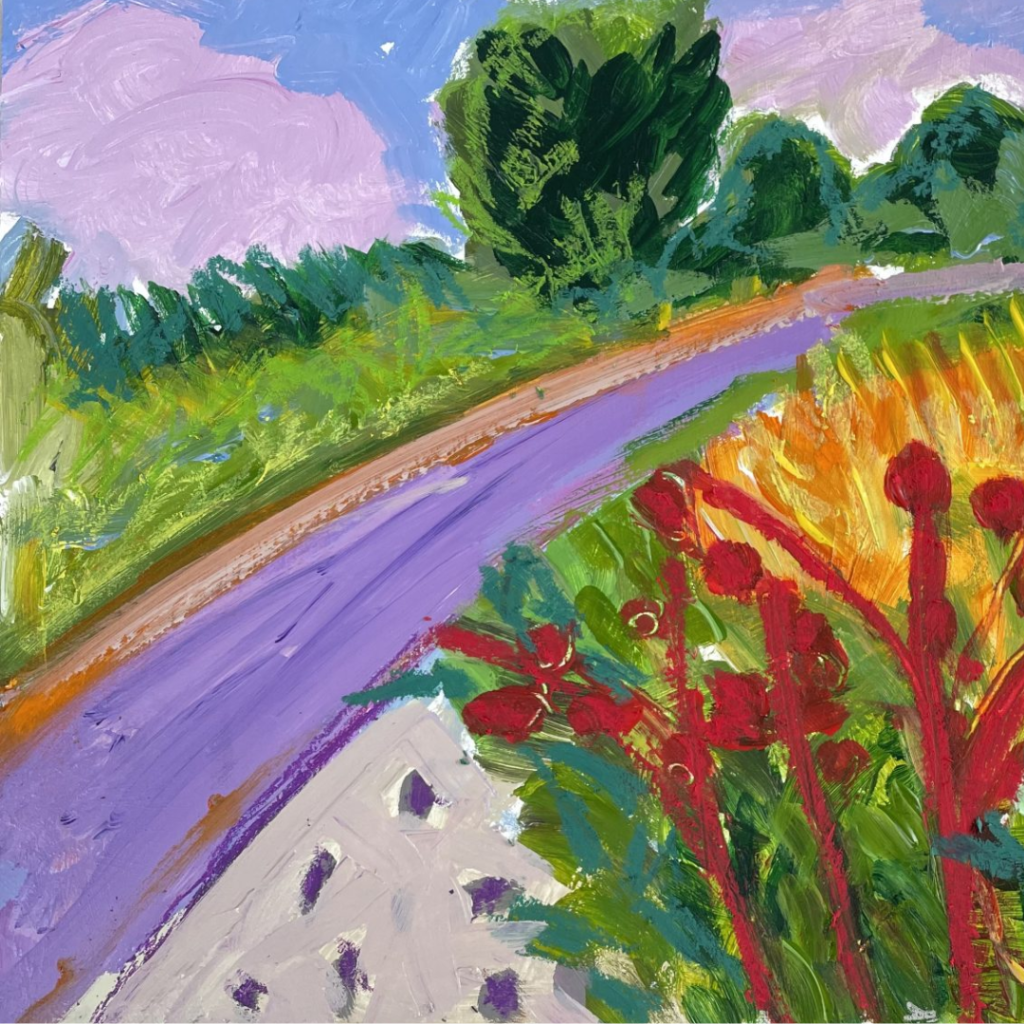
Our second Hockney-inspired course forms the fourth part of June’s Online Art Club – a special final session with Iona Sanders which honours Hockney following his passing – focusing on his landscapes, bold use of colour and shifting perspectives, looking at how he continued to challenge and expand the way we see the world.
Together, these two courses offer a way to look more closely at Hockney’s work, and to explore how his ideas might inspire your own drawing and painting.
2/7/2026
Share on
Related Stories
The Wall Street Journal: A Brush With St. Ives
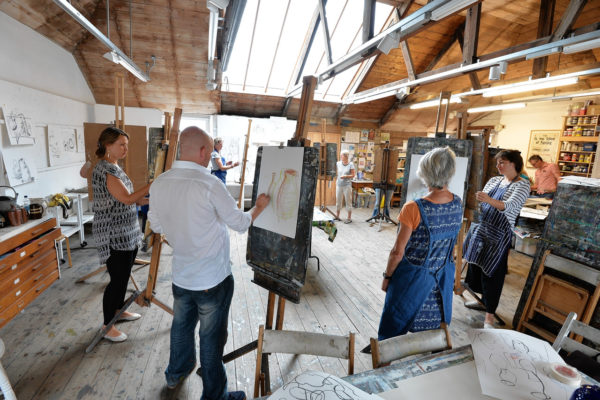
As seen in… Anne-Marie Conway visits St Ives and joins us at the School of Painting to experience art lessons in Cornwall, in our stunning location above the beach during the quieter months. “Tape the paper down on your clipboard, you don’t want it blowing away,” advised our tutor, Liz Luckwell, as she led us out...
The Independent: Barbara Hepworth's St Ives
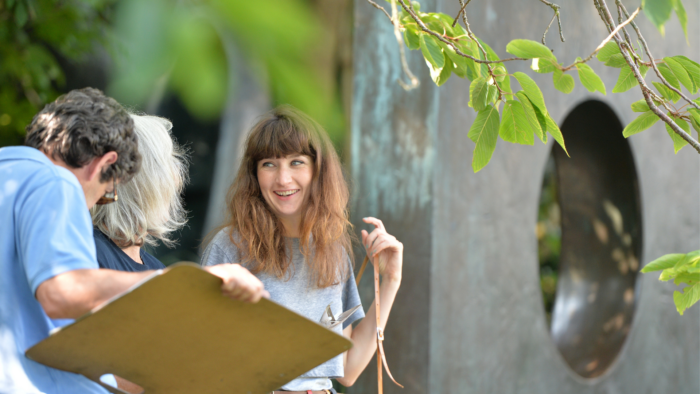
As seen in… Words by Jonathan Lorie As a major exhibition of the British sculptor opened, Jonathan Lorie travelled to St Ives, the town that inspired Barbara Hepworth, to feel its draw for himself. “Are you OK to get a bit mucky?” asks the drawing teacher as he hands me a stick of charcoal on...
The Turning Point: How St Ives School of Painting Survived + Evolved
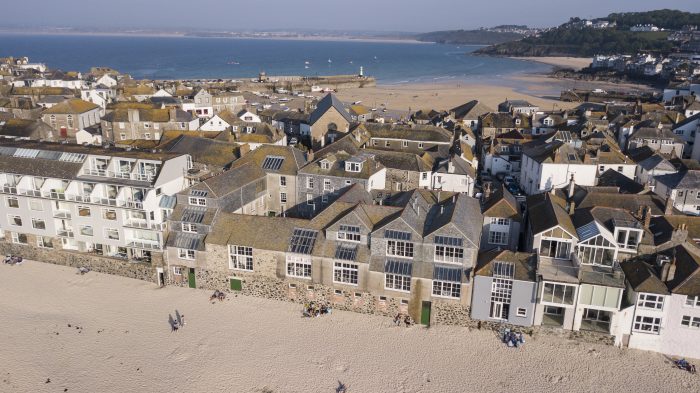
Through our new short film, The Turning Point, we explore a pivotal period in the School’s history: from its founding in 1938 to its decline, renewal and continuing purpose today.