From Coast to Canvas: How to Capture St Ives in Spring
There’s no doubt that artist’s have long been drawn to the challenge of painting coastal landscapes.
Evoking a range of emotions, from the tranquillity of a calm beach at sunset, to the power of the waves crashing against the cliffs or rocks; there is something inherently mesmerising about the meeting of land and sea.
Here in St Ives, we are surrounded by ever-changing seascapes and landscapes, with the dramatic cliffs on The Island off Porthmeor beach, to the golden beaches and dynamic harbour. Whether you are a seasoned painter or a beginner, capturing the essence of the St Ives coast can be both rewarding and challenging.
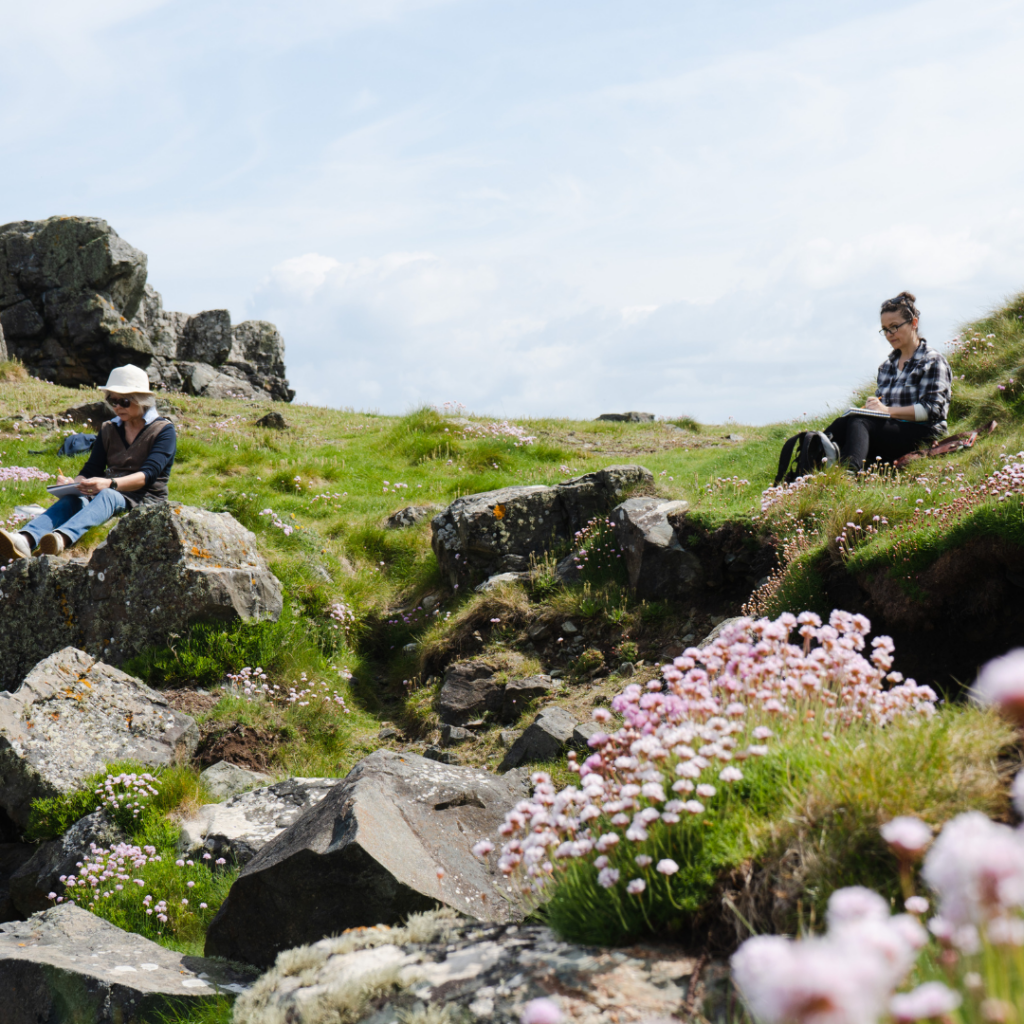
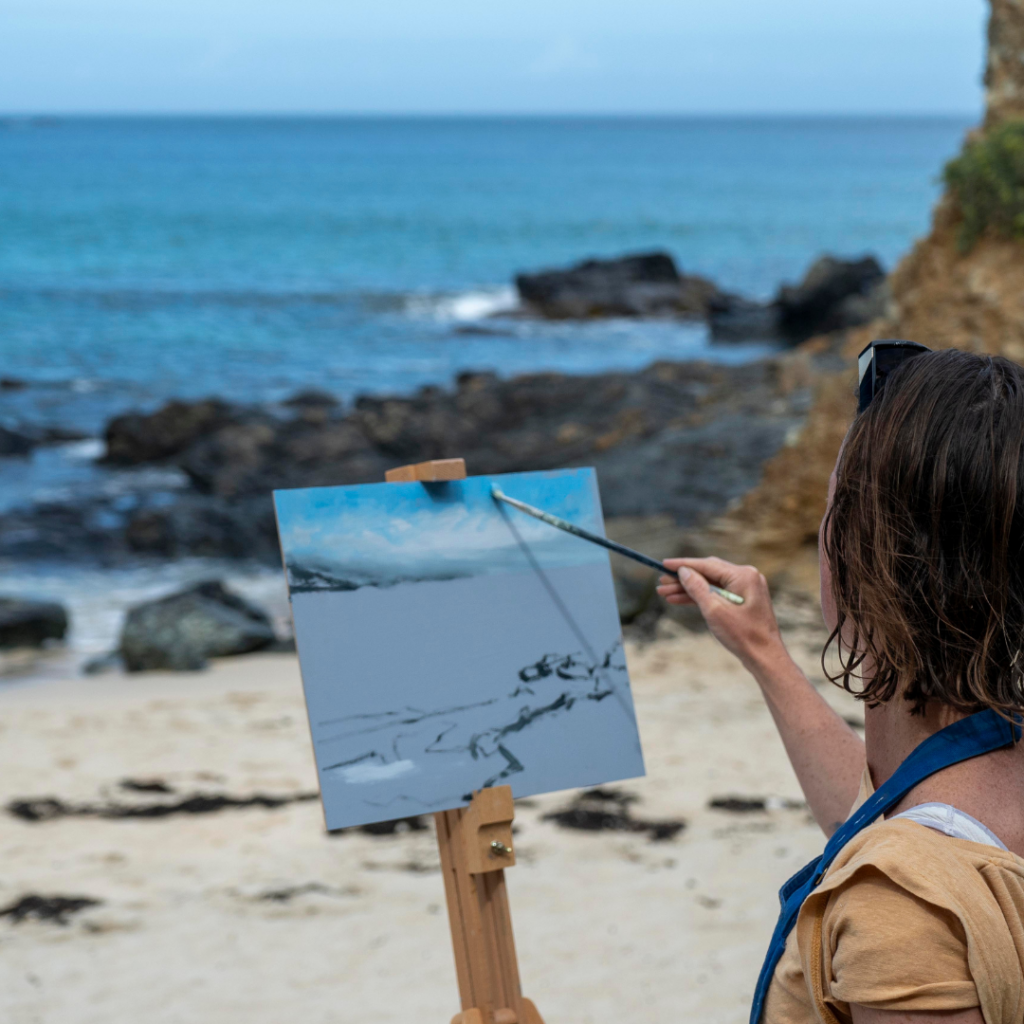
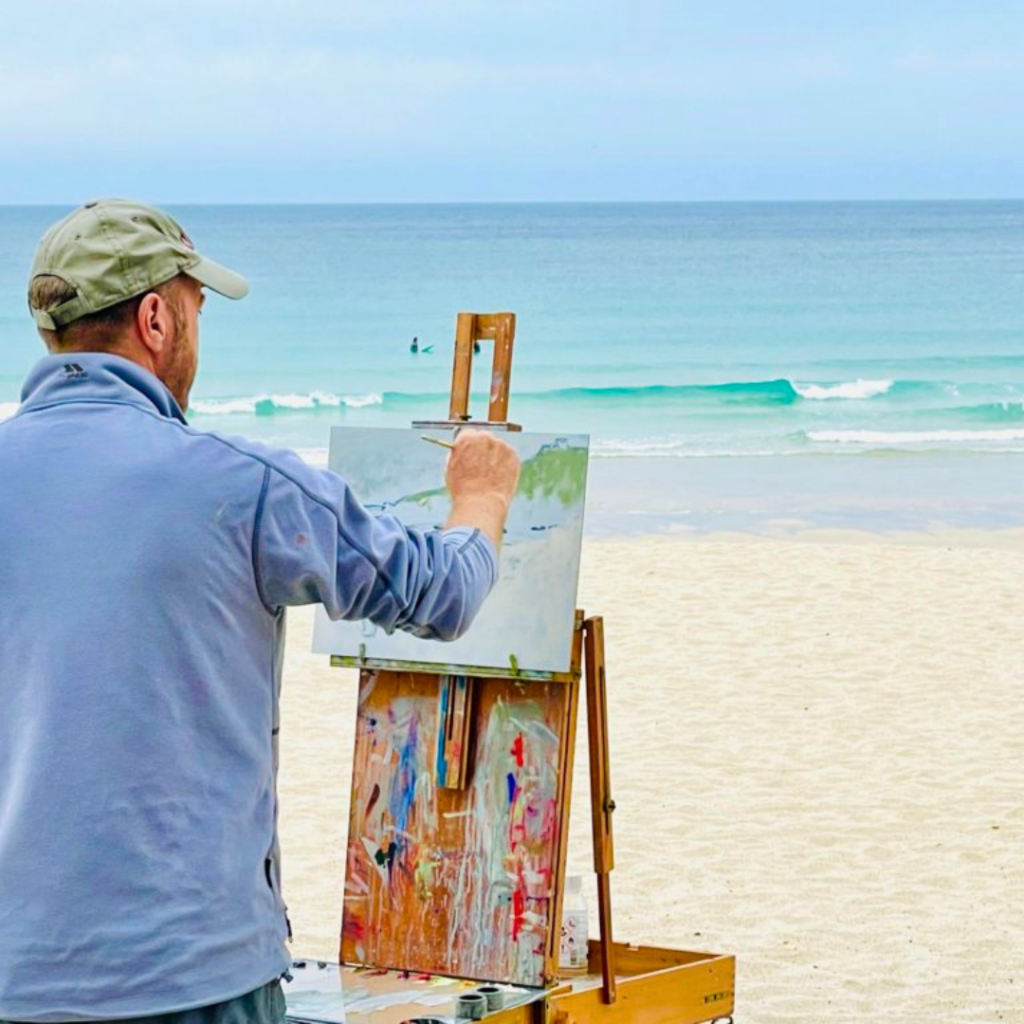
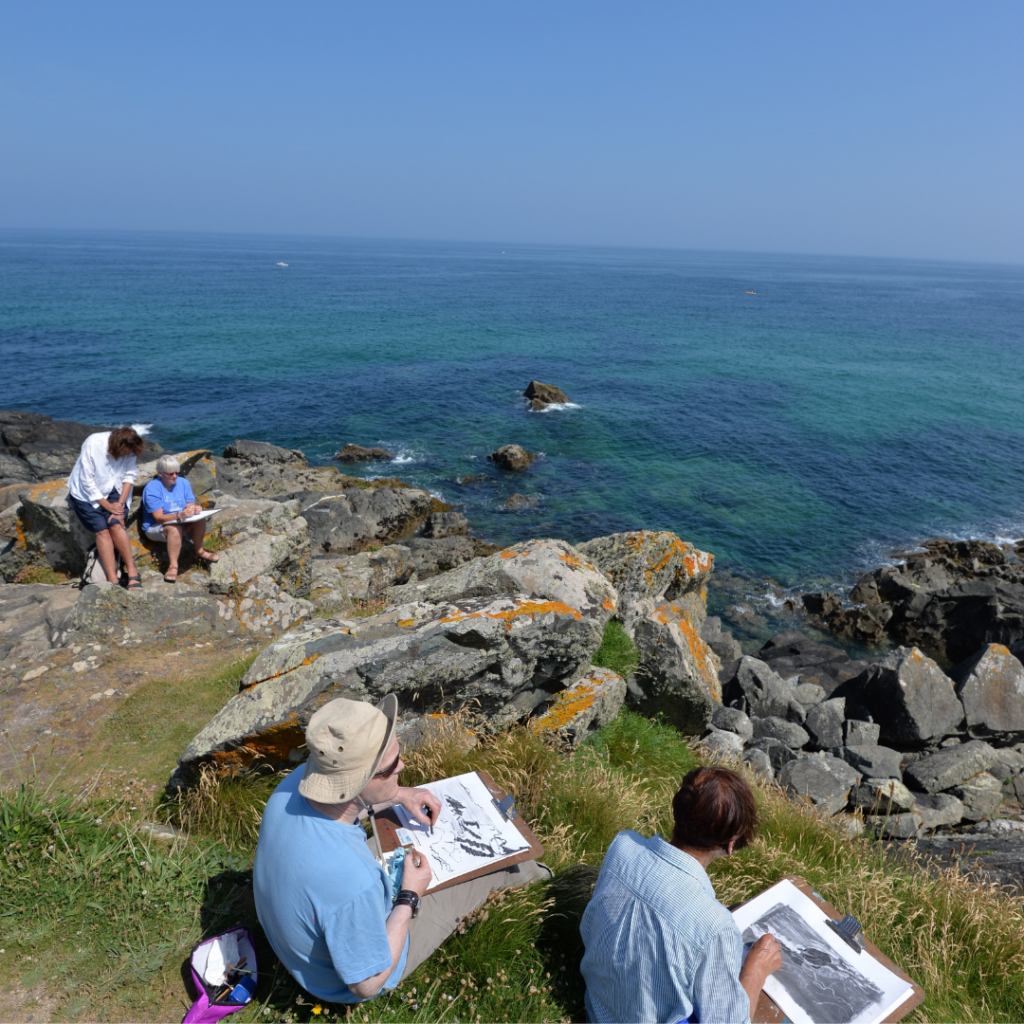
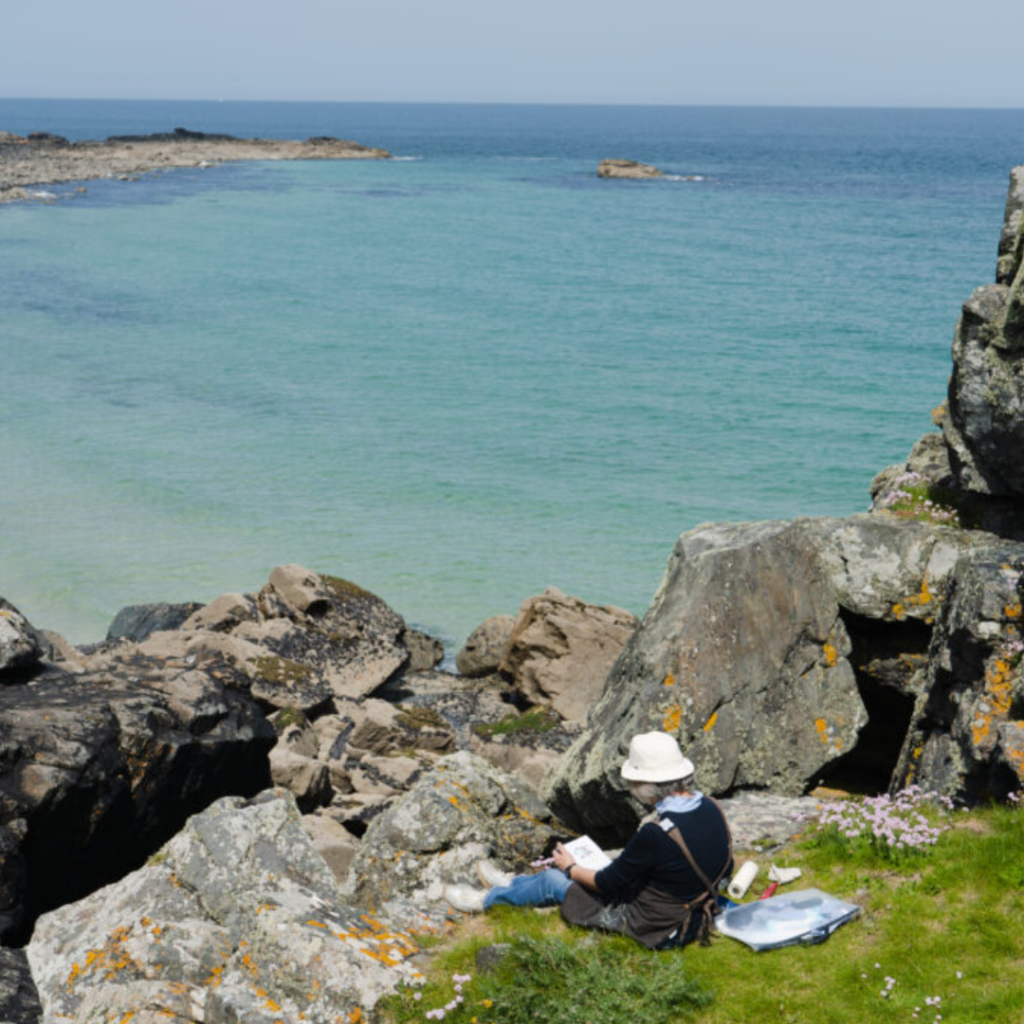
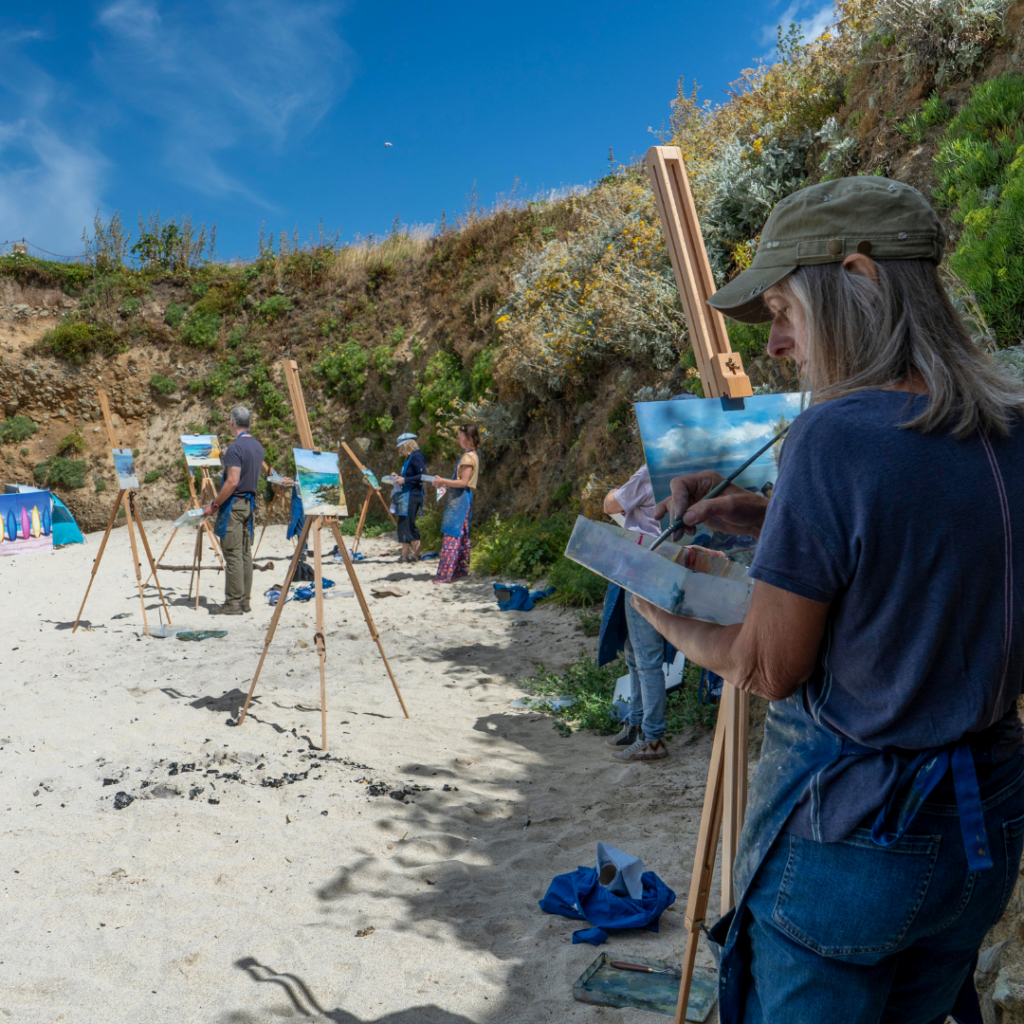
There’s no better time to try out painting coastal landscapes in St Ives than spring. As the colours start to come through across the cliffs, and the light gets brighter, the beaches truly shine; showing off that famous light that some of the worlds most renowned artists moved here for.
“I have gained very great inspiration from the Cornish land- and seascape, the horizontal line of the sea and the quality of light and colour which reminds me of the Mediterranean light and colour which so excites one’s sense of form.”
Our landscape courses throughout spring give you the opportunity to visit St Ives during this peaceful season, whilst exploring the landscapes during their most colourful and vibrant of times.
Essential Techniques for Coastal Landscape Painting
1. Understanding light and atmosphere
St Ives’ unique lighting conditions shift throughout the day, especially along the coastline. The interplay of sunlight on water, misty horizons, and reflections create depth and realism. Paying attention to warm and cool tones can help achieve the desired atmosphere in your painting.
Our online course with artist Andrew Barrowman, Window into Plein Air, gives you all the tips and techniques for working outdoors, and invaluable information which will help you respond to a view.
2. Capturing movement
Unlike static landscapes, the sea is constantly moving. Waves, tides, and ripples add life to a painting. Using fluid brushstrokes, and layering can help depict motion effectively.
Our range of studio and online courses seascape courses will give you all the tools you need to be able to capture that fleeting moment when a wave crashes on the shore.
3. Mastering a colour palette
The colours of a coastal scene can vary significantly depending on the weather, time of day, and location. A well-thought-out palette with shades of blue, green, sandy neutrals, and warm sunlit tones can bring authenticity to your work. Window in Plein Air will also arm you with the tools and a plan for setting up your workspace outdoors.
4. Composition and perspective
Strong composition is key to creating a compelling coastal landscape painting. Elements like rocky formations, boats, lighthouses, or distant cliffs can serve as focal points. The use of linear and atmospheric perspective helps create depth, making distant elements appear softer and lighter in tone.
Our studio course, The Minimalist Landscape with artist Tom Rickman, aims to give you an understanding of better economy and reduction of form and composition.
Choosing Your Medium
Different mediums offer unique advantages for coastal painting:
- Oil Paints: Provide rich colours, excellent blending abilities, and longevity.
- Watercolours: Perfect for capturing the translucency of water and soft atmospheric effects.
- Acrylics: Quick-drying and versatile, allowing for both bold and delicate strokes.
- Pastels: Great for capturing texture and the vibrancy of coastal scenery.
Finding inspiration
We truly believe the best way to find inspiration is by being in the landscapes themselves and immersing yourself in nature.
During our courses, you will visit these iconic locations, sketch on-site and take reference photos that you can bring back to our historic studios overlooking the beach, before developing your sketches into paintings that capture the essence of the Cornish coastal landscapes.
Browse all our studio and online landscape and seascape courses here: schoolofpainting.co.uk/art-courses
20/3/2025
Share on
Related Stories
Your Monthly Roundup: May
A monthly round up of the latest news, insights and events. Sign up to our newsletter to receive this update straight to your inbox!
Where to go in West Cornwall | Tourist Guide
West Cornwall offers a unique blend of art, culture, and coastal adventures – making it one of the most inspiring places to visit in the UK. From rich artistic heritage to stunning beaches and vibrant events, there’s always something for everyone to enjoy. Whether you’re joining us for a workshop or looking for ideas to keep a partner or...
Your Monthly Roundup: December
A monthly round up of the latest news, insights and events. Sign up to our newsletter to receive this update straight to your inbox!