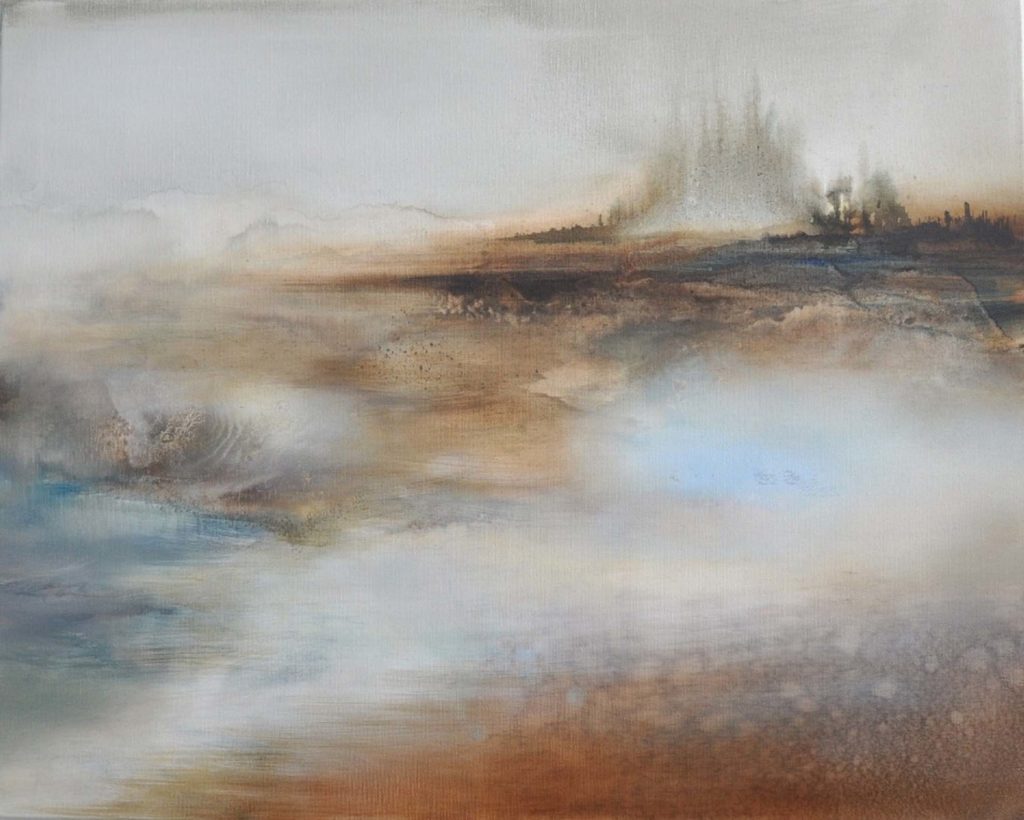
Experimental Shoreline
Acrylic / Oil / Abstract / Landscape - Materials included
We haven’t scheduled this course yet. Please email us to register your interest for future availability.
Register InterestCourse details
Capture the ever changing space where the land meets the sea, where water washes over dark rocks and the tide draws in and out using both acrylics and oils.
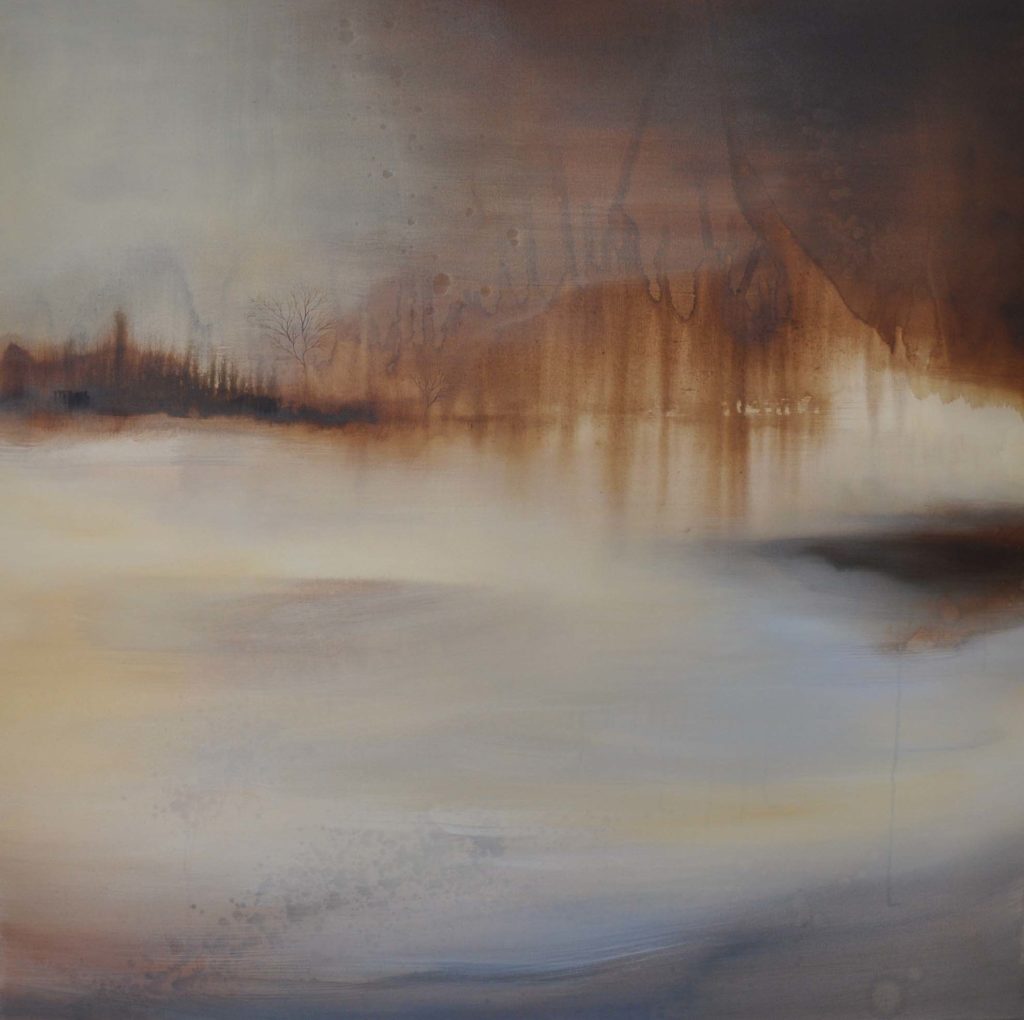
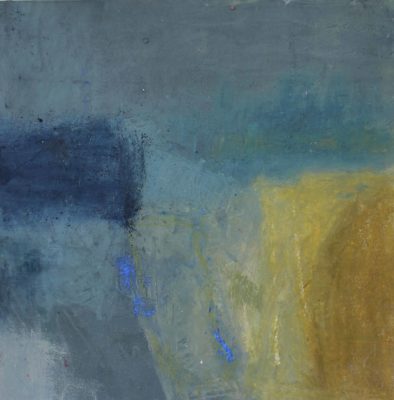
How do you capture the essence of the coast; the energy, tension and mystery of two elements meeting? This course teaches you to build free, abstract landscape paintings with sweeping marks and shadowy layers that echo the movement of water over land.
Artist tutor Amy Albright divulges her unique tips and techniques for creating layers of interest. Using both water and oil-based media, these work to build the ethereal sense of the coastline.
Spend time making notes and sketches by the water, absorbed in the constant motion of tumbling waves, fizzing tides and rivers trickling back to the sea. These studies will bring richness and power to your paintings later.
The course introduces you to abstraction in a unique way, using it to evoke both serene calm and intense energy. Look more closely at colour mixing. Learn to build up layers, working wet on wet, adding luminosity and revealing and adding to subsequent layers of paint.
Amy shows you how to create harmony between deeper layers inspired by jagged rocks and glassy glazes that diffuse light on the surface. Oil glazing was particularly favoured by Dutch masters, who used the technique to bring a milky translucence to the skin of portraiture subjects. Amy demonstrates how to use glazing to create the liquid skin of sea lapping the shore.
Full of discovery and revelation, this course presents unique processes and perspective. Capture the entrancing energy of the shoreline with truly inspiring teaching in a spectacular setting.
Day to day plan
This is a rough indication of what to expect over the course. However sometimes the structure of the days may alter depending on the nature of the group and weather.
Day 1
After introducing you to the course, we will take our sketchbooks outside to observe the shore and coastlines. Amy will guide you with some drawing techniques to help loosen up your mark-making.
Back in the studio we will begin creating interesting base layers using expressive painterly techniques, incorporating inks and acrylics with unconventional mark making tools.
Day 2
Spend time looking more closely at colour mixing, particularly using combinations appropriate to our subject – the shoreline. Look at tone, temperature and subtle colour mixing using water based paints.
Later we will then work with oil paints to add glazes, learning to create thin layers of paint to build luminosity and depth. We’ll combine all that we’ve learned and work on a variety of surfaces to start creating multiple pieces.
What will I learn?
- Learn to create exciting experimental paintings that build layers of interest.
- An opportunity to build your confidence using oils, loosen up and widen your painting repertoire.
- Tips on loosening up when drawing the coast, including new techniques to make drawing fun and expressive.
- Learn how to use abstraction when working with landscape to create a painting full of depth and intrigue.
- Technical knowledge of colour mixing to evoke subtle changes in tone and temperature.
Who would this course suit?
If you’re wondering if this course is for you, have a look at Amy’s own work – either on her tutor page or her own website. If you’d like to gain technical insight into combining materials to create intriguing effects, as well as how to have more control in your colour mixing, this course is a wonderful place to learn. It is a fun opportunity for painters interested in the coastline to engage with it in a free and experimental way.
Taught by
What to Bring
Our studios are fully equipped and we provide you with all the materials you need for your course. However, if you have a favourite set of brushes or any specialist materials that you would prefer to use, please bring them with you.
Our studios are fully equipped and we provide you with all the materials you need for your course. However, if you have a favourite set of brushes or any specialist materials that you would prefer to use, please bring them with you.
Timings and Breaks
The first day starts at 10am and finishes at 4.30pm, please aim to arrive ten to fifteen minutes before the start time.
All course days after that start at 9.30am and end at 4pm. There are plenty of nearby places to eat and we will serve tea and coffee at break times during the day.
The first day starts at 10am and finishes at 4.30pm, please aim to arrive ten to fifteen minutes before the start time.
All course days after that start at 9.30am and finish at 4pm and there will be an hour for lunch. There are plenty of nearby places to eat and we will serve tea and coffee at break times during the day.
What our students say
Course was full of exciting new techniques – taught in a relaxed way with plenty of ,materials to work with and on.
Amy is a very effective tutor who gave us students great tips on tools to work with.
I learnt lots of new techniques whilst having the freedom to experiment in my own style.
FAQs
You might also like...
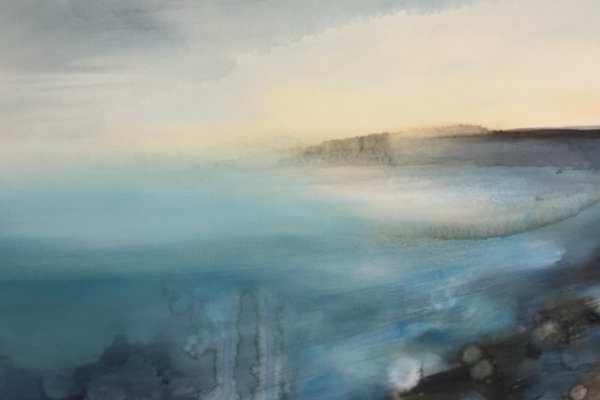
Expressive Painting in the Elements
Mon 12 - Wed 14 Oct - 3 days
Amy Albright
Explore expressionist painting in the elements with artist Amy Albright as you immerse yourself in the Cornish landscape to sketch and paint with playfulness and emotion.
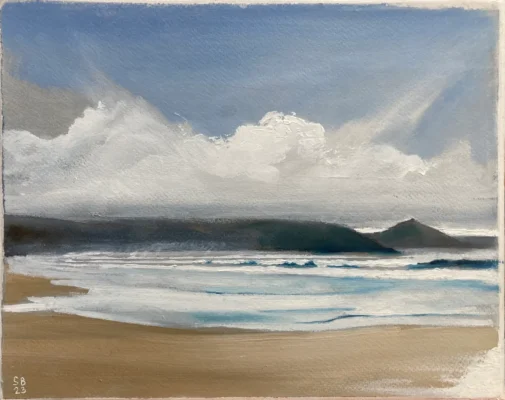
Oil Painting Essentials
Thu 30 Jul - 1 day
Steven Buckler
Have you always wanted to try painting with oils but not sure where to start, which materials to buy and what to paint? In this short course artist Steven Buckler will help you to de-mystify the art of oil painting.
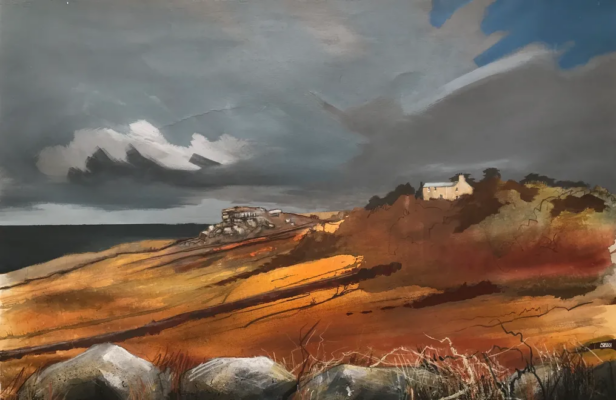
Ink, Paint + Paper
Steven Buckler
Learn how to create atmospheric art works on paper, in response to the wild landscape above Zennor, using acrylic inks and paint.
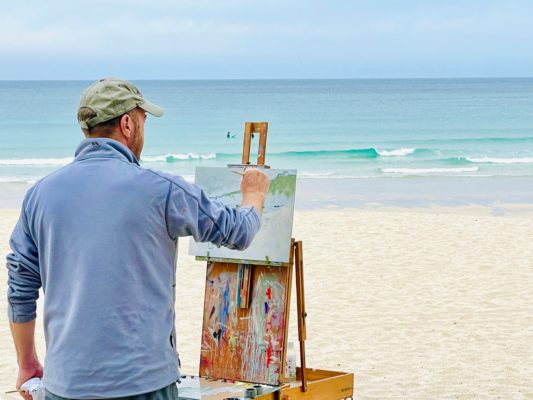
Window into Plein Air
Andrew Barrowman
Have you ever wanted to paint outside but unsure where to start? Delve into the practice of oil painting en plein air inspired by the remarkable Cornish landscape.
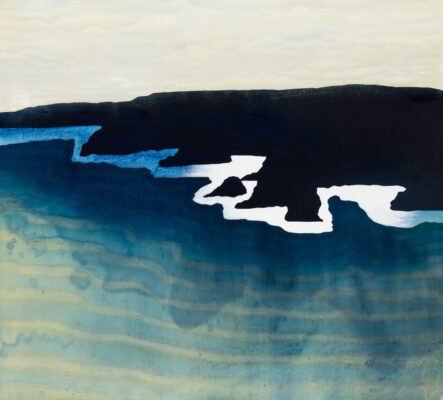
Contemporary Landscape
Mon 7 - Wed 9 Sep - 3 days
Kerry Harding
Learn to use diverse techniques and innovative painting exercises to explore your own personal approach to landscape painting today. We will look at a range of contemporary landscape painters and how they use paint to explore their individuality within this genre.
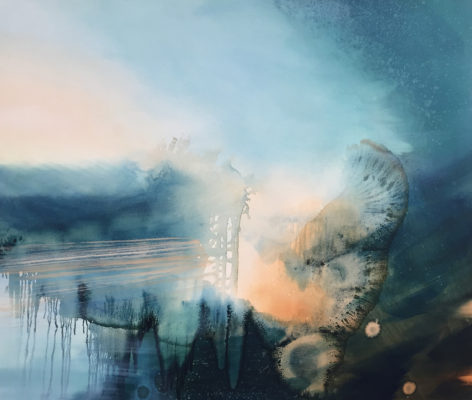
Beyond the Brush: Experimental Abstraction
Tue 22 Sep - 3 hour(s)
Amy Albright
Amy Albright will lead this half-day workshop, helping you experiment with playful techniques and tools to create expressive abstract acrylic paintings.
Line, Texture, Tone - Coldwax Painting
Laura Menzies
Enjoy creating luminous abstract paintings using coldwax painting. Learn how these three fundamental aspects - texture, line and shape - can help develop your unique visual vocabulary.