The Health Benefits of Life Drawing
St Ives School of Painting’s weekly life drawing classes have become something of an institution over the past 40 years. The sessions have been host to names like Wilhelmina Barns-Graham, Patrick Heron and Sir Terry Frost. “We young painters used to go to the painting school,” recalls Frost, “it was the cheapest way we could get a model. We were some of the early pupils that went along to draw.”
Life drawing has slipped in and out of vogue in recent decades, but as public attention shifts to the importance of mental health and wellbeing, it is enjoying something of a resurgence. A recent study by the BBC and Newcastle University compared memory and cognition in a group of 30 adults: they asked 10 to walk briskly, 10 to do puzzles such as crosswords and sudoku and 10 to attend life drawing classes. The experiment took place over 8 weeks, with a series of tests carried out across the volunteers at the beginning of the study and at the end. The life drawers, it turned out, showed significant improvement in memory and cognitive function following the experiment.
The importance of drawing for creating a connection between our minds and the world around us should not be underestimated: “It is time for us to place greater value on drawings and draughtsmanship,” says David Hockney, a man who should know, “Practically everything comes to life on a drawing board – there is a diagrammatic aspect to it.” It’s true: drawing is a way for us to communicate where words fail, for working things out, documenting and recording our lives.
But, cognitively speaking, could there be more to it than that? “Learning something new,” says Clinical Psychologist Daniel Collerton, “engages the brain in ways that seem to be key. Your brain changes in response, no matter how many years you have behind you.” This, along with the enhanced psychomotor skills drawing provides, perhaps explains the explosive success of Art as Prescription campaigns. Arts Council reported that engaging with art was keeping more and more people off medication and out of the doctor’s office, relieving strain on health services and lowering stress, anxiety and depression in patients.
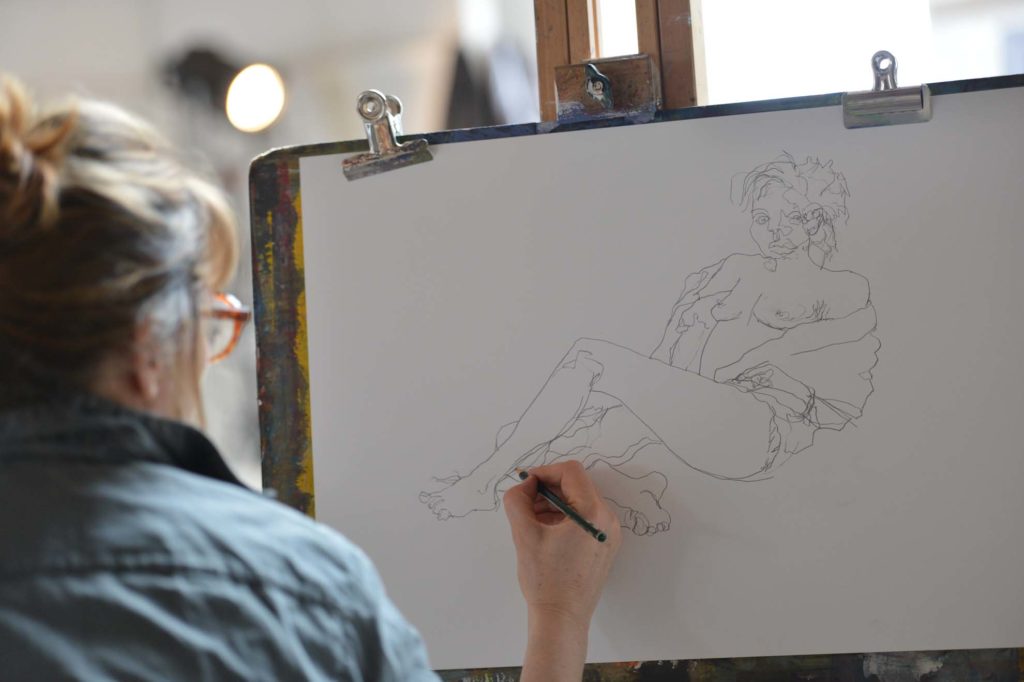
Speaking to the regulars at St Ives School of Painting’s life classes, many of them describe the calm that descends over them in the studio, a feeling of complete focus: “It makes me happy,” says Julie, “it’s a chance to think about nothing else and gives me a sense of achievement.” Drawing means allowing ourselves to try something new; weathering the obstacles that come our way; silencing our inner critic when things don’t go right and – of course – enjoying the sweet satisfaction when they do. So, maybe it’s time we all went back to the drawing board, why don’t you give it a go?
St Ives School of Painting runs weekly life drawing classes every Thursday evening and Saturday mornings. Beginners are very welcome. Click below for more information.
It feels like a privilege to be part of the
St Ives art culture – I feel more at home in the life room than
in my own lounge!
– Brad Dillon
6/1/2020
Share on
Related Stories
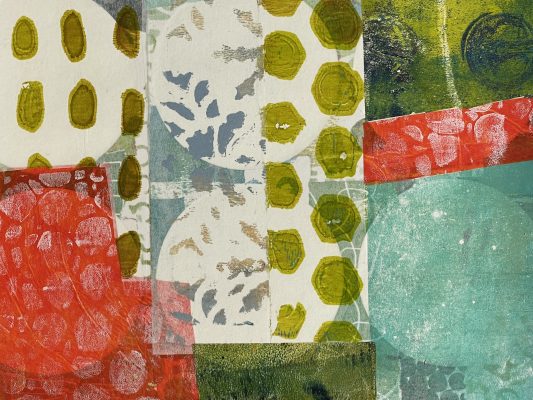
The Rise of Gelli Printing: Why This Playful Printmaking Technique Is Everywhere
In recent years, Gelli Printing has surged in popularity across the creative world. From professional artists and illustrators to hobbyists, teachers, and journalers, more people than ever are discovering the joy of this accessible and experimental form of printmaking. Scroll through social media or wander into a modern art studio, and chances are you’ll spot...

The best things to do in St Ives | Tourist Guide
Your guide on things to do in St Ives, from boat trips to life drawing.
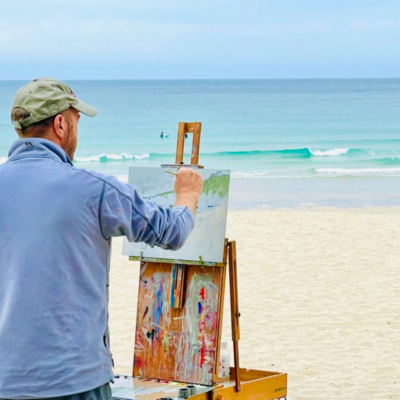
From Coast to Canvas: How to Capture St Ives in Spring
There’s no doubt that artist’s have long been drawn to the challenge of painting coastal landscapes. Evoking a range of emotions, from the tranquillity of a calm beach at sunset, to the power of the waves crashing against the cliffs or rocks; there is something inherently mesmerising about the meeting of land and sea. Here...