In the Age of AI, Why Make Art by Hand?
We are no strangers to the development of AI and its growing ability to create an image in seconds, responding almost instantly to a brief. But as AI becomes increasingly present in the visual world, are we beginning to crave work that feels recognisably human?
From helping beginners understand unfamiliar terminology and suggesting useful exercises, to supporting working artists as they research new places or compare historical artworks, there is no doubt that technology has its advantages. However, when you think back to a time when you felt the urge to make something, whether as a child or later in life, it was probably not the finished painting you were seeking. Often, what we crave is the chance to slow down, observe more closely, make conscious decisions and take our minds away from everyday life.
So, in an age of instant image generation, why is it still important to make art by hand, whether through drawing, painting, collage or printmaking?
Observation versus instant image generation
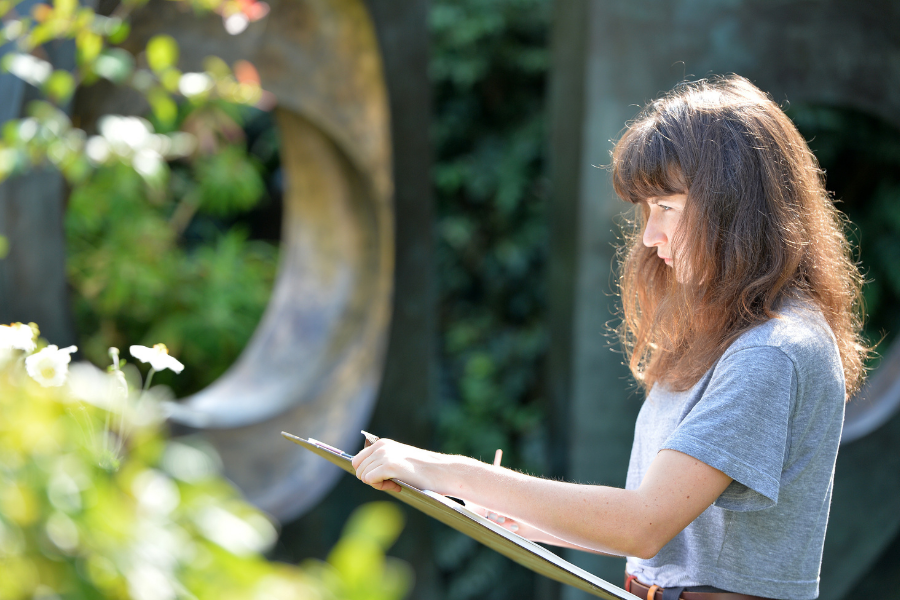
AI can produce an image in seconds, but making an image is not the same as learning how to see. When you draw or paint from observation, you have to slow down, notice relationships and make decisions. Whether that’s where the light falls, how one colour changes beside another, which details matter and which can be left out.
The value lies in that sustained attention. The finished artwork becomes a record of what you noticed, rather than just a visual result. The risk is that instant image generation makes us more focused on the outcome – rather the overall experience of observing and then creating something personal to you – something shaped by your eye and the details only you chose to notice.
Why mistakes and changes of mind matter in art
When we look closely at a piece of art, whether our own or someone else’s, we can often see where changes have occurred along the way – lines that have moved, colours painted over and ideas abandoned halfway through. Ask an artist whether they created the final piece in one go, without pausing or changing their mind, and they will usually admit that many different decisions and iterations took place along the way. This is part of how an artist responds to what is unfolding in front of them.
AI-generated images tend to hide this process. The user may revise the prompt several times, but the final image does not visibly carry the same history of uncertainty and adjustment. In handmade work, mistakes can lead somewhere unexpected and help you uncover what you really wanted to say, even when you did not realise it at the outset.
The unknown is a fundamental part of making art. It is where curiosity and instinct enter the process, and it is something worth treasuring rather than trying to eliminate.
Why personal experience gives artwork meaning
AI can imitate visual styles and combine familiar imagery, but it has not stood on a particular beach, recalled a childhood memory, felt nervous before beginning a painting or watched the light change over the course of an hour. As people, we bring observation, emotion, memory and personal choice to a subject.
Two people can look at the same landscape and create entirely different pieces of work because neither is responding only to its physical appearance. Each person notices something different and brings their own experiences and mood to what they see.
We can sometimes worry that returning to the same subjects means our work is not original. Often, though, we are drawn back to certain places or objects because they hold a particular meaning for us. Originality does not have to come from finding a subject that nobody else has explored before. It can come from responding honestly to how that subject makes you feel on a particular day, at a particular moment in your life.
By paying attention to those changing responses, you can return to the same subject many times and create something different each time.
How can artists use AI without replacing their own ideas?
Technology can be genuinely useful. Artists can organise photographs, explore compositions, research unfamiliar places, compare historical artworks, test colour combinations or find reference material that would otherwise be inaccessible. AI may also help someone visualise an initial possibility.
The difficulty comes when a reference begins to act as a set of instructions rather than a starting point. A generated image may already have made decisions about composition, lighting, mood and style before the artist has had the opportunity to develop their own response.
Rather than using AI to avoid investigation, we can use technology to support it. The important question is whether it is helping you explore an idea or making the most meaningful creative decisions on your behalf.
Used thoughtfully, technology can benefit the process in several ways:
- Use references for factual information, while making your own decisions about mood, atmosphere and meaning.
- Combine visual research with your own sketches, memories and direct observation.
- Use it to overcome a practical barrier, such as being unable to access a particular location, model or object in person.
- Allow it to prompt experimentation by offering unexpected starting points that you can reinterpret through drawing, painting, collage or printmaking.
The aim is not necessarily to avoid technology altogether, but to remain aware of where your own observation and personal experience enter the work.
How can you tell whether art is AI-generated?
AI-generated art has also raised difficult questions for buyers. When purchasing a print, illustration or digital artwork, it may not always be obvious whether it has been drawn or painted by the person selling it, created partly with AI, or generated entirely from a written prompt.
The issue is not necessarily that AI has been used, but whether the buyer is being told clearly and honestly. Someone may believe they are purchasing an original piece, created with an artist’s skill, through experience and hours of work, when they are actually buying an image that was produced in seconds and reproduced many times. Without transparency, it becomes difficult to judge what the work is worth, how original it really is or who should receive credit.
There is also a risk that AI-generated images imitate existing artists too closely. Generative tools are trained on huge collections of visual material, often including work made by practising artists. A generated image may borrow recognisable qualities from someone’s style, composition or subject matter without their permission or without the buyer knowing where those influences have come from.
For emerging artists in particular, this can be worrying. They may find images that resemble their work being sold cheaply online, while the time and personal experience behind the original work are overlooked. Buyers may also unwittingly support a seller who is copying another artist’s ideas or falsely presenting generated imagery as handmade.
What to look out for
Before buying, it may be worth asking how the work was made, whether AI played a role, whether the edition is limited and whether the seller can explain their process. Genuine artists are usually able to talk about their materials, influences, and development of the work.
The aim is not to encourage suspicion around every digital artwork. It is to make the case for openness. Buyers deserve to understand what they are purchasing, and artists deserve recognition for the ideas, skill and lived experience that make their work their own.
Many of our art courses are built around these same fundamentals – developing practical skills, learning to look more closely and becoming more confident in responding to what you see. That might mean studying a still life in the studio, observing changing light across the landscape or noticing the shapes, colours and details you might otherwise pass by.
Explore our upcoming courses in St Ives or discover our online art courses, designed to help you strengthen your observational skills and develop a more personal way of seeing.
28/7/2026
Share on
Related Stories
How to Choose the Right Online Oil Painting Course for You
With the rise of online learning, we now have access to a wealth of oil painting courses at our fingertips. Whether you’re a complete beginner or looking to refine your skills, choosing the right course can make all the difference. But with so many options available, how do you know which is best suited for...
How to Create a Colour Beginning
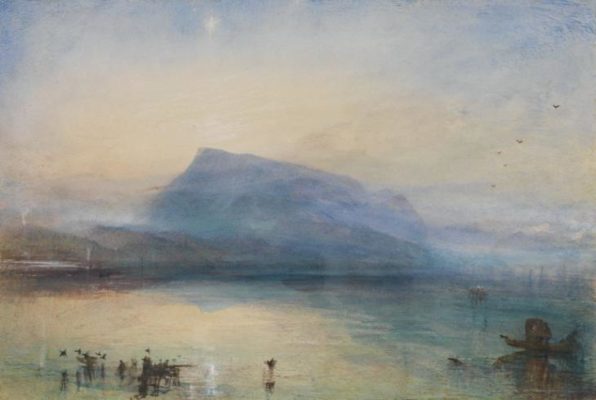
As seen in… A Fresh Start JMW Turner expert Hilary Gibson reveals how ‘colour beginnings’ formed the basis of the artist’s greatest oil paintings and shows you how to create one at home. During my career as an illustrator and art tutor, JMW Turner’s draughtsmanship and ‘colour beginnings’ have been a constant joy and inspiration....
'Images of Downlong - 1880s-to the present day'
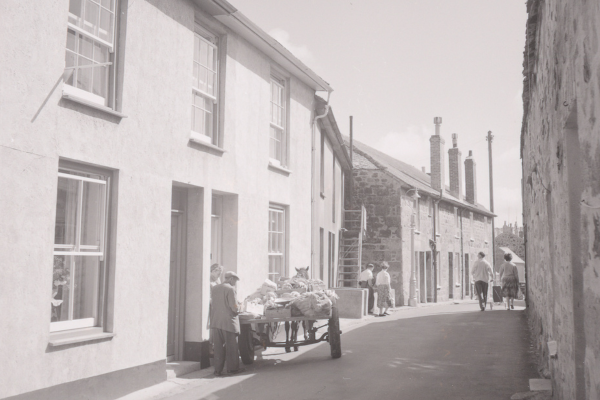
We are pleased to share an exclusive talk and Q&A with Janet Axten and a panel of local artists, including Hilary Jean Gibson, artist tutor at St Ives School of Painting, as they discuss why comparatively few artists have chosen to paint Downlong, one of the most historic parts of St Ives. ‘Images of Downlong...