In Conversation: Louise Rainbow
For artist Louise Rainbow, teaching is about helping people recognise the possibilities in their own work. She finds it especially rewarding to see students grow in confidence, experiment more freely and develop an artistic voice of their own.
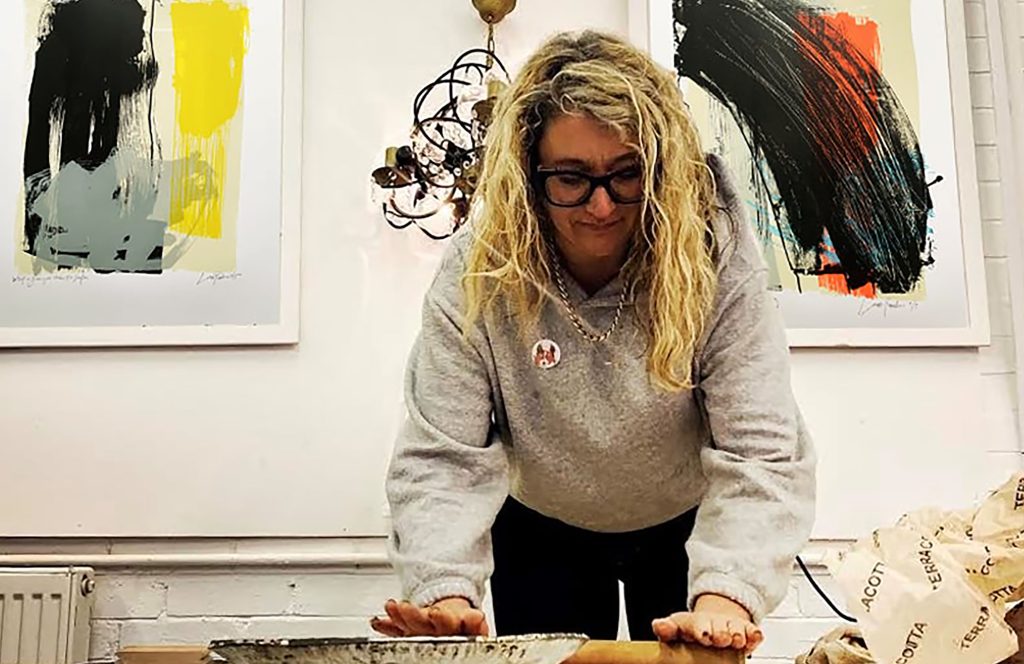
A practising artist working across painting, printmaking and ceramics, Louise explores colour, landscape, memory and observation. Her approach to teaching is influenced by the same curiosity and experimentation that inform her studio practice. In our Q&A, she shares more about her work, her teaching and what inspires her.
In 2027, Louise Rainbow will bring her tuition to St Ives School of Painting for the first time, through her courses, Expressive Florals and Colour + Abstraction: Inspired by Patrick Heron.
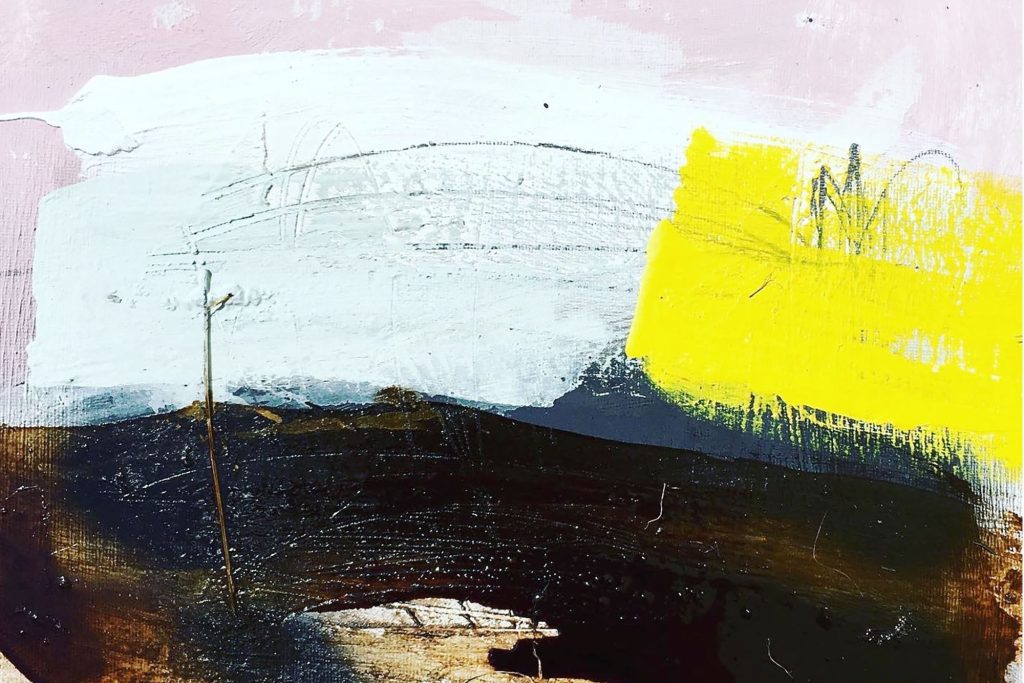
Your practice moves between painting, printmaking and ceramics. What does
each medium allow you to express that the others cannot?
My work reflects a practice rooted in material exploration – a dialogue between surface and depth, solidity and fluidity. Clay, ink, wax and graphite become conduits for responding to shifting horizons, tidal edges and weather-worn textures.
Learning for me is a holistic sharing.
Louise Rainbow
Landscape, memory and observation all feed into your work. When you paint, how do you balance what you can see with what you remember or feel about a place?
At its heart, my work is an exploration of threshold spaces
between land and water, control and surrender, concealment and revelation.
It is an invitation to pause at the edge, to look closely, and to experience the quiet yet powerful exchanges that occur where elements converge.
You sometimes conceal and reveal layers of wax and paint. What interests you about allowing traces of a painting’s history to remain visible?
For me art is a physical and immersive act. Pulling ink through silk screen, pouring slip over clay, drawing with a newly sharpened pencil across a gnarly surface, or concealing and revealing layers of wax and paint – these processes are not merely technical decisions but visceral experiences.
They embody a meeting point between the tangible and intangible, where gesture, pressure and resistance echo the rhythms of the natural world. This embodied relationship with materials directly informs my teaching.
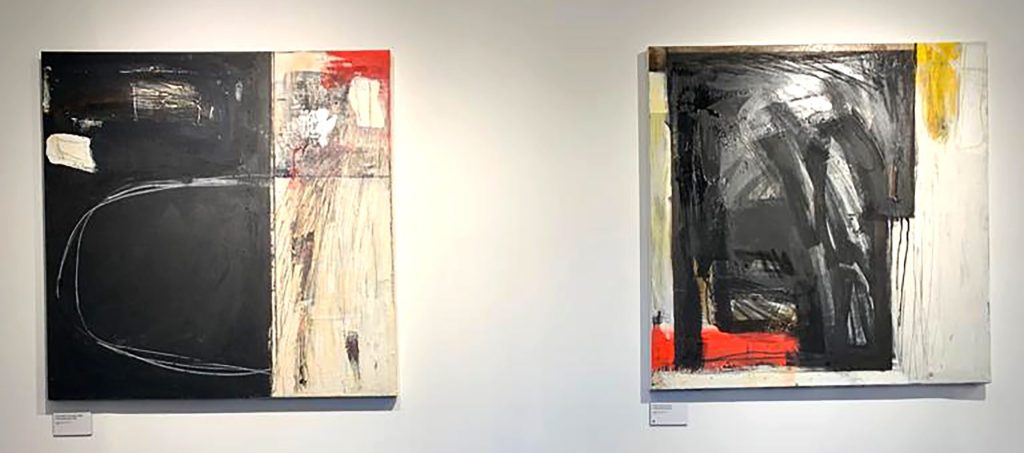
You have taught art for more than 25 years. Has helping other people find their
artistic voice changed the way you understand your own?
Yes, I encourage students to delve deeper into their own practice by exploring the energy behind their marks and decisions.
I invite them to experiment with alternative approaches, and to discover a more personal, instinctive language. I ask them to pull out everything in themselves and ask that of their fellow students and also out of me. Learning for me is a holistic sharing.
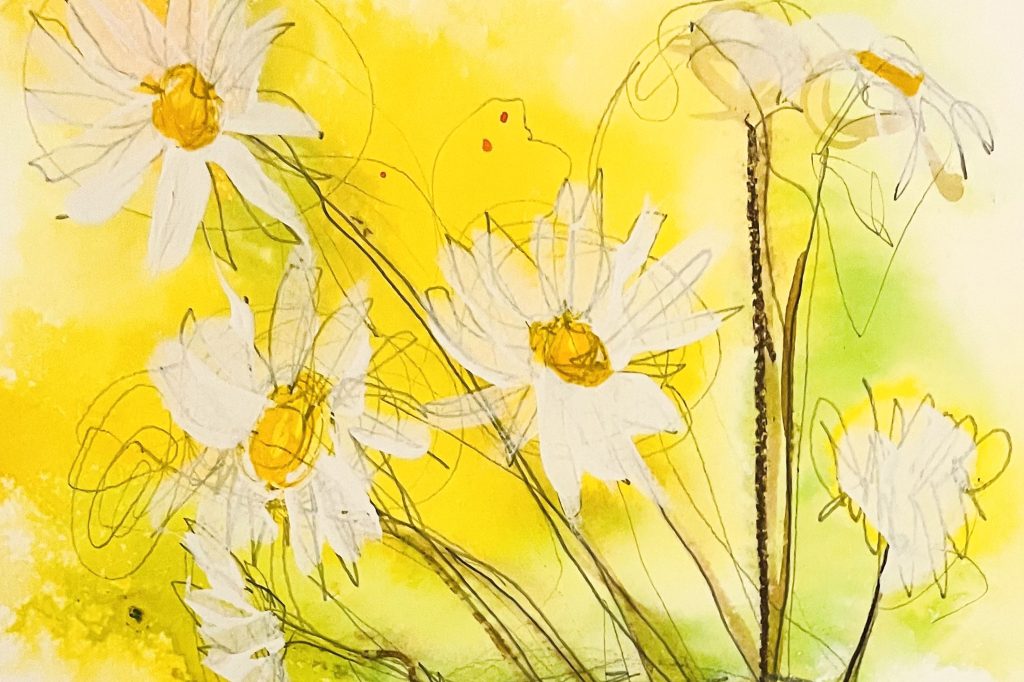
Flowers can encourage careful, botanical painting. How can someone look at the subject without becoming tied to copying every detail?
The essence of a plant or flower can be caught in a single brush stroke but the brushstroke and observation skills may have taken years of practice.
I encourage students to let a painting breathe. Leave it alone, allow it and themselves to rest.
Louise
You encourage students to work across several pieces at once. How does that help someone become less precious and more experimental?
Through still life and close observation of nature and landscape, I invite students to let go and to stretch the parameters of form and composition by seeing rather than just looking.
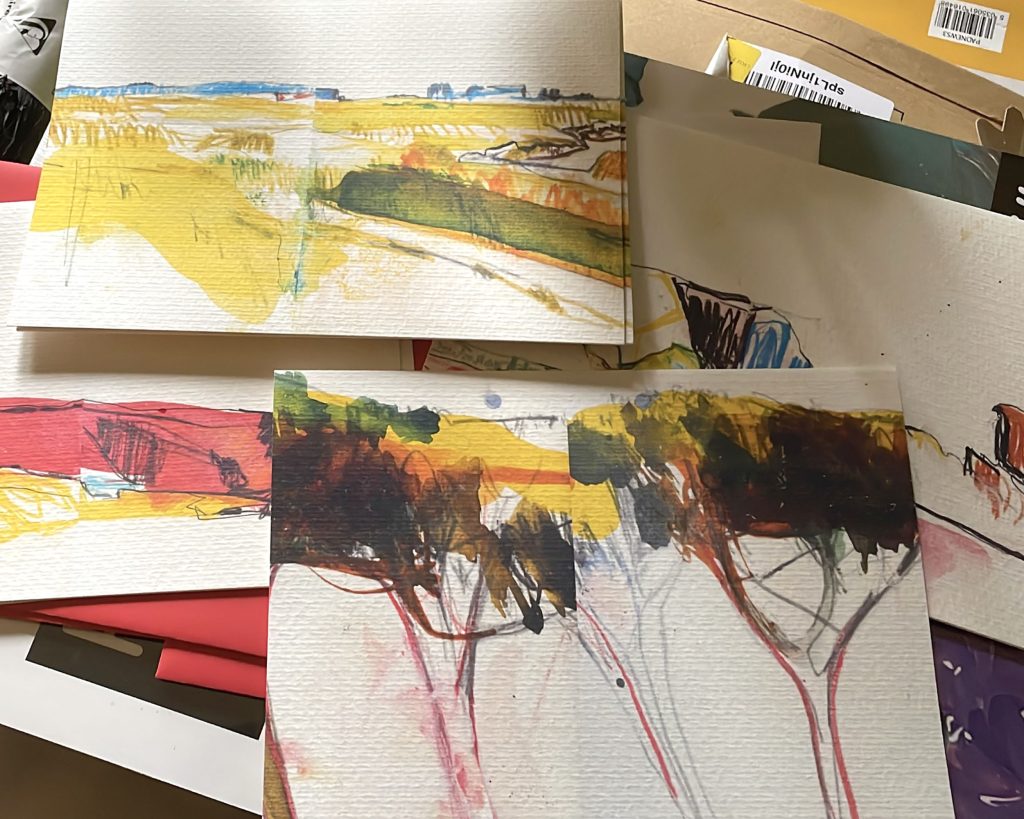
Find your colour palette and then limit it. It opens up worlds of possibilities.
Louise
Heron simplified the landscape into colour and shape while retaining its emotional power. How do you decide what can be removed without losing the feeling of the place?
Energy comes from the artist and it is about knowing when to draw on it and when to rest. I encourage students to let a painting breathe. Leave it alone, allow it and themselves to rest.
I teach about knowing when work is awake or when it is sleeping. Creating a dialogue and a relationship with the painting so you know what it needs.
How can an artist take inspiration from someone as distinctive as Patrick Heron without simply imitating his visual style?
To begin your practice copying is essential in any art form – a recipe, a chair design, a poem and helps you to get you into the groove of the art form and eventually your own voice can be heard and your style will appear.
Heron teaches us to be bold. He takes risks. This approach we must learn ourselves before any paint is mixed. Then the authentic work can begin.
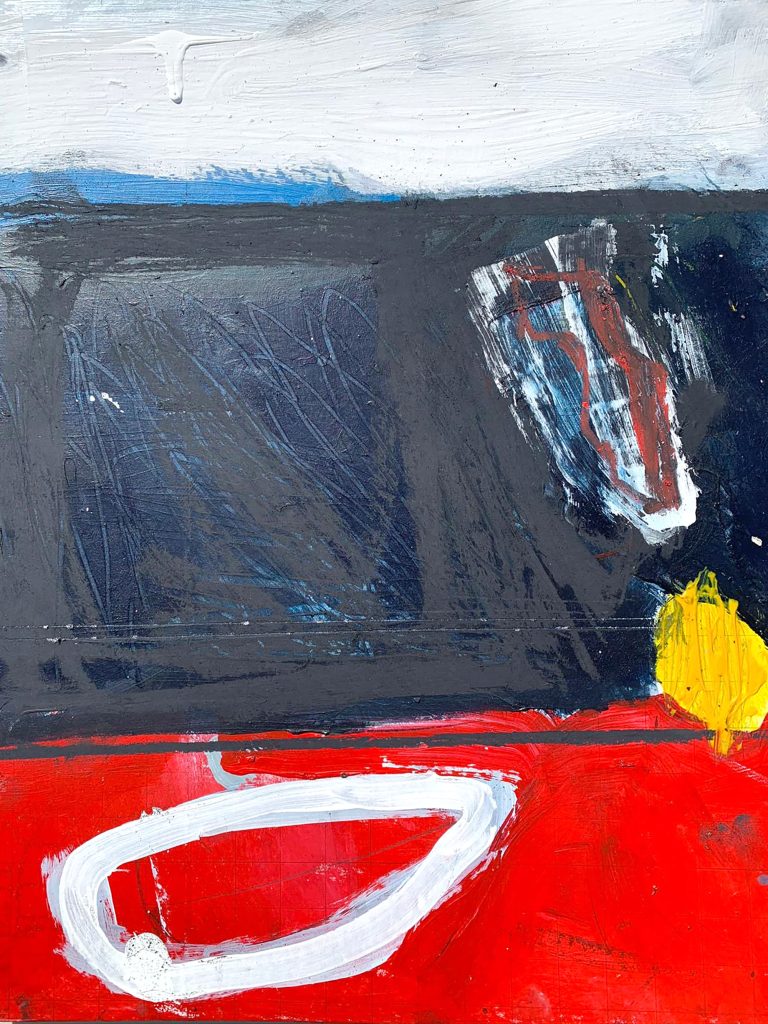
Quickfire with Louise Rainbow
Subject: Flowers or Landscape?
Oooooh, depends on my mood. Flowers call to me. The landscape, I have to go and get. I love them both.
Music or silence while you work?
Music.
A colour you couldn’t do without?
Black.
One artist, past or present, that you would like to share a studio with?
Caravaggio, obvs.
Louise Rainbow teaches Expressive Florals at St Ives School of Painting from 14 – 16 May 2027 and Colour + Abstraction: Inspired by Patrick Heron from 5 – 7 Jul 2027.
Browse all of our Art Courses in Cornwall here.
28/10/2026
Share on
Related Stories
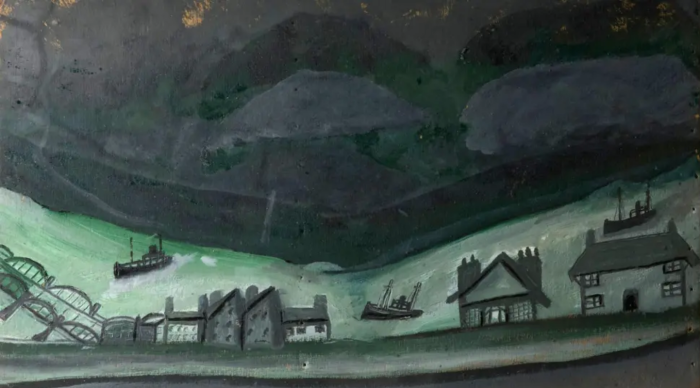
Alfred Wallis: 100 Years On
This August marked 100 years since Alfred Wallis first picked up a paintbrush – beginning a remarkable, self-taught artistic career that continues to resonate across the art world. Read more about his incredible life and career, and discover how his paintings are still being appreciated today. Born on 8 August 1855 in Devonport, Plymouth, Alfred...

Your Monthly Roundup: August
A monthly round up of the latest news, insights and events. Sign up to our newsletter to receive this update straight to your inbox!
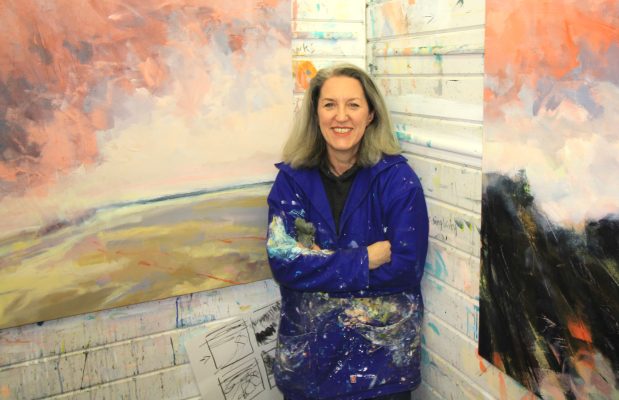
In Conversation: Alison Orchard
Alison Orchard first came to St Ives School of Painting at 14, when she and her mum spent a week painting on the cliffs, sketching the cobbled streets and trying life drawing. Now, returning as a tutor and exhibiting next door at the Penwith Gallery, she describes it as “completing the circle”. After studying sculpture,...