Celebrating the Legacy of Barbara Hepworth
Barbara Hepworth (1903–1975) stands as one of the most celebrated sculptors of the 20th century, a trailblazer who redefined modern art through her innovative use of form, space, and material. Born in Wakefield, England, Hepworth’s artistic journey spanned decades, during which she created an extensive body of work that continues to inspire today.
Hepworth’s art is characterised by her mastery of carving and abstract elegance. She worked with materials such as wood, stone, and bronze, often embracing the natural textures and organic shapes of her mediums. Her sculptures are deeply connected to the landscapes that inspired her, especially those in Cornwall – as soon as she moved to St Ives with her family in 1939, she fell in love with the rugged land between St Ives, Penzance and Lands End.
In 1949, she moved into Trewyn Studios – the place where she would live and work until her death. Now known as Barbara Hepworth’s sculpture garden, and managed by Tate, these studios provided a sanctuary for Hepworth to live and work, writing of them: ‘Finding Trewyn Studio was a sort of magic’.
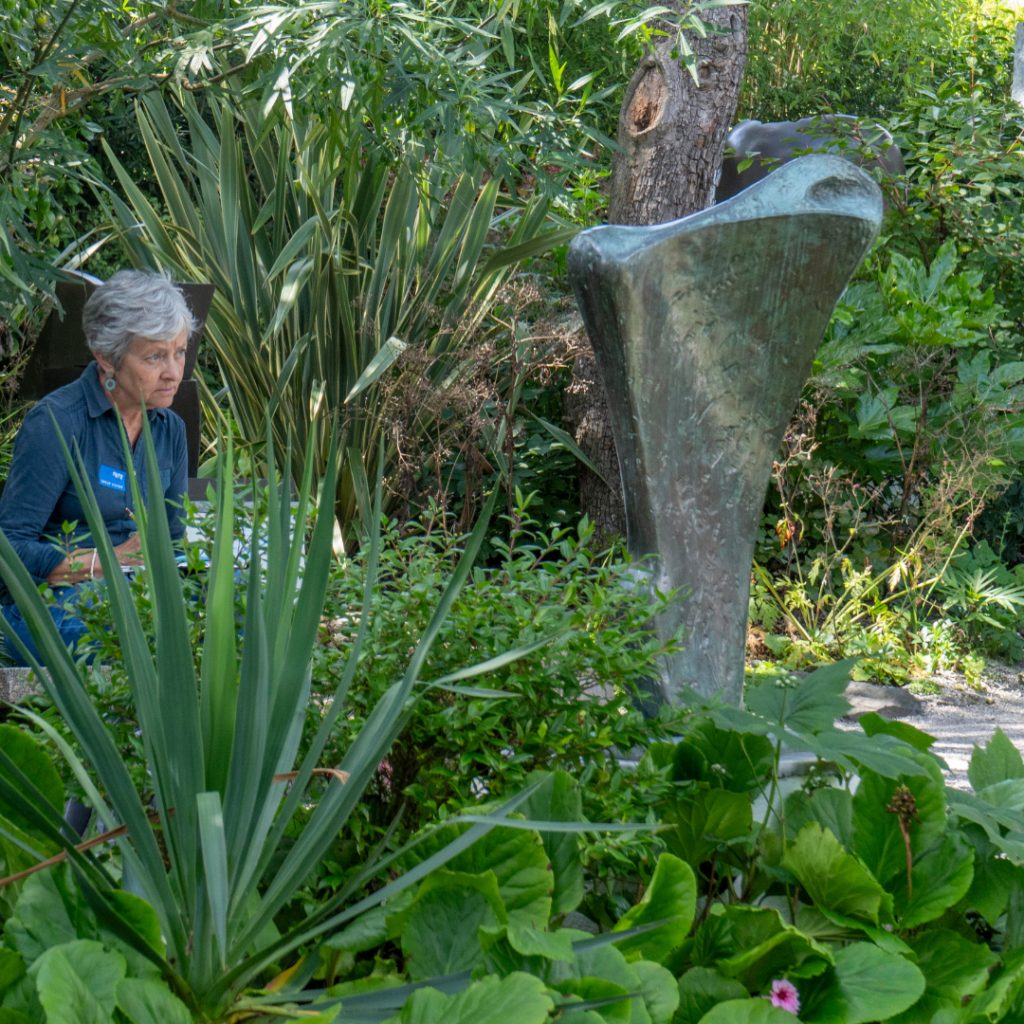
At Trewyn, there was a studio, a yard and a garden where Hepworth could work in ‘open air and space’ The home, garden and studio is now preserved as a museum, and the sculptures are much in the same place they always were. Providing a sanctuary for artists and visitors, Hepworth’s garden is full of impressive sculptural objects amongst leafy green foliage; an ideal spot for sketching.
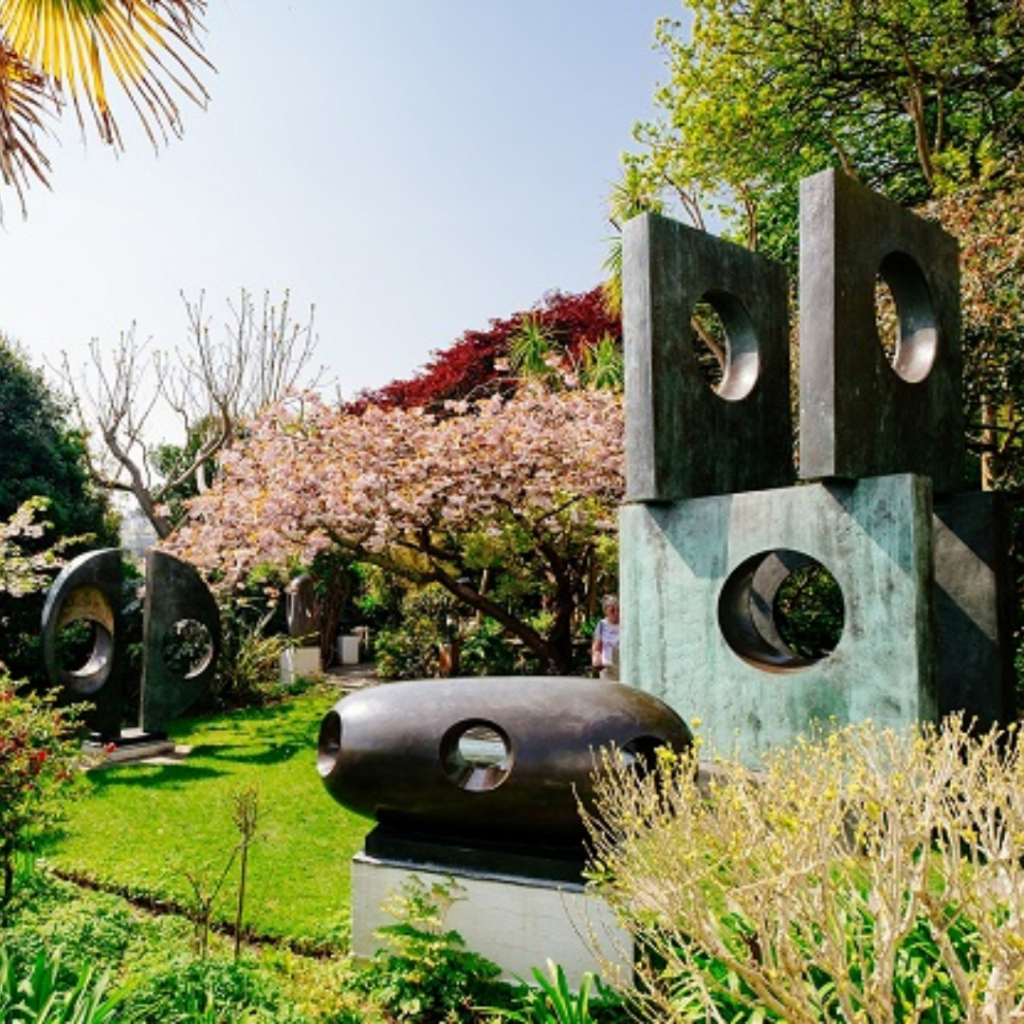
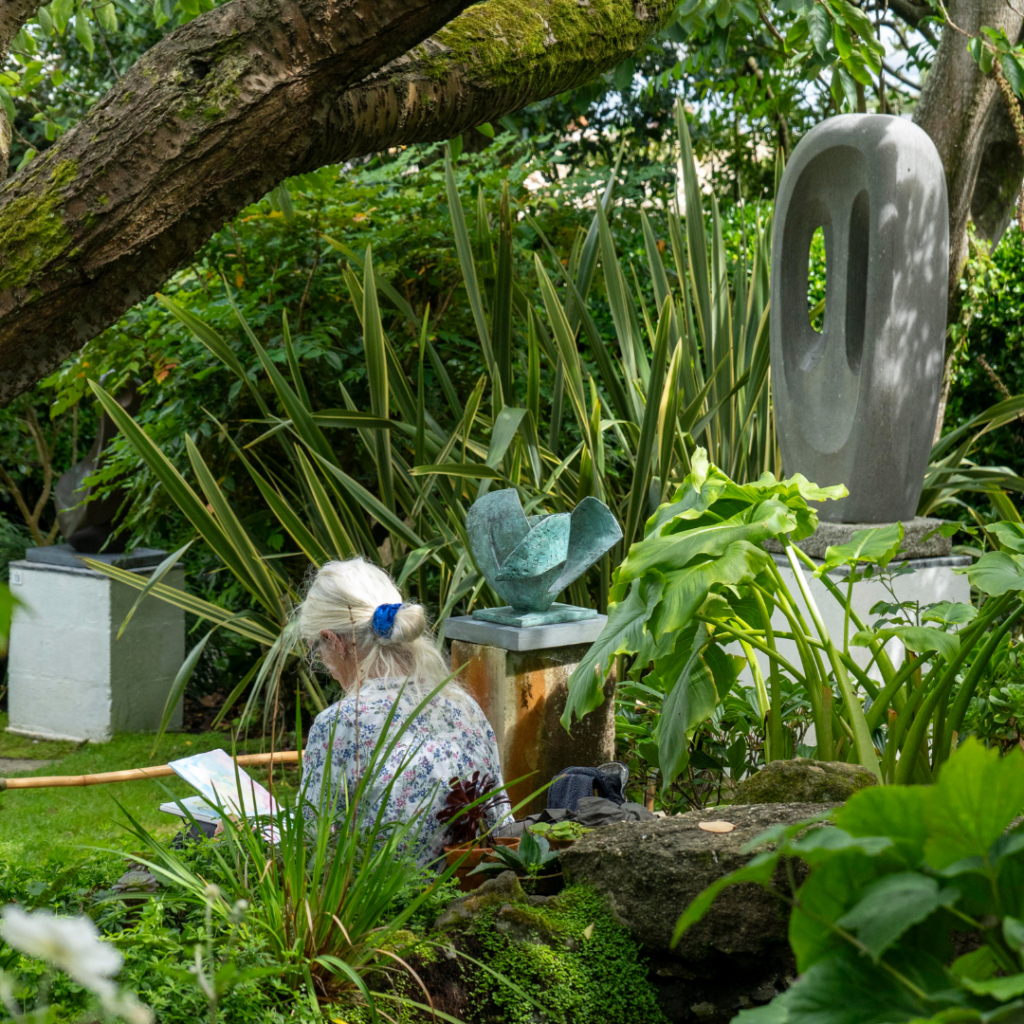
One of Hepworth’s most defining contributions to sculpture was her use of the pierced form—a technique where holes are incorporated into the work to create a dynamic interaction between the solid material and the empty space. This innovation introduced a sense of lightness and openness to her sculptures, allowing viewers to engage with her work from multiple perspectives.
Hepworth was also a contemporary of other leading artists like Henry Moore, yet she forged her own distinct artistic identity. Her work often reflects a profound harmony between humanity, nature, and abstraction. Pieces such as Oval Form (Trezion) and Single Form embody this balance, capturing a universal rhythm that transcends time and place.
“I rarely draw what I see. I draw what I feel in my body.”
Dame Barbara Hepworth
Beyond her artistic achievements, Hepworth’s legacy includes her role as a pioneering woman in a field traditionally dominated by men. She opened doors for future generations of female artists and showed the world the power of perseverance and creative vision.
Today, Hepworth’s works can be found in museums and public spaces worldwide, including the Barbara Hepworth Museum and Sculpture Garden in St Ives, Cornwall and at The Hepworth Wakefield.
On our three day course, you can enjoy spending time in Hepworth’s beautiful sculpture garden, developing a journal of sketches to develop further back in our historic Porthmeor studios. Led by artist Hilary Jean Gibson, this course explores Hepworth’s sculptures through pencil, mixed-media and watercolour. Let Hilary guide you through the historic garden and spend some time gathering information through sketching and note-taking to bring back to the Studio. Find out more.


9/1/2025
Share on
Related Stories
The Wall Street Journal: A Brush With St. Ives
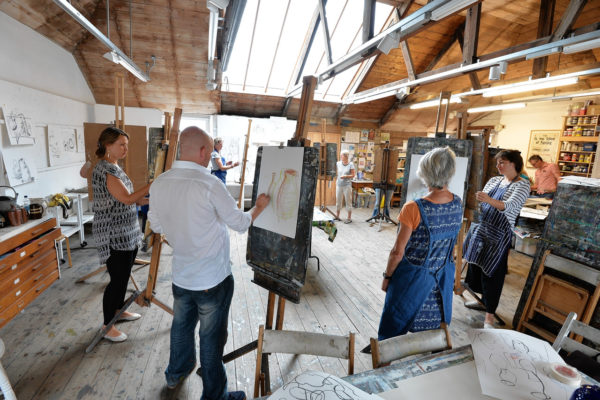
As seen in… Anne-Marie Conway visits St Ives and joins us at the School of Painting to experience art lessons in Cornwall, in our stunning location above the beach during the quieter months. “Tape the paper down on your clipboard, you don’t want it blowing away,” advised our tutor, Liz Luckwell, as she led us out...
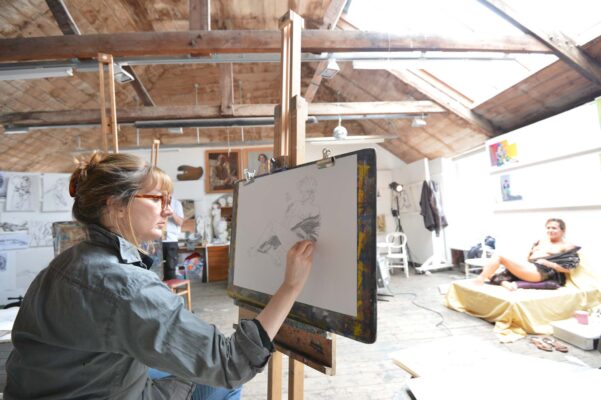
What to expect from a still life drawing class
We are fairly experienced when it comes to life drawing, in fact our weekly regular life drawing classes can be dated back to the early 1970s!
How Art Could Help You Live Longer
5 reasons why staying creative is good for your wellbeing Creativity is often seen as something reserved for artists or professionals, but in reality it’s a vital part of being human. Whether you paint, write, cook, make music, or simply enjoy learning something new, staying creative has powerful benefits for your emotional and physical wellbeing....